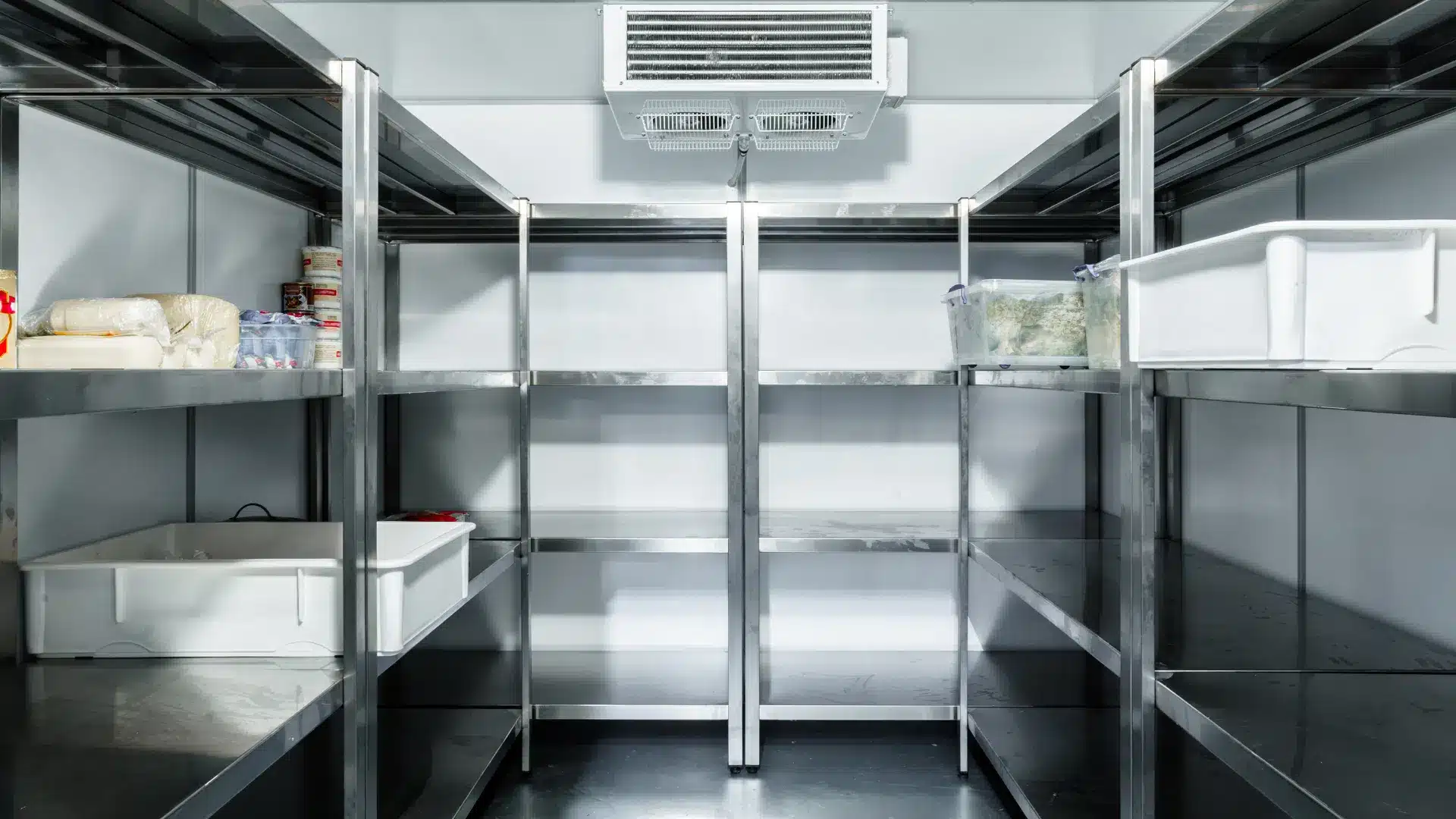
Walk-In Cooler & Freezer Cleaning Services in Dallas
Deep cleaning and sanitization of walk-in coolers and freezers including floors, walls, shelving, and door seals. We remove mold, mildew, and food debris to maintain proper temperatures and extend the life of your refrigeration equipment.
Professional walk-in cooler cleaning services for restaurants in Dallas and surrounding areas. We deliver exceptional results that keep your establishment clean, safe, and ready for operation.
Walk-In Cooler Cleaning Services in Dallas
Walk-in coolers and freezers serve as critical infrastructure for restaurant food safety and inventory management. These environments store thousands of dollars in perishable ingredients while maintaining temperatures that slow bacterial growth. However, the cold, humid conditions inside walk-in units also create unique cleaning challenges requiring specialized professional attention to prevent mold, eliminate odors, and maintain food safety compliance.
The Importance of Professional Walk-In Cooler Cleaning
Walk-in coolers accumulate food debris, spills, condensation, and organic matter despite regular maintenance. These accumulations create several serious problems: mold and bacterial growth that compromise food safety, unpleasant odors affecting ingredient quality, slippery floors creating safety hazards, and reduced cooling efficiency increasing energy costs. In Dallas's hot climate, where cooling systems work continuously, maintaining walk-in cleanliness is essential for operational efficiency.
The Texas Food Establishment Rules specifically address walk-in cooler maintenance requirements, mandating cleanliness standards that prevent contamination of stored foods. Dallas County health inspectors routinely evaluate walk-in conditions during inspections, with violations potentially resulting in corrective action requirements or operational restrictions. Professional cleaning ensures compliance while addressing the maintenance challenges unique to cold storage environments.
Comprehensive Walk-In Cooler Cleaning Process
Complete Inventory Removal and Organization
Professional cleaning begins with careful removal of all stored items. Technicians organize inventory by type and temperature requirements, identifying expired items, damaged packaging, and products requiring rotation. This inventory management step prevents food waste while ensuring proper product handling throughout the cleaning process.
Shelving and Storage System Cleaning
All shelving units, racks, and storage systems are removed or thoroughly cleaned in place. Professional services use cleaning agents effective at low temperatures, removing sticky residues, food debris, and accumulated grime from all surfaces. This includes vertical supports, shelf undersides, and wheels or feet contacting the floor.
Wall, Ceiling, and Floor Deep Cleaning
Walk-in interiors receive complete cleaning including walls, ceilings, and floors. Special attention addresses corner areas where condensation accumulates and mold commonly develops. Floor drains—which can harbor bacteria and produce odors—are thoroughly cleaned and sanitized. Technicians use equipment and products specifically formulated for cold environment application.
Door and Gasket Maintenance
Walk-in doors and gaskets receive detailed cleaning and inspection. Gaskets are cleaned, conditioned, and checked for damage that could compromise the seal and cooling efficiency. Door handles, hinges, and closing mechanisms are cleaned and lubricated as needed. Proper door maintenance prevents air infiltration that increases energy costs and temperature variation.
Condensate Drain and Evaporator Cleaning
Condensate drainage systems and evaporator coils are critical for proper walk-in function. Professional services clean drain lines preventing clogs that cause water accumulation and ice formation. Evaporator coils are cleaned to maintain heat transfer efficiency, supporting proper temperature maintenance and reducing energy consumption.
Lighting and Interior Component Cleaning
Walk-in lighting fixtures, thermometers, and safety components are cleaned and inspected. Proper lighting is essential for safe operation and inventory management, while accurate temperature monitoring ensures food safety compliance.
Sanitization and Mold Prevention
Following cleaning, all surfaces receive food-safe sanitization using products effective at low temperatures. Special attention addresses areas prone to mold development, with professional-grade antimicrobial treatments preventing future growth. This sanitization step ensures food safety compliance while eliminating odors at their source.
Exterior and Surrounding Area Cleaning
Professional services extend to walk-in exteriors, cleaning condenser units, compressor housings, and surrounding floor areas. Condenser cleaning improves heat rejection efficiency, reducing energy consumption and extending equipment life.
Mold Prevention and Remediation
Mold represents a significant concern in walk-in coolers due to cold, humid conditions. Professional cleaning services address existing mold while implementing prevention measures:
Mold Identification and Removal: Technicians identify mold growth on walls, ceilings, gaskets, and shelving, using appropriate remediation techniques for cold environments. This includes addressing hidden mold in insulation or behind wall panels when accessible.
Moisture Source Elimination: Professional cleaning identifies and addresses moisture sources contributing to mold growth, including condensation issues, drain problems, or door seal failures.
Preventive Treatments: Following remediation, antimicrobial treatments inhibit future mold development, protecting your inventory and ensuring continued compliance.
Air Quality Improvement: Clean evaporators and drainage systems improve air circulation and reduce humidity, creating conditions less favorable for mold growth.
Benefits of Professional Walk-In Cooler Cleaning
Food Safety Compliance: Thorough cleaning and sanitization ensures walk-in conditions meet health department standards, preventing inspection violations and demonstrating commitment to food safety.
Mold and Bacteria Prevention: Professional service eliminates dangerous microorganisms while implementing prevention measures protecting inventory and preventing contamination.
Odor Elimination: Rather than masking odors with fragrances, professional cleaning eliminates odor sources at the bacterial level, creating genuinely fresh storage environments.
Energy Efficiency: Clean evaporators and condensers transfer heat more efficiently, reducing energy consumption and operating costs while maintaining consistent temperatures.
Equipment Longevity: Regular professional maintenance prevents corrosion, ice buildup, and mechanical strain that can damage expensive walk-in components.
Inventory Protection: Clean, well-maintained storage environments protect your food investment, preventing spoilage and contamination losses while supporting quality control.
Recommended Cleaning Frequency
Walk-in cleaning frequency depends on usage patterns and operational factors:
- Monthly: Light cleaning including spill response, surface wiping, and floor maintenance
- Quarterly: Thorough cleaning including shelving removal, wall cleaning, and drain maintenance
- Semi-annually: Deep cleaning including evaporator service, detailed component cleaning, and comprehensive sanitization
- Annually: Complete restoration including exterior service, system inspection, and preventive treatments
High-volume operations, units storing raw proteins, or coolers with humidity challenges may require more frequent professional attention.
Dallas-Specific Considerations
Dallas's climate creates particular walk-in maintenance challenges:
Summer Heat Loads: Extreme outdoor temperatures during Dallas summers force cooling systems to work harder, making efficiency-critical maintenance especially important during hot months.
Humidity Variations: Seasonal humidity changes affect condensation patterns and mold risk, requiring adaptive cleaning protocols throughout the year.
Hard Water Deposits: Dallas's mineral-rich water leaves deposits on evaporators and drainage systems, requiring descaling treatments as part of regular maintenance.
Storm and Power Events: Severe weather and power fluctuations can affect walk-in operation, making post-event inspection and cleaning important for food safety.
Emergency Cleaning Services
Professional walk-in cleaning providers offer emergency services for urgent situations:
Contamination Events: When spills, leaks, or temperature excursions compromise walk-in cleanliness, rapid professional response prevents inventory loss and food safety issues.
Mold Outbreaks: Significant mold development requires immediate professional remediation to prevent health hazards and regulatory violations.
Pre-Inspection Service: When health inspections are imminent, emergency cleaning ensures your walk-ins present compliant conditions for inspector evaluation.
Post-Construction Cleaning: New installations or repairs require thorough cleaning before food storage begins.
Choosing Professional Walk-In Cleaning Services
When selecting walk-in cooler cleaning services in Dallas, evaluate:
Cold Environment Experience: Select providers with specific experience in walk-in and freezer cleaning who understand the unique challenges of cold storage maintenance.
Food Safety Knowledge: Quality services understand food safety requirements for storage environments and use appropriate products and methods ensuring compliance.
Comprehensive Service: Choose providers offering complete interior and exterior cleaning, not merely surface wiping of visible areas.
Equipment Protection: Professional services use methods and products that clean effectively without damaging walk-in components, finishes, or insulation.
Flexible Scheduling: Look for providers accommodating your operational needs, working during closed hours or slow periods to prevent business disruption.
Professional walk-in cooler cleaning represents essential maintenance for Dallas restaurants. This specialized service protects food safety, ensures regulatory compliance, maintains equipment efficiency, and preserves your valuable inventory investment while creating storage environments supporting kitchen operational excellence.
Benefits of Professional Walk-In Cooler Cleaning
Service Areas for Walk-In Cooler Cleaning
We provide walk-in cooler cleaning throughout the Dallas-Fort Worth metroplex, including:
Request a Free Quote
Get a customized quote for walk-in cooler cleaning services.
Related Services
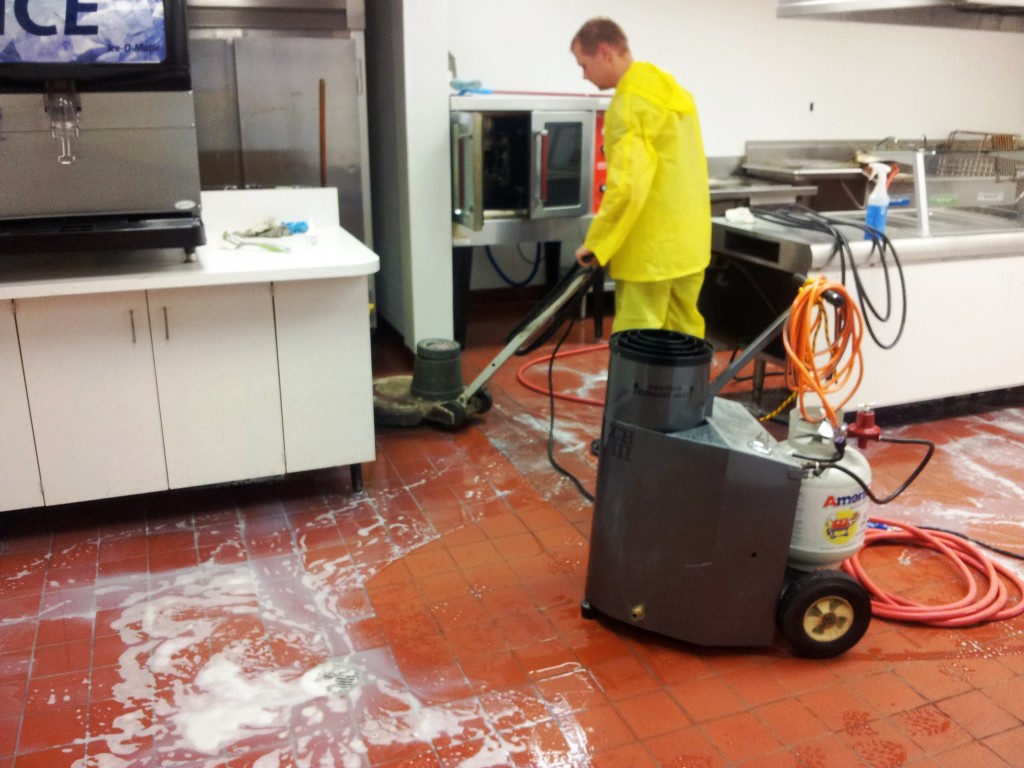
Restaurant Kitchen Deep Cleaning
Comprehensive deep cleaning for restaurant kitchens including floors, walls, equipment, and hard-to-reach areas. We eliminate grease buildup, food residue, and bacteria to ensure a sanitary cooking environment that meets health code standards.
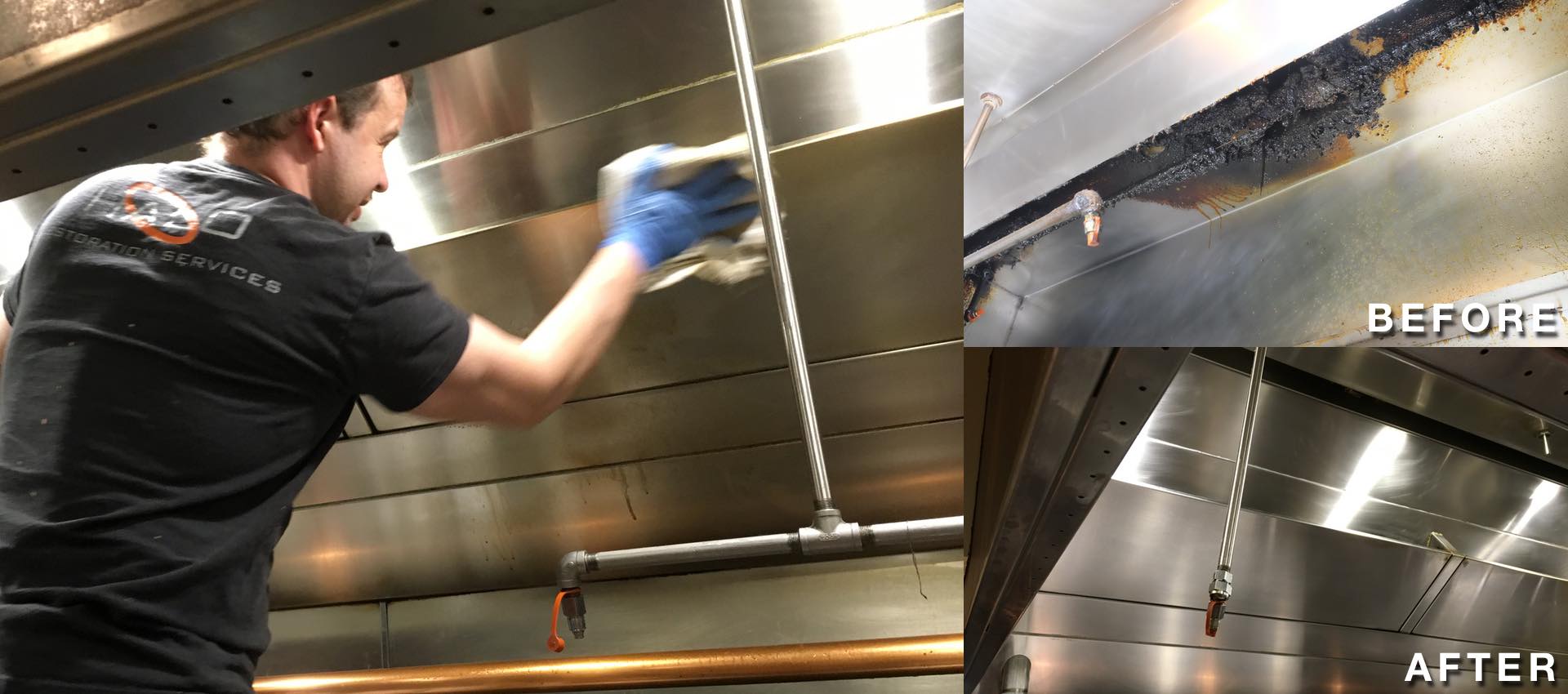
Hood and Vent Cleaning
NFPA-compliant kitchen exhaust system cleaning including hoods, filters, ducts, and fans. Our thorough cleaning removes dangerous grease buildup, reduces fire hazards, and improves ventilation efficiency for a safer kitchen environment.
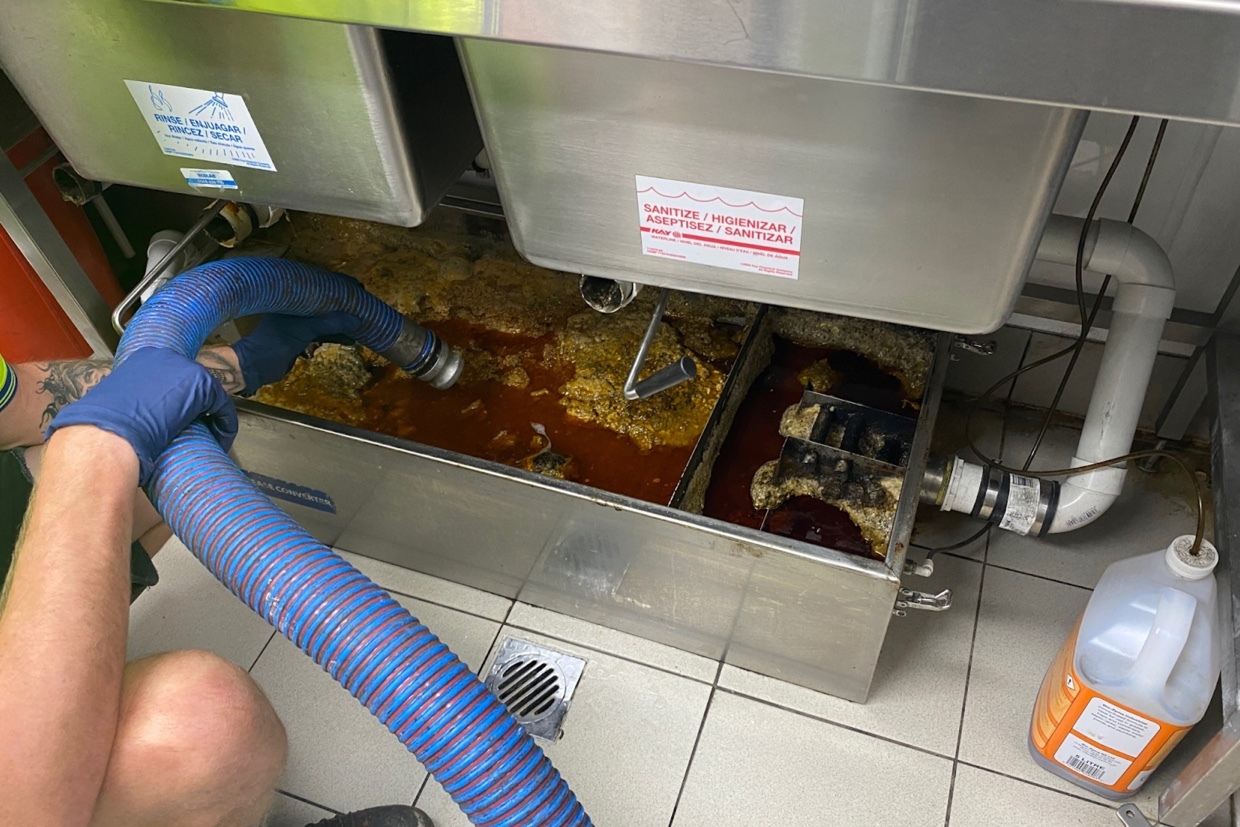
Grease Trap Maintenance
Professional grease trap pumping, cleaning, and maintenance services to prevent clogs, backups, and odors. Regular maintenance helps your restaurant stay compliant with local regulations and keeps your plumbing system running smoothly.
services planning guide
How to plan walk in cooler cleaning for a food-service facility in Dallas
Restaurant Cleaning Services of Dallas uses the following planning framework to help property managers and business owners turn a request for restaurant, dining-room, and kitchen cleaning into a scope that can be walked, priced, scheduled, and checked. It is designed for practical comparison and does not replace site-specific safety, material, vendor, or regulatory requirements.
Define the Work Before Pricing It
Walk In Cooler Cleaning should begin with a written definition of the rooms, surfaces, fixtures, equipment boundaries, and access conditions included in the work. A useful scope separates routine tasks from periodic restoration so the facility manager can see what happens on every visit and what occurs only on a planned cycle. The strongest walk in cooler cleaning plan names measurable outcomes rather than relying on broad phrases such as “keep it clean.” Examples include streak-free entry glass, stocked and odor-controlled restrooms, debris-free floor edges, sanitized touchpoints, and completion before a stated opening time. Square footage alone does not define the effort required for walk in cooler cleaning. Occupancy, floor materials, restroom count, food or production activity, security procedures, furniture density, and the time available between closing and reopening all affect labor and equipment planning. For multi-tenant or mixed-use properties, walk in cooler cleaning should be divided by responsibility zone. Common areas, tenant suites, back-of-house spaces, loading areas, public restrooms, and restricted rooms can then receive schedules and approval rules that match their actual use.
Build the Schedule Around Operations
Facilities with irregular occupancy should use a flexible service calendar. Seasonal traffic, events, construction phases, tenant move-ins, inventory cycles, and weather can all create temporary cleaning demand that a rigid schedule will miss. A dependable plan includes a method for reporting schedule changes. The facility contact should know whom to notify, how much lead time is needed, and how missed or added visits affect the monthly program before an urgent request arises. Recurring walk in cooler cleaning should include planned periodic work instead of waiting for visible deterioration. Rotating detail tasks through monthly or quarterly cycles protects floors, fixtures, glass, vents, edges, and other zones that routine visits cannot address completely. For Dallas–Fort Worth properties, travel windows and building access can materially affect the usable service period. A realistic schedule accounts for security handoffs and operating deadlines rather than promising a start time that leaves too little time to finish.
Make Quality Control Observable
Inspection frequency should reflect the complexity of the account. A small weekly office may need periodic supervisory review, while a high-traffic or regulated environment may require documented checks several times each week. A single complaint channel prevents service issues from disappearing between building occupants, property management, and the cleaning crew. Requests should be logged with the location, task, urgency, and desired completion time so the response can be verified. Before-and-after documentation is especially valuable for one-time or restorative walk in cooler cleaning. It establishes the starting condition, records the completed result, and helps the facility manager decide whether a recurring maintenance cycle would prevent the same buildup. The account review should examine service requests, inspection findings, occupancy changes, supply use, and upcoming facility events. That review keeps the program aligned with the property instead of allowing an old scope to continue after the building changes.
Match Methods to Materials and Risk
A material-safety discussion should include storage and labeling. Facility contacts should know where products and equipment will be kept, which rooms remain accessible to occupants, and how spills or damaged containers are reported. Equipment should be selected for the facility rather than for convenience. HEPA filtration, low-moisture extraction, auto-scrubbing, water-fed poles, pressure equipment, or detail tools may be appropriate depending on access, surface, soil, and reopening time. Consumable supplies deserve their own responsibility list. Soap, paper products, liners, dispensers, batteries, air fresheners, and specialty items may be client supplied, contractor supplied, or billed separately, but the agreement should not leave that question open. Product selection should match the task and the occupied environment. Cleaning, degreasing, disinfecting, descaling, and finishing are different functions; using one product for every surface can leave residue, reduce effectiveness, or shorten asset life.
Use the Walkthrough to Build the Scope
If the requested walk in cooler cleaning includes restorative work, identify the difference between a first-service reset and ongoing maintenance. Startup work may require additional labor that should not be hidden inside the recurring visit price. For larger properties, divide the walkthrough into zones and record the floor type, use, occupancy, and desired frequency for each. This produces a proposal that can be adjusted by zone without rewriting the entire program. The walkthrough should follow the facility’s traffic pattern from entrances through work areas, restrooms, support rooms, and exits. This reveals where soil enters, where it concentrates, and which tasks must be completed in a particular order. A useful walkthrough ends with next steps: who will receive the written scope, who can approve revisions, whether a second technical visit is required, and what information is still needed before pricing is final.
Put the Service Agreement in Writing
Insurance and vendor-document requirements should be confirmed during proposal review rather than after award. If the property requires a certificate, additional insured wording, vendor portal registration, or special access documentation, those steps can affect the startup date. A structured startup period gives both sides a chance to refine the scope. Early inspections and a scheduled review after the first few visits can resolve workload assumptions before they become embedded in a long-term program. Cancellation, renewal, and notice terms deserve the same attention as the cleaning checklist. A facility manager comparing proposals should understand the initial term, renewal method, price-review process, and the notice required to change or end service. Pricing should state whether it is monthly, per visit, hourly, or project based and should identify the assumptions behind it. Changes in occupied square footage, frequency, access time, or task scope need an agreed method for repricing.
Plan for Dallas Facility Conditions
Storm seasons can create short-notice needs around entrances, exterior glass, tracked moisture, construction material, and debris. A recurring account should know how to request work outside the normal scope and whether priority response is available. Commercial properties in the region frequently combine offices, warehouses, showrooms, food service, or public-facing areas under one address. Zoning the scope by use keeps the cleaning method appropriate for each part of the building. DFW traffic makes realistic arrival windows important, especially when a crew must meet security or elevator access at a fixed time. The plan should protect enough on-site time to complete the work rather than compressing the scope after a delayed handoff. A local service plan should account for the property’s immediate environment. Construction nearby, open parking, landscaping, loading activity, and pedestrian traffic can change how quickly dust and debris return after a visit.
Compare Providers on More Than Price
When comparing walk in cooler cleaning proposals, normalize the scope before comparing price. A lower monthly number may exclude periodic work, supplies, supervision, floor care, or enough labor to complete the stated checklist. Consider the cost of under-scoping. Persistent complaints, damaged finishes, emergency restoration, staff time spent supervising the vendor, and repeated provider changes can cost more than a properly designed recurring program. Evaluate communication alongside cleaning technique. A facility manager needs timely updates, a named account contact, documented service requests, and a reliable process for resolving issues without repeatedly explaining the account. The final decision should align service frequency with the facility’s real use. Buying fewer visits than the property needs creates visible decline; buying unnecessary frequency wastes budget that could be directed to periodic or high-priority work.
Start, Measure, and Adjust the Program
Crew orientation should cover the approved scope, building access, material cautions, waste handling, supply storage, security, and the communication path for exceptions. Written information is more dependable than verbal instructions passed between shifts. A stable program still needs review after renovations, staffing growth, seasonal traffic, operating-hour changes, or new equipment. Each change can alter soil load, access, or the time available for walk in cooler cleaning. After the first service cycle, compare actual labor and facility condition with the proposal assumptions. If the original scope was inaccurate, adjust it openly rather than expecting quality to survive an unrealistic workload. Closeout reporting should match the account’s complexity. A small property may need simple completion confirmation; a larger or specialized account may need inspection notes, issue photographs, supply alerts, and a record of periodic tasks.
Bring to the walkthrough
- Approximate square footage, floor plan, and operating hours
- Current frequency, known complaints, and priority areas
- Flooring and surface notes, restricted rooms, and access rules
- Desired start date, budget constraints, and approval contacts
Expect in a written proposal
- Task scope by zone and visit frequency
- Service windows, periodic work, and supply responsibility
- Quality checks, communication, and correction procedures
- Pricing assumptions, exclusions, and change-order rules