
Restaurant Cleaning Services in Dallas, TX
Professional restaurant cleaning services throughout Dallas, Texas. We serve restaurants, cafes, bars, and food service establishments across the Dallas metro area with comprehensive cleaning solutions tailored to your needs.
Restaurant Cleaning Services in Dallas, Texas
Restaurant Cleaning Services of Dallas provides comprehensive restaurant cleaning and kitchen maintenance services throughout Dallas, Texas. We understand the unique cleaning requirements of restaurants, cafes, bars, and food service establishments in this area.
Dallas stands as the third-largest city in Texas and the ninth-largest in the United States, with a population exceeding 1.3 million residents. As a major hub for business, finance, and technology, Dallas hosts numerous Fortune 500 companies including AT&T, Southwest Airlines, and Texas Instruments. The city's diverse economy spans sectors from telecommunications and information technology to banking, healthcare, and transportation.
Our commercial cleaning services are specifically tailored to meet the demands of Dallas's dynamic business environment. From the gleaming skyscrapers of Downtown Dallas to the trendy offices in Uptown and Deep Ellum, we understand that maintaining a pristine workplace is essential for making lasting impressions on clients and employees alike.
Dallas businesses face unique challenges due to the city's subtropical climate, characterized by hot summers and mild winters. The region experiences approximately 232 sunny days annually, with humidity levels that can promote mold and mildew growth in poorly maintained spaces. Our cleaning protocols address these environmental factors, ensuring your facility remains fresh and healthy year-round.
The city encompasses diverse neighborhoods, each with distinct commercial needs. Downtown Dallas serves as the central business district, housing corporate headquarters and financial institutions. Uptown attracts tech startups and creative agencies, while the Design District hosts showrooms and design firms. Deep Ellum's entertainment venues and Bishop Arts District's boutiques require specialized cleaning approaches for high-traffic environments.
Dallas's extensive convention and tourism industry, anchored by the Kay Bailey Hutchison Convention Center and major hotels throughout the city, creates additional demand for pristine commercial spaces. The city hosts numerous major events including the State Fair of Texas at Fair Park, attracting millions of visitors annually.
Nearby cities including Irving, Arlington, Plano, Grand Prairie, Garland, Mesquite, Carrollton, and Richardson form part of the Dallas-Fort Worth-Arlington metropolitan area, the fourth-largest metro area in the United States with over 7.5 million residents. This extensive network of interconnected communities creates a vast commercial cleaning market serving everything from small local businesses to major corporate campuses.
Landmarks like Reunion Tower, the Dallas Arboretum, AT&T Stadium in nearby Arlington, and the American Airlines Center define the city's skyline and cultural significance. Southern Methodist University and the University of Texas at Dallas contribute to the area's educated workforce and research initiatives.
Our comprehensive cleaning services address the specific needs of Dallas businesses, from daily office maintenance to deep cleaning for medical facilities, retail establishments, and industrial warehouses. We employ HEPA filtration systems, EPA-registered disinfectants, and sustainable cleaning practices to protect both your workspace and the environment.
Our team is experienced in working with restaurants of all sizes, from small cafes to large dining establishments. We offer flexible scheduling options to minimize disruption to your operations while ensuring your facility meets high standards of cleanliness and sanitation.
Service Areas in Dallas
We serve restaurants throughout Dallas and surrounding areas, including zip codes: 75201, 75202, 75204, 75206, 75207, 75208, 75209, 75210, 75214, 75215, and 31 more.
Areas We Serve
Our restaurant cleaning services extend to key areas throughout Dallas, including Downtown Dallas, Deep Ellum, Uptown, Oak Lawn, Lakewood, Highland Park.
Neighborhoods We Serve
We provide restaurant cleaning services throughout Dallas, including: Downtown Dallas, Uptown, Deep Ellum, Design District, Oak Lawn, Bishop Arts District, West End, Victory Park, Medical District, Lakewood.
Why Choose Our Dallas Restaurant Cleaning Service
- Local expertise in Dallas restaurant cleaning
- Flexible scheduling to fit your operations
- Comprehensive kitchen deep cleaning services
- Health code compliance focus
- Consistent, reliable service
Our Services
Restaurant Kitchen Deep Cleaning
Comprehensive deep cleaning for restaurant kitchens including floors, walls, equipment, and hard-to-reach areas. We eliminate grease buildup, food residue, and bacteria to ensure a sanitary cooking environment that meets health code standards.
Hood and Vent Cleaning
NFPA-compliant kitchen exhaust system cleaning including hoods, filters, ducts, and fans. Our thorough cleaning removes dangerous grease buildup, reduces fire hazards, and improves ventilation efficiency for a safer kitchen environment.
Grease Trap Maintenance
Professional grease trap pumping, cleaning, and maintenance services to prevent clogs, backups, and odors. Regular maintenance helps your restaurant stay compliant with local regulations and keeps your plumbing system running smoothly.
Dining Room Sanitization
Thorough sanitization of dining areas including tables, chairs, booths, and high-touch surfaces. We use food-safe disinfectants to create a clean, welcoming environment that keeps your customers comfortable and protected.
Food Preparation Area Disinfection
Specialized disinfection of food prep surfaces, cutting boards, countertops, and equipment using EPA-approved sanitizers. We help prevent cross-contamination and ensure your prep areas meet the highest food safety standards.
Restroom Sanitation and Supplies
Complete restroom cleaning, disinfection, and restocking services. We sanitize all fixtures, mirrors, and surfaces while ensuring adequate supplies of soap, paper products, and sanitizers for your guests and staff.
Other Service Areas
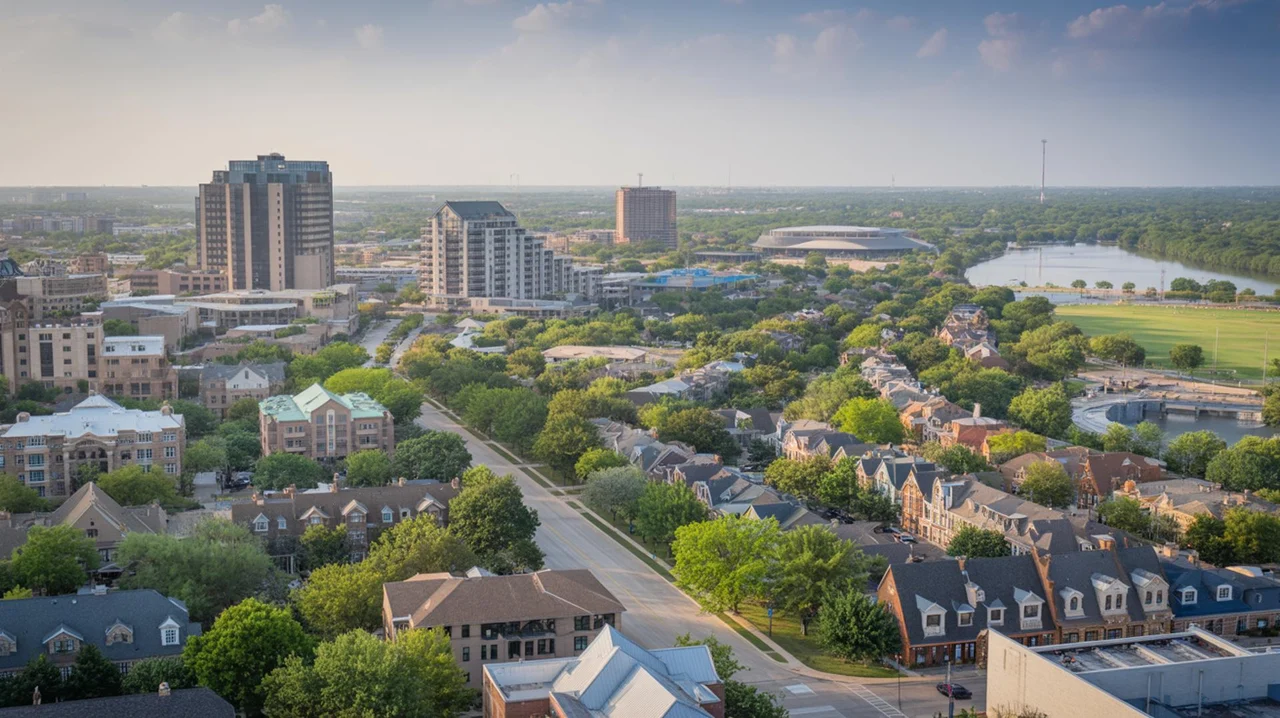
Arlington, TX
Expert restaurant cleaning services in Arlington, Texas. From the Entertainment District to residential neighborhoods, we provide thorough kitchen cleaning, sanitization, and maintenance for restaurants of all sizes.
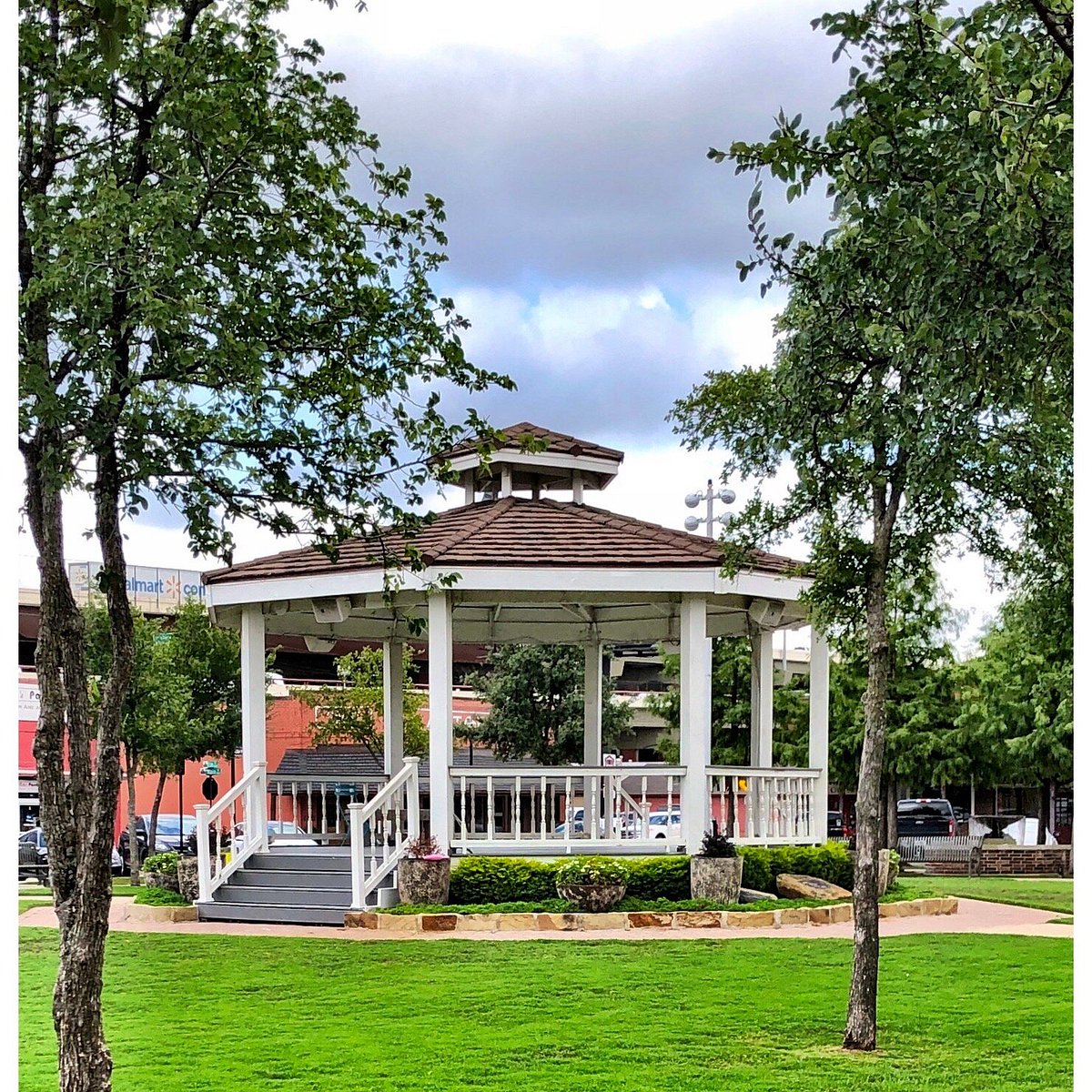
Carrollton, TX
Reliable restaurant cleaning services in Carrollton, Texas. We help local eateries, chain restaurants, and food service businesses maintain pristine kitchens and dining areas that exceed health inspection standards.

Denton, TX
Comprehensive restaurant cleaning services in Denton, Texas. We serve the Square, university area, and surrounding neighborhoods with professional kitchen deep cleaning, hood cleaning, and full-service sanitization.
locations planning guide
How to plan dallas tx for a food-service facility in Dallas
Restaurant Cleaning Services of Dallas uses the following planning framework to help property managers and business owners turn a request for restaurant, dining-room, and kitchen cleaning into a scope that can be walked, priced, scheduled, and checked. It is designed for practical comparison and does not replace site-specific safety, material, vendor, or regulatory requirements.
Define the Work Before Pricing It
A commercial scope should distinguish appearance cleaning from hygiene work and asset maintenance. Dust removal, disinfection, floor finish care, glass restoration, and debris control solve different problems, use different processes, and often belong on different frequencies. A walkthrough for dallas tx is most productive when the decision-maker identifies the spaces that create complaints, the areas that carry the most traffic, and the tasks the current program misses. Those observations turn a generic checklist into a practical scope tied to the way the property is actually used. Before pricing dallas tx, document exclusions as carefully as inclusions. Exterior work, high access, consumable supplies, waste handling, specialty floor restoration, equipment interiors, and event cleanup can be scheduled correctly only when responsibility is explicit. The strongest dallas tx plan names measurable outcomes rather than relying on broad phrases such as “keep it clean.” Examples include streak-free entry glass, stocked and odor-controlled restrooms, debris-free floor edges, sanitized touchpoints, and completion before a stated opening time.
Build the Schedule Around Operations
For Dallas–Fort Worth properties, travel windows and building access can materially affect the usable service period. A realistic schedule accounts for security handoffs and operating deadlines rather than promising a start time that leaves too little time to finish. Access planning is part of service planning. Keys, badges, alarm procedures, loading access, elevator reservations, escort rules, and locked-room approvals should be confirmed before the first dallas tx visit so the crew can complete the full scope without improvising. Recurring dallas tx should include planned periodic work instead of waiting for visible deterioration. Rotating detail tasks through monthly or quarterly cycles protects floors, fixtures, glass, vents, edges, and other zones that routine visits cannot address completely. Scheduling should be built around operating hours and risk, not around the cleaning company’s convenience. Some food-service facility environments need a complete after-hours reset, while others benefit from daytime attention to entrances, restrooms, spills, or high-traffic common areas.
Make Quality Control Observable
The account review should examine service requests, inspection findings, occupancy changes, supply use, and upcoming facility events. That review keeps the program aligned with the property instead of allowing an old scope to continue after the building changes. Consistent crew assignments improve dallas tx because the team learns access routines, material sensitivities, recurring problem areas, and the expectations of the facility contact. Coverage plans are still necessary for absences so consistency does not depend on one individual. Quality control works best when it is tied to the site-specific scope. A supervisor can inspect completion against named rooms and outcomes, record exceptions, assign corrections, and identify patterns that require a change in staffing, tools, or frequency. Inspection frequency should reflect the complexity of the account. A small weekly office may need periodic supervisory review, while a high-traffic or regulated environment may require documented checks several times each week.
Match Methods to Materials and Risk
Surface identification matters because a process that works on one material can damage another. Before dallas tx, confirm flooring, stone, coated metal, glass treatments, upholstery, painted surfaces, and manufacturer restrictions that affect chemistry or agitation. A material-safety discussion should include storage and labeling. Facility contacts should know where products and equipment will be kept, which rooms remain accessible to occupants, and how spills or damaged containers are reported. Equipment should be selected for the facility rather than for convenience. HEPA filtration, low-moisture extraction, auto-scrubbing, water-fed poles, pressure equipment, or detail tools may be appropriate depending on access, surface, soil, and reopening time. Dwell time and physical removal are central to effective cleaning. A product cannot perform as intended if it is wiped away immediately, and loosened soil still needs to be removed with clean tools rather than redistributed across the surface.
Use the Walkthrough to Build the Scope
Ask department leads or regular occupants where cleaning failures are most visible. Facility managers often know the formal complaints, while daily users can identify recurring issues such as neglected corners, supply shortages, or timing conflicts. For larger properties, divide the walkthrough into zones and record the floor type, use, occupancy, and desired frequency for each. This produces a proposal that can be adjusted by zone without rewriting the entire program. Access and safety constraints should be demonstrated, not merely mentioned. Alarm panels, loading doors, restricted areas, waste points, water access, electrical access, and equipment storage can change the labor plan materially. The walkthrough should follow the facility’s traffic pattern from entrances through work areas, restrooms, support rooms, and exits. This reveals where soil enters, where it concentrates, and which tasks must be completed in a particular order.
Put the Service Agreement in Writing
Pricing should state whether it is monthly, per visit, hourly, or project based and should identify the assumptions behind it. Changes in occupied square footage, frequency, access time, or task scope need an agreed method for repricing. The agreement should state how holidays, weather closures, and client-requested skips are handled. These events affect visit counts and staffing, and the billing treatment should be clear before the first calendar exception. A commercial cleaning agreement should attach or reproduce the approved scope, frequency, service window, periodic task calendar, supply responsibilities, access rules, and communication contacts. The written detail protects both the property and the service team. Cancellation, renewal, and notice terms deserve the same attention as the cleaning checklist. A facility manager comparing proposals should understand the initial term, renewal method, price-review process, and the notice required to change or end service.
Plan for Dallas Facility Conditions
Properties across Dallas–Fort Worth vary widely in access, occupancy, and operating schedule. A downtown office, suburban medical suite, industrial building, retail center, and hospitality property should not receive the same labor plan simply because their square footage is similar. A local service plan should account for the property’s immediate environment. Construction nearby, open parking, landscaping, loading activity, and pedestrian traffic can change how quickly dust and debris return after a visit. DFW traffic makes realistic arrival windows important, especially when a crew must meet security or elevator access at a fixed time. The plan should protect enough on-site time to complete the work rather than compressing the scope after a delayed handoff. Fast regional growth creates frequent move-ins, renovations, tenant turnovers, and occupancy changes. The cleaning scope should be reviewed when a property changes use instead of assuming the previous tenant’s schedule remains appropriate.
Compare Providers on More Than Price
Consider the cost of under-scoping. Persistent complaints, damaged finishes, emergency restoration, staff time spent supervising the vendor, and repeated provider changes can cost more than a properly designed recurring program. Ask each provider to explain staffing assumptions, visit length, supervision, equipment, and the process for covering absences. The answer reveals whether the proposal is an operating plan or simply a price attached to a task list. A pilot or structured startup can be useful when the facility is complex or the current condition is uncertain. Define what will be evaluated, how long the evaluation lasts, and what information determines the permanent scope. Review the proposal for vague language. Terms such as “as needed,” “regularly,” and “periodically” should be converted into frequencies, triggers, or approval rules before the agreement is signed.
Start, Measure, and Adjust the Program
Periodic tasks should be placed on a calendar at startup. Floor work, carpet extraction, glass detailing, vent cleaning, high dusting, pressure cleaning, and other rotating services are easier to budget when dates are planned. Closeout reporting should match the account’s complexity. A small property may need simple completion confirmation; a larger or specialized account may need inspection notes, issue photographs, supply alerts, and a record of periodic tasks. A stable program still needs review after renovations, staffing growth, seasonal traffic, operating-hour changes, or new equipment. Each change can alter soil load, access, or the time available for dallas tx. The first visit should not be treated as an ordinary maintenance visit when buildup already exists. Startup cleaning establishes a maintainable baseline and gives the crew a realistic view of the time required for future service.
Bring to the walkthrough
- Approximate square footage, floor plan, and operating hours
- Current frequency, known complaints, and priority areas
- Flooring and surface notes, restricted rooms, and access rules
- Desired start date, budget constraints, and approval contacts
Expect in a written proposal
- Task scope by zone and visit frequency
- Service windows, periodic work, and supply responsibility
- Quality checks, communication, and correction procedures
- Pricing assumptions, exclusions, and change-order rules