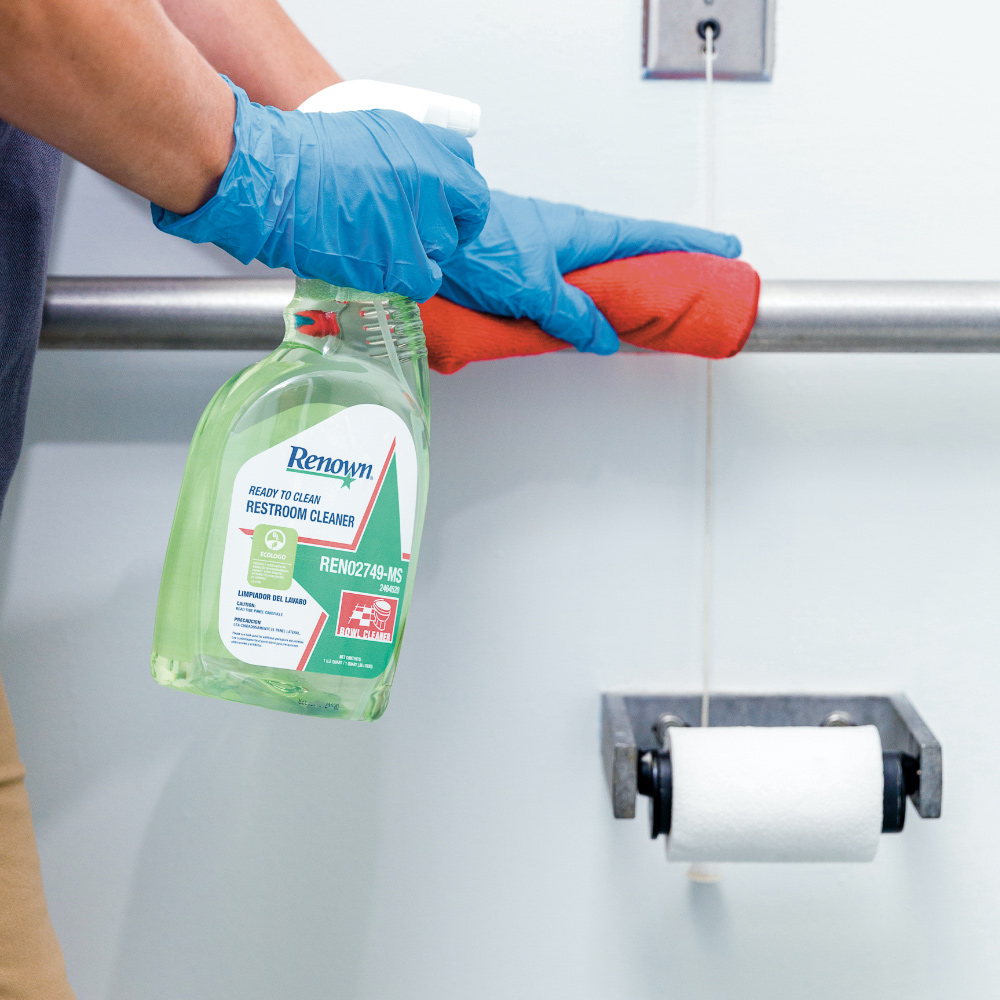
Restaurant Restroom Sanitation & Supply Services in Dallas
Complete restroom cleaning, disinfection, and restocking services. We sanitize all fixtures, mirrors, and surfaces while ensuring adequate supplies of soap, paper products, and sanitizers for your guests and staff.
Professional restroom sanitation and supplies services for restaurants in Dallas and surrounding areas. We deliver exceptional results that keep your establishment clean, safe, and ready for operation.
Restroom Sanitation and Supplies Services in Dallas
Restaurant restrooms significantly influence customer perception and satisfaction. Studies consistently show that customers associate restroom cleanliness with overall restaurant hygiene and food safety, making these spaces critical to business success. Beyond customer impression, proper restroom sanitation prevents disease transmission, ensures regulatory compliance, and protects your staff and guests from health hazards. Professional restroom sanitation and supply services provide the comprehensive care necessary to maintain exemplary facilities while managing the ongoing supply requirements that keep restrooms fully operational.
The Business Impact of Restroom Conditions
Customer perception research reveals the profound impact restroom conditions have on restaurant success. A significant percentage of customers report that unpleasant restroom experiences negatively affect their overall impression of restaurants, with many indicating they would not return to establishments with poorly maintained facilities. In Dallas's competitive dining market, where customers have abundant choices, restroom quality can determine whether guests become regular patrons or choose competitors.
The connection between restroom cleanliness and food safety perception creates particular urgency for restaurants. Customers logically assume that poor restroom hygiene indicates similar neglect in food preparation areas. This perception, whether accurate or not, damages reputation and reduces customer confidence regardless of actual kitchen conditions. Professional restroom sanitation addresses both the physical cleanliness and the customer confidence essential for business success.
Dallas restaurants face unique restroom maintenance challenges. High temperatures and humidity during summer months create conditions where bacteria multiply rapidly and odors develop quickly. Heavy traffic during events, conventions, and tourist seasons strain facilities requiring intensive maintenance. Additionally, Dallas's position as a business center means many restaurants serve lunch crowds expecting corporate-level restroom standards.
Comprehensive Restroom Sanitation Services
Deep Cleaning and Disinfection
Professional restroom sanitation extends far beyond visible cleaning to address the bacteria, viruses, and pathogens that threaten health. Services include thorough disinfection of all surfaces using EPA-registered products effective against norovirus, influenza, Salmonella, and other common restroom contaminants. This comprehensive approach treats not merely the fixtures customers see but also the walls, partitions, floors, and ventilation systems that complete the restroom environment.
Fixture Restoration and Maintenance
Toilets, urinals, sinks, and faucets receive detailed attention removing hard water deposits, soap scum, and organic buildup that daily cleaning cannot address. Professional services restore fixture appearance and function while eliminating harborage points for bacteria. This includes deep cleaning of drains, overflows, and internal components where odors originate and pathogens accumulate.
Floor and Grout Deep Cleaning
Restroom floors harbor significant bacterial loads and are often the source of persistent odors. Professional services use commercial-grade equipment and appropriate cleaning agents for different flooring types—tile, sealed concrete, or other materials common in Dallas restaurants. Grout lines receive particular attention as they trap soils and bacteria that standard mopping cannot remove.
Partition and Surface Sanitization
Stalls, partitions, mirrors, and dispensers receive thorough cleaning and disinfection. These high-touch surfaces transfer germs between users and require regular professional attention beyond daily maintenance capabilities. Professional services reach areas including partition tops, hardware, and undersides that accumulate dust and contamination.
Ventilation and Odor Control
Proper restroom ventilation prevents moisture accumulation and odor development. Professional services clean ventilation grilles, assess airflow adequacy, and address odor sources at their origin rather than merely masking smells with fragrances. This approach creates genuinely fresh environments rather than spaces that smell of cleaning chemicals attempting to cover underlying problems.
Tile and Grout Restoration
Over time, restroom tile and grout become stained and discolored despite regular cleaning. Professional services can restore these surfaces through deep cleaning, sealing, and when necessary, restoration treatments that bring back original appearance while providing protective barriers against future staining.
Supply Management and Restocking Services
Inventory Management
Professional services include ongoing monitoring of restroom supply levels including toilet paper, paper towels, hand soap, and air care products. This proactive approach prevents embarrassing shortages that create negative customer experiences while eliminating the management burden from restaurant staff.
Quality Product Supply
Service providers furnish high-quality restroom products appropriate for restaurant environments. This includes commercial-grade toilet tissue and towels that meet customer expectations while preventing plumbing issues from inferior products. Hand soaps and sanitizers meet health department requirements while being gentle on skin with frequent use.
Dispenser Installation and Maintenance
Modern restroom dispensers improve hygiene, reduce waste, and create more professional appearances. Professional services can install and maintain touchless soap dispensers, paper towel systems, and toilet tissue dispensers that reduce cross-contamination while improving operational efficiency.
Air Care Systems
Professional-grade air care systems provide subtle, consistent fragrance that enhances restroom ambiance without overwhelming users. Unlike retail products, commercial systems offer programmable delivery, refill monitoring, and appropriate scent profiles for food service environments.
Hygiene Accessories
Services can provide and maintain additional hygiene accessories including sanitary napkin dispensers, baby changing stations, and touchless fixtures that improve customer experience and demonstrate attention to detail.
Health and Safety Benefits
Disease Prevention: Thorough disinfection eliminates pathogens including norovirus, a leading cause of foodborne illness outbreaks that spreads readily in restroom environments. This protection benefits both customers and staff, reducing illness-related absences.
Cross-Contamination Control: Professional sanitation addresses the pathways by which restroom contaminants can spread to dining areas, kitchens, and food contact surfaces through shoes, hands, and airborne particles.
Mold and Mildew Prevention: Dallas's humid climate creates conditions where mold and mildew develop quickly in moist restroom environments. Professional cleaning and ventilation maintenance prevent these health hazards.
Slip and Fall Prevention: Clean, properly maintained floors reduce slip hazards that can result in customer injuries and liability exposure.
Regulatory Compliance and Inspection Readiness
Dallas County health inspections evaluate restroom conditions as part of overall facility assessment. Violations can result in citations, point deductions, and operational restrictions. Professional sanitation services ensure restrooms consistently meet health code requirements including:
- Adequate supply levels
- Proper ventilation
- Functional fixtures
- Cleanable surfaces
- Appropriate handwashing facilities
- Proper waste disposal
Documentation of professional service supports inspection preparedness and demonstrates due diligence in maintaining sanitary facilities.
Recommended Service Frequency
Professional restroom sanitation should supplement daily maintenance:
- Daily: Surface cleaning, supply monitoring, spot cleaning, and immediate spill response
- Weekly: Deep fixture cleaning, floor scrubbing, and detailed attention to high-touch surfaces
- Monthly: Comprehensive disinfection, grout cleaning, ventilation maintenance, and supply system review
- Quarterly: Tile and grout restoration, fixture maintenance, and complete supply inventory management
High-traffic restaurants, establishments with multiple restrooms, or facilities hosting events may require more frequent professional service.
Sustainability and Environmental Considerations
Modern restroom services offer environmentally responsible options:
Green Cleaning Products: EPA Safer Choice and Green Seal certified products clean effectively while reducing environmental impact and chemical exposure for staff and customers.
Sustainable Supplies: Recycled content paper products, concentrated soap formulas reducing packaging waste, and efficient dispensers minimizing consumption support sustainability goals.
Water Conservation: Low-flow fixtures and proper maintenance prevent leaks and running toilets that waste water and increase utility costs.
Waste Reduction: Proper waste management including recycling programs and reduced packaging supports environmental responsibility.
Choosing Professional Restroom Services
When selecting restroom sanitation and supply services in Dallas, evaluate:
Food Service Experience: Restaurant restrooms require different approaches than office or retail facilities. Select providers understanding food service requirements and customer expectations.
Comprehensive Capability: Quality providers offer complete sanitation, supply management, and maintenance rather than partial solutions requiring multiple vendors.
Responsive Service: Restroom issues require prompt attention. Choose providers offering rapid response for emergencies and flexible scheduling accommodating your operating hours.
Quality Products: Insist on commercial-grade supplies meeting restaurant standards rather than inferior retail products that create maintenance problems and disappoint customers.
Documentation: Professional services provide service reports documenting activities performed, supporting your compliance and quality management programs.
Professional restroom sanitation and supply services represent essential operational support for Dallas restaurants. These services protect customer health, ensure regulatory compliance, maintain positive brand perception, and relieve management burden while creating restroom facilities that enhance rather than detract from the dining experience you work hard to provide.
Benefits of Professional Restroom Sanitation
Service Areas for Restroom Sanitation and Supplies
We provide restroom sanitation and supplies throughout the Dallas-Fort Worth metroplex, including:
Request a Free Quote
Get a customized quote for restroom sanitation and supplies services.
Call Us Today
Speak directly with our team about your restroom sanitation and supplies needs.
1 (214) 817-3776Related Services
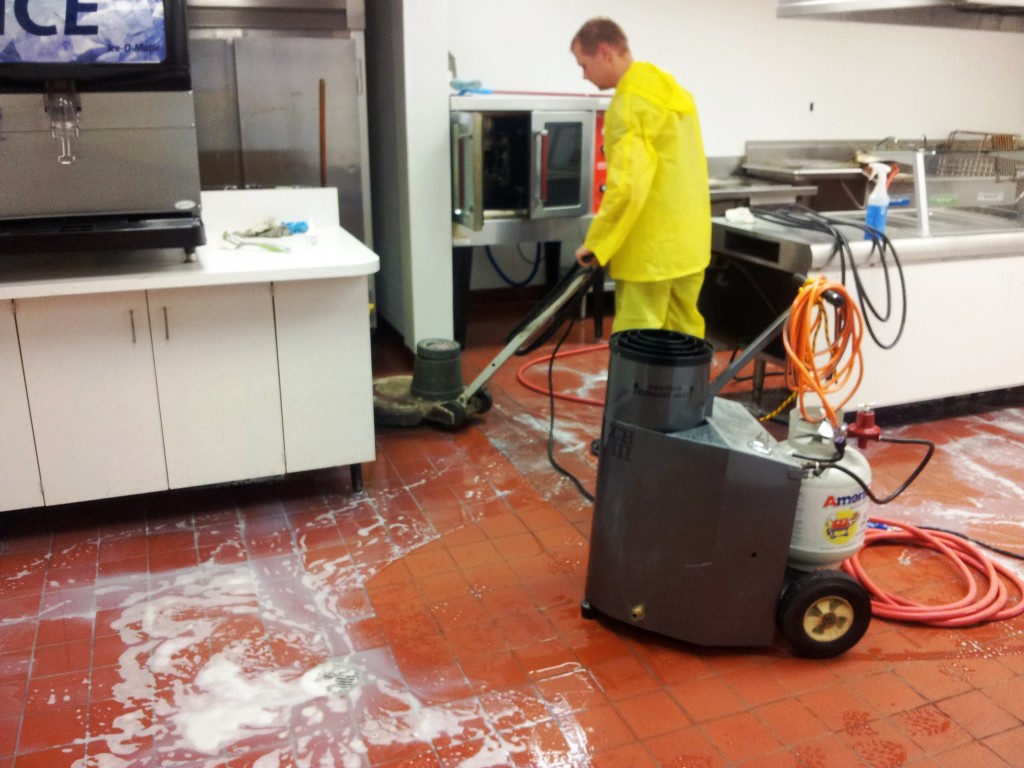
Restaurant Kitchen Deep Cleaning
Comprehensive deep cleaning for restaurant kitchens including floors, walls, equipment, and hard-to-reach areas. We eliminate grease buildup, food residue, and bacteria to ensure a sanitary cooking environment that meets health code standards.
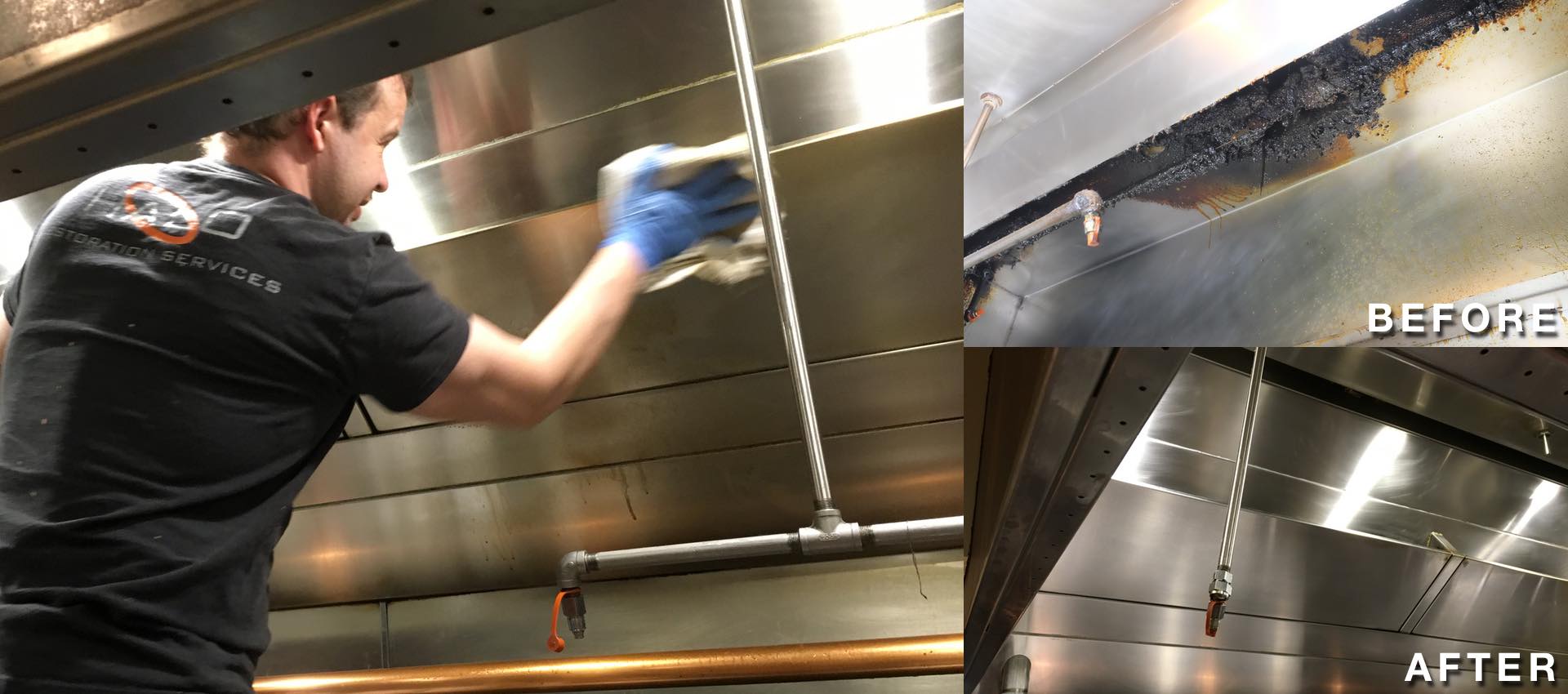
Hood and Vent Cleaning
NFPA-compliant kitchen exhaust system cleaning including hoods, filters, ducts, and fans. Our thorough cleaning removes dangerous grease buildup, reduces fire hazards, and improves ventilation efficiency for a safer kitchen environment.
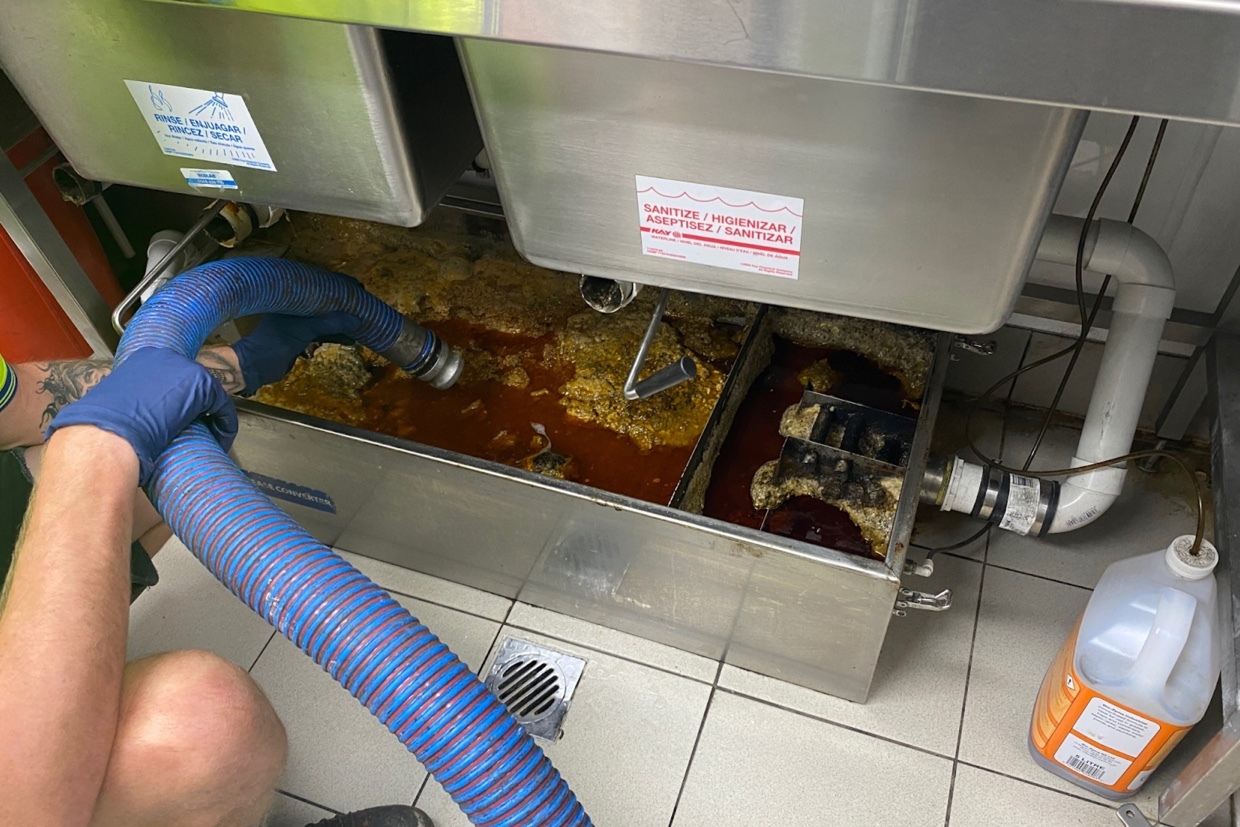
Grease Trap Maintenance
Professional grease trap pumping, cleaning, and maintenance services to prevent clogs, backups, and odors. Regular maintenance helps your restaurant stay compliant with local regulations and keeps your plumbing system running smoothly.
services planning guide
How to plan restroom sanitation and supplies for a food-service facility in Dallas
Restaurant Cleaning Services of Dallas uses the following planning framework to help property managers and business owners turn a request for restaurant, dining-room, and kitchen cleaning into a scope that can be walked, priced, scheduled, and checked. It is designed for practical comparison and does not replace site-specific safety, material, vendor, or regulatory requirements.
Define the Work Before Pricing It
A walkthrough for restroom sanitation and supplies is most productive when the decision-maker identifies the spaces that create complaints, the areas that carry the most traffic, and the tasks the current program misses. Those observations turn a generic checklist into a practical scope tied to the way the property is actually used. For multi-tenant or mixed-use properties, restroom sanitation and supplies should be divided by responsibility zone. Common areas, tenant suites, back-of-house spaces, loading areas, public restrooms, and restricted rooms can then receive schedules and approval rules that match their actual use. Before pricing restroom sanitation and supplies, document exclusions as carefully as inclusions. Exterior work, high access, consumable supplies, waste handling, specialty floor restoration, equipment interiors, and event cleanup can be scheduled correctly only when responsibility is explicit. Square footage alone does not define the effort required for restroom sanitation and supplies. Occupancy, floor materials, restroom count, food or production activity, security procedures, furniture density, and the time available between closing and reopening all affect labor and equipment planning.
Build the Schedule Around Operations
Access planning is part of service planning. Keys, badges, alarm procedures, loading access, elevator reservations, escort rules, and locked-room approvals should be confirmed before the first restroom sanitation and supplies visit so the crew can complete the full scope without improvising. Daytime and after-hours service solve different operational problems. Day porter coverage manages visible conditions while people are present; after-hours crews complete disruptive or time-intensive tasks when work areas can be accessed safely and thoroughly. Recurring restroom sanitation and supplies should include planned periodic work instead of waiting for visible deterioration. Rotating detail tasks through monthly or quarterly cycles protects floors, fixtures, glass, vents, edges, and other zones that routine visits cannot address completely. A nightly, daily, weekly, or project schedule changes more than visit frequency. It changes how much soil accumulates between visits, which tools are appropriate, how long each visit takes, and whether periodic deep work must be layered into the agreement.
Make Quality Control Observable
Consistent crew assignments improve restroom sanitation and supplies because the team learns access routines, material sensitivities, recurring problem areas, and the expectations of the facility contact. Coverage plans are still necessary for absences so consistency does not depend on one individual. Before-and-after documentation is especially valuable for one-time or restorative restroom sanitation and supplies. It establishes the starting condition, records the completed result, and helps the facility manager decide whether a recurring maintenance cycle would prevent the same buildup. Useful performance conversations separate an isolated miss from a recurring process failure. One unemptied bin requires correction; repeated misses in the same wing may indicate unclear zoning, inadequate time, or a checklist that does not match the building. The account review should examine service requests, inspection findings, occupancy changes, supply use, and upcoming facility events. That review keeps the program aligned with the property instead of allowing an old scope to continue after the building changes.
Match Methods to Materials and Risk
Equipment should be selected for the facility rather than for convenience. HEPA filtration, low-moisture extraction, auto-scrubbing, water-fed poles, pressure equipment, or detail tools may be appropriate depending on access, surface, soil, and reopening time. Dwell time and physical removal are central to effective cleaning. A product cannot perform as intended if it is wiped away immediately, and loosened soil still needs to be removed with clean tools rather than redistributed across the surface. Surface identification matters because a process that works on one material can damage another. Before restroom sanitation and supplies, confirm flooring, stone, coated metal, glass treatments, upholstery, painted surfaces, and manufacturer restrictions that affect chemistry or agitation. A material-safety discussion should include storage and labeling. Facility contacts should know where products and equipment will be kept, which rooms remain accessible to occupants, and how spills or damaged containers are reported.
Use the Walkthrough to Build the Scope
For larger properties, divide the walkthrough into zones and record the floor type, use, occupancy, and desired frequency for each. This produces a proposal that can be adjusted by zone without rewriting the entire program. The walkthrough should follow the facility’s traffic pattern from entrances through work areas, restrooms, support rooms, and exits. This reveals where soil enters, where it concentrates, and which tasks must be completed in a particular order. Access and safety constraints should be demonstrated, not merely mentioned. Alarm panels, loading doors, restricted areas, waste points, water access, electrical access, and equipment storage can change the labor plan materially. Discuss current service honestly during the walkthrough. What works should be preserved, what fails should be corrected, and any unrealistic expectation should be resolved before it becomes a recurring dispute after startup.
Put the Service Agreement in Writing
Service-level expectations should be realistic and observable. A promise of “perfect cleaning” is less useful than response times, inspection routines, named completion outcomes, and an escalation process for repeated deficiencies. Pricing should state whether it is monthly, per visit, hourly, or project based and should identify the assumptions behind it. Changes in occupied square footage, frequency, access time, or task scope need an agreed method for repricing. A commercial cleaning agreement should attach or reproduce the approved scope, frequency, service window, periodic task calendar, supply responsibilities, access rules, and communication contacts. The written detail protects both the property and the service team. Cancellation, renewal, and notice terms deserve the same attention as the cleaning checklist. A facility manager comparing proposals should understand the initial term, renewal method, price-review process, and the notice required to change or end service.
Plan for Dallas Facility Conditions
DFW traffic makes realistic arrival windows important, especially when a crew must meet security or elevator access at a fixed time. The plan should protect enough on-site time to complete the work rather than compressing the scope after a delayed handoff. Dallas facilities contend with long cooling seasons, tracked-in dust, pollen, severe-weather debris, and rapid development activity. Those conditions can influence entry cleaning, high dusting, floor care, glass maintenance, and the timing of periodic deep work. Storm seasons can create short-notice needs around entrances, exterior glass, tracked moisture, construction material, and debris. A recurring account should know how to request work outside the normal scope and whether priority response is available. Fast regional growth creates frequent move-ins, renovations, tenant turnovers, and occupancy changes. The cleaning scope should be reviewed when a property changes use instead of assuming the previous tenant’s schedule remains appropriate.
Compare Providers on More Than Price
Ask each provider to explain staffing assumptions, visit length, supervision, equipment, and the process for covering absences. The answer reveals whether the proposal is an operating plan or simply a price attached to a task list. A pilot or structured startup can be useful when the facility is complex or the current condition is uncertain. Define what will be evaluated, how long the evaluation lasts, and what information determines the permanent scope. The final decision should align service frequency with the facility’s real use. Buying fewer visits than the property needs creates visible decline; buying unnecessary frequency wastes budget that could be directed to periodic or high-priority work. References are most useful when the compared account resembles the property in size, use, and schedule. A successful small office account does not by itself demonstrate the systems needed for a large, high-traffic, or specialized facility.
Start, Measure, and Adjust the Program
The first visit should not be treated as an ordinary maintenance visit when buildup already exists. Startup cleaning establishes a maintainable baseline and gives the crew a realistic view of the time required for future service. A stable program still needs review after renovations, staffing growth, seasonal traffic, operating-hour changes, or new equipment. Each change can alter soil load, access, or the time available for restroom sanitation and supplies. Task sequencing affects results. High dusting should precede lower-surface cleaning, dry soil removal should precede wet work, and areas with restricted reopening times should be completed early enough to dry or ventilate. After the first service cycle, compare actual labor and facility condition with the proposal assumptions. If the original scope was inaccurate, adjust it openly rather than expecting quality to survive an unrealistic workload.
Bring to the walkthrough
- Approximate square footage, floor plan, and operating hours
- Current frequency, known complaints, and priority areas
- Flooring and surface notes, restricted rooms, and access rules
- Desired start date, budget constraints, and approval contacts
Expect in a written proposal
- Task scope by zone and visit frequency
- Service windows, periodic work, and supply responsibility
- Quality checks, communication, and correction procedures
- Pricing assumptions, exclusions, and change-order rules