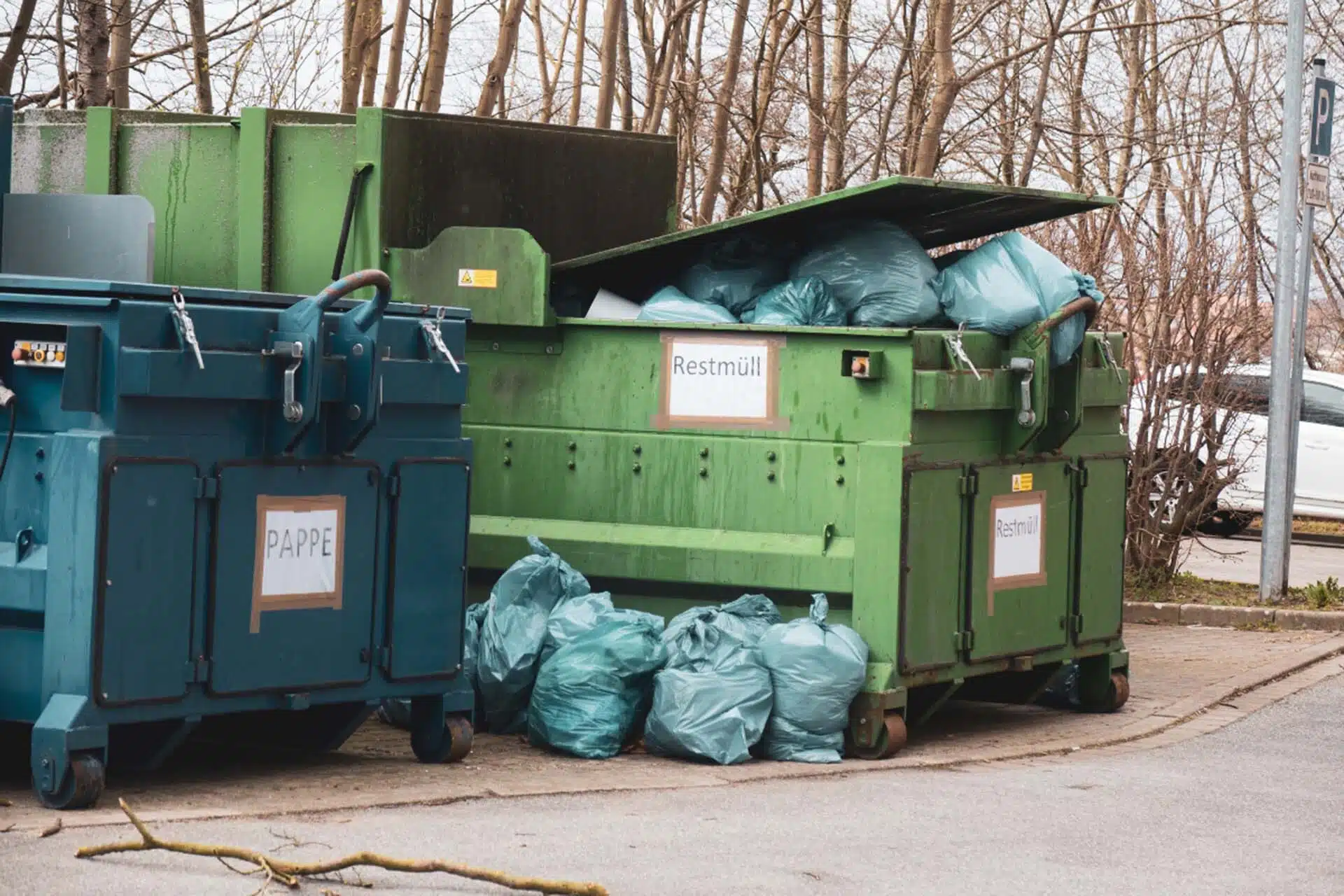
Trash Compactor & Dumpster Cleaning Services in Dallas
Professional cleaning and sanitization of trash compactors, dumpsters, and waste areas. We eliminate odors, bacteria, and pest attractants to maintain a hygienic environment around your restaurant's waste disposal systems.
Professional trash compactor and dumpster cleaning services for restaurants in Dallas and surrounding areas. We deliver exceptional results that keep your establishment clean, safe, and ready for operation.
Trash Compactor and Dumpster Cleaning Services in Dallas
Waste management areas represent necessary but challenging aspects of restaurant operations. Trash compactors and dumpsters accumulate food residue, liquids, and organic matter that generate foul odors, attract pests, breed bacteria, and create health hazards for employees and neighboring businesses. Professional cleaning services address these problems at their source, transforming waste areas from liability risks into properly managed operational components.
The Critical Need for Professional Waste Area Cleaning
Restaurant waste contains organic materials that decompose rapidly in Dallas's warm climate, creating serious operational and regulatory challenges. Accumulated residue breeds harmful bacteria including Salmonella, E. coli, and Listeria that can transfer to food preparation areas or create health hazards for employees handling waste. Foul odors migrate to dining areas, parking lots, and neighboring properties, creating complaints and damaging business reputation.
Pest attraction presents perhaps the most visible problem. Uncleaned waste areas draw rodents, flies, cockroaches, and wildlife that create health code violations, spread disease, and generate customer complaints. Once pests establish presence, elimination becomes significantly more difficult and expensive than prevention through proper waste area maintenance.
Dallas regulations require restaurants to maintain waste areas that don't create nuisances or health hazards. The Dallas Code of Ordinances addresses waste management, with violations potentially resulting in citations, fines, or operational restrictions. Additionally, lease agreements and property management requirements often mandate specific waste area maintenance standards.
Comprehensive Waste Area Cleaning Services
Dumpster Interior Deep Cleaning
Dumpsters receive thorough interior cleaning removing accumulated residue, stuck debris, and organic matter coating surfaces. Professional services use high-pressure hot water, degreasing agents, and sanitizers to clean all interior surfaces including bottom, sides, and lids. This eliminates odor sources and bacterial breeding grounds while removing materials attracting pests.
Dumpster Exterior and Surrounding Area
Exterior surfaces, wheels, and hardware receive cleaning removing leaks, spills, and environmental accumulation. The surrounding pad area is thoroughly cleaned, addressing spills, stains, and residue that escape containers. This comprehensive approach ensures the entire waste area meets cleanliness standards.
Compactor Cleaning and Maintenance
Trash compactors present unique cleaning challenges due to mechanical components and confined spaces. Professional services clean compaction chambers, ram surfaces, and receiving areas where debris accumulates. This includes removal of compacted material, degreasing of mechanical components, and sanitization of all surfaces.
Drainage and Leakage Control
Waste areas require proper drainage to prevent standing water that breeds mosquitoes and bacteria. Professional cleaning includes drain clearing, ensuring drainage systems function properly, and addressing conditions causing pooling or leakage.
Odor Elimination Treatment
Rather than masking odors with fragrances, professional services eliminate odor sources through bacterial action, enzymatic treatments, and thorough cleaning. This approach creates genuinely fresh waste areas rather than spaces that smell of chemicals attempting to cover underlying problems.
Pest Deterrent Application
Following cleaning, professional treatments create conditions unfavorable for pest attraction. This includes sealing entry points, applying repellents where appropriate, and establishing maintenance schedules preventing pest-friendly conditions from recurring.
Health and Safety Benefits
Bacterial Control: Professional cleaning eliminates harmful bacteria that can transfer to employees, equipment, or food preparation areas through contact with contaminated waste containers.
Odor Control: Complete source elimination creates waste areas that don't generate offensive smells affecting employee morale, customer experience, or neighboring businesses.
Pest Prevention: Clean waste areas eliminate food sources attracting rodents, insects, and wildlife, supporting integrated pest management programs and preventing infestations.
Employee Safety: Clean, well-maintained waste areas reduce slip hazards, exposure to harmful bacteria, and risks associated with pest encounters during waste disposal tasks.
Fire Prevention: Removal of grease and organic accumulation reduces fire hazards in waste areas where ignition sources may be present.
Regulatory Compliance and Risk Management
Dallas restaurants must maintain waste areas meeting multiple regulatory requirements:
Health Department Standards: Waste management areas are evaluated during health inspections, with cleanliness affecting overall facility ratings.
Municipal Codes: Dallas ordinances prohibit waste accumulation creating nuisances, odors, or health hazards. Professional cleaning ensures compliance.
Environmental Regulations: Proper cleaning and drainage management prevent contamination of stormwater systems, ensuring environmental compliance.
Lease and Property Requirements: Commercial leases typically include waste area maintenance obligations. Professional service satisfies these requirements while protecting tenant relationships.
Documentation of professional cleaning supports compliance demonstration during inspections or dispute resolution.
Frequency and Maintenance Scheduling
Appropriate cleaning frequency depends on waste volume, climate conditions, and operational factors:
- High-volume restaurants: Monthly cleaning preventing significant accumulation
- Standard operations: Quarterly service maintaining acceptable conditions
- Seasonal adjustments: More frequent service during hot Dallas summers when decomposition accelerates
- Post-spill response: Immediate cleaning following significant leaks or contamination events
- Pest prevention focus: Increased frequency if pest activity is observed
Many Dallas restaurants benefit from scheduled monthly service that prevents problems before they develop rather than reactive cleaning after complaints or violations occur.
Integrated Waste Area Management
Professional cleaning works best as part of comprehensive waste area management:
Container Selection: Appropriate dumpster sizing and features (sealed lids, drainage) reduce cleaning challenges and pest attraction.
Placement Optimization: Proper positioning facilitates cleaning access, drainage, and minimizes impact on operational areas.
Liner Programs: Using appropriate liners reduces residue accumulation and simplifies ongoing maintenance.
Staff Training: Training employees on proper waste handling minimizes spills and contamination requiring cleaning attention.
Recycling Programs: Separating recyclables reduces waste volume and associated cleaning requirements.
Odor Migration Prevention
Dallas's warm climate and occasional wind patterns can carry waste odors surprising distances. Professional service addresses odor migration through:
Source Elimination: Thorough cleaning removes odor-causing materials rather than masking smells.
Container Sealing: Proper lid maintenance and closure prevent odor escape.
Drainage Management: Eliminating standing water and leakage prevents anaerobic decomposition generating strong odors.
Barrier Maintenance: Cleaning and maintaining any fencing or screening containing waste areas.
Timing Considerations: Scheduling cleaning when odor sensitivity is highest, such as before weekend service periods.
Emergency and Responsive Services
Professional waste area cleaning providers offer emergency response for urgent situations:
Spill Response: Rapid cleaning following significant leaks or spills preventing odor development and pest attraction.
Pre-Inspection Service: Intensive cleaning before health department or property management inspections.
Complaint Resolution: Prompt response to odor or pest complaints from neighbors, customers, or authorities.
Post-Event Cleaning: Following large events generating unusual waste volumes requiring immediate attention.
Choosing Professional Waste Area Cleaning Services
When selecting waste area cleaning providers in Dallas, consider:
Restaurant Experience: Food waste presents different challenges than general commercial waste; select providers understanding restaurant operations and requirements.
Equipment Capability: Quality services use high-pressure hot water equipment, appropriate cleaning agents, and water recovery systems meeting environmental requirements.
Comprehensive Service: Ensure your provider addresses containers, surrounding areas, drainage, and odor control rather than superficial container rinsing.
Flexible Scheduling: Waste area cleaning should occur during off-hours or low-impact times preventing operational disruption.
Documentation: Professional services provide service reports documenting activities, supporting compliance and property management requirements.
Integrated Approach: Select providers offering pest prevention, odor control, and maintenance recommendations beyond basic cleaning.
Professional trash compactor and dumpster cleaning represents essential maintenance for Dallas restaurants. This service protects public health, ensures regulatory compliance, prevents pest infestations, eliminates odor problems, and maintains positive relationships with neighboring businesses while creating safer conditions for employees handling waste management responsibilities.
Benefits of Professional Dumpster Cleaning
Service Areas for Trash Compactor and Dumpster Cleaning
We provide trash compactor and dumpster cleaning throughout the Dallas-Fort Worth metroplex, including:
Request a Free Quote
Get a customized quote for trash compactor and dumpster cleaning services.
Call Us Today
Speak directly with our team about your trash compactor and dumpster cleaning needs.
1 (214) 817-3776Related Services
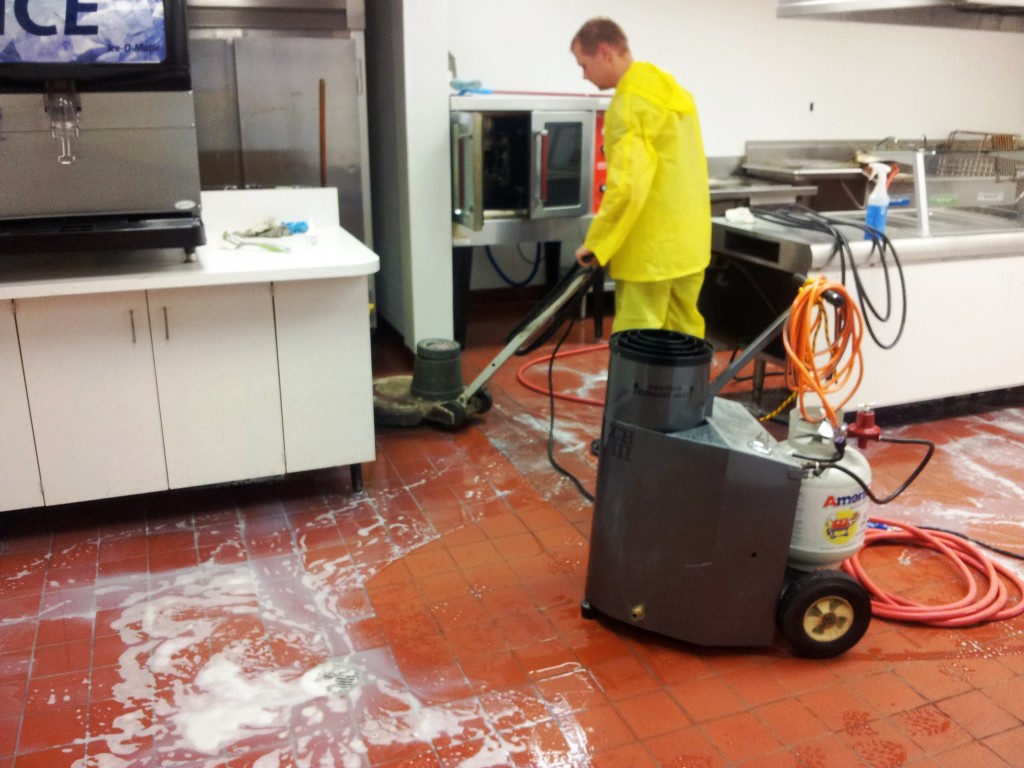
Restaurant Kitchen Deep Cleaning
Comprehensive deep cleaning for restaurant kitchens including floors, walls, equipment, and hard-to-reach areas. We eliminate grease buildup, food residue, and bacteria to ensure a sanitary cooking environment that meets health code standards.
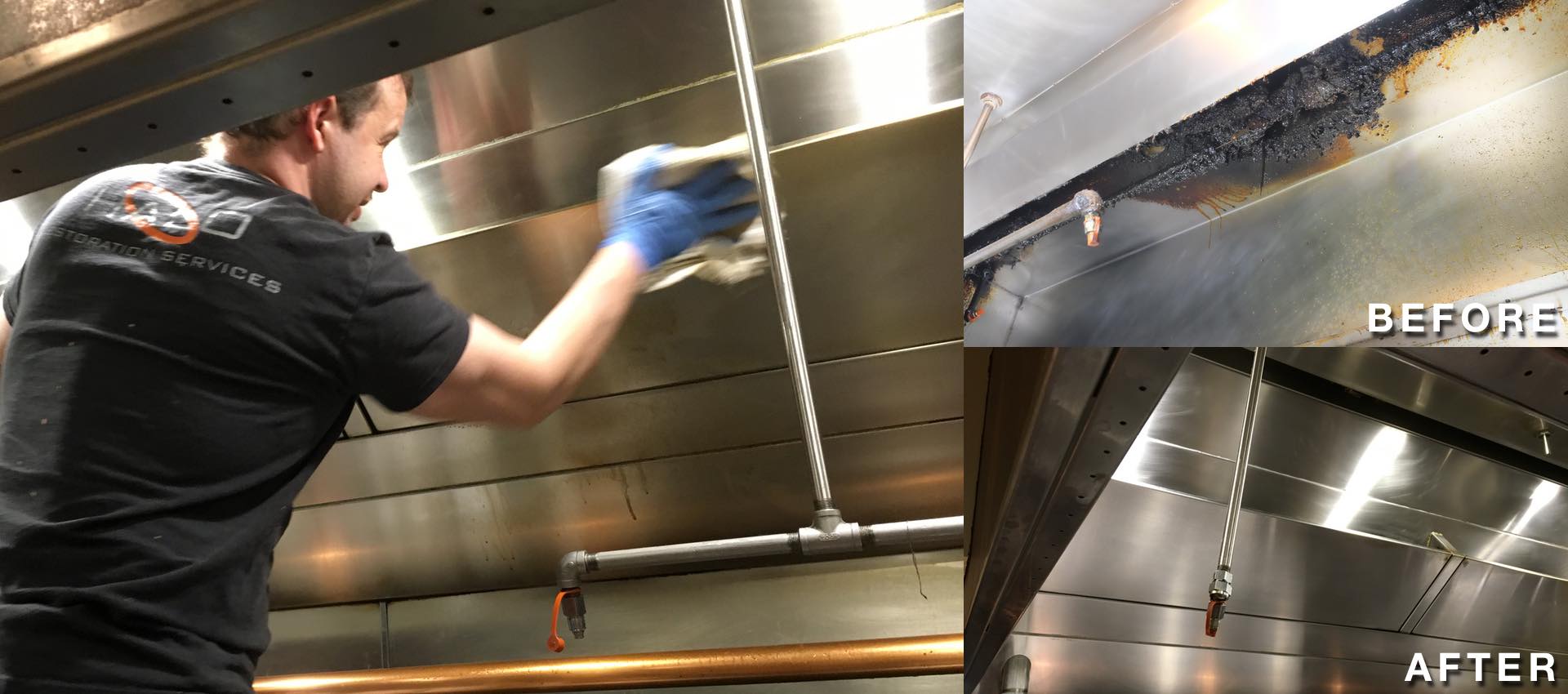
Hood and Vent Cleaning
NFPA-compliant kitchen exhaust system cleaning including hoods, filters, ducts, and fans. Our thorough cleaning removes dangerous grease buildup, reduces fire hazards, and improves ventilation efficiency for a safer kitchen environment.
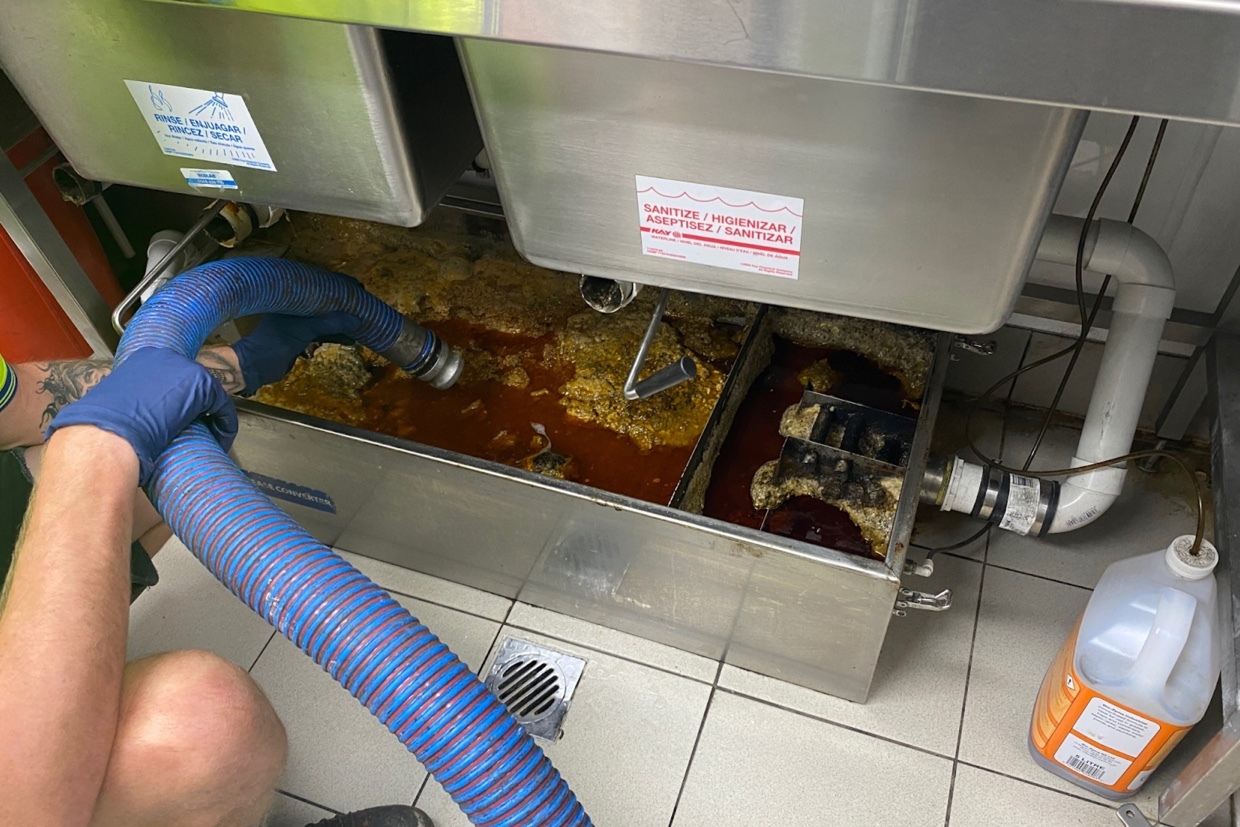
Grease Trap Maintenance
Professional grease trap pumping, cleaning, and maintenance services to prevent clogs, backups, and odors. Regular maintenance helps your restaurant stay compliant with local regulations and keeps your plumbing system running smoothly.
services planning guide
How to plan trash compactor and dumpster cleaning for a food-service facility in Dallas
Restaurant Cleaning Services of Dallas uses the following planning framework to help property managers and business owners turn a request for restaurant, dining-room, and kitchen cleaning into a scope that can be walked, priced, scheduled, and checked. It is designed for practical comparison and does not replace site-specific safety, material, vendor, or regulatory requirements.
Define the Work Before Pricing It
Before pricing trash compactor and dumpster cleaning, document exclusions as carefully as inclusions. Exterior work, high access, consumable supplies, waste handling, specialty floor restoration, equipment interiors, and event cleanup can be scheduled correctly only when responsibility is explicit. Trash Compactor And Dumpster Cleaning should begin with a written definition of the rooms, surfaces, fixtures, equipment boundaries, and access conditions included in the work. A useful scope separates routine tasks from periodic restoration so the facility manager can see what happens on every visit and what occurs only on a planned cycle. A walkthrough for trash compactor and dumpster cleaning is most productive when the decision-maker identifies the spaces that create complaints, the areas that carry the most traffic, and the tasks the current program misses. Those observations turn a generic checklist into a practical scope tied to the way the property is actually used. Change orders are easier to avoid when the initial trash compactor and dumpster cleaning proposal records current conditions. Photographs, floor-type notes, access limitations, and known buildup give both sides a shared baseline for deciding what belongs in startup work and what belongs in recurring maintenance.
Build the Schedule Around Operations
Scheduling should be built around operating hours and risk, not around the cleaning company’s convenience. Some food-service facility environments need a complete after-hours reset, while others benefit from daytime attention to entrances, restrooms, spills, or high-traffic common areas. Facilities with irregular occupancy should use a flexible service calendar. Seasonal traffic, events, construction phases, tenant move-ins, inventory cycles, and weather can all create temporary cleaning demand that a rigid schedule will miss. Daytime and after-hours service solve different operational problems. Day porter coverage manages visible conditions while people are present; after-hours crews complete disruptive or time-intensive tasks when work areas can be accessed safely and thoroughly. A dependable plan includes a method for reporting schedule changes. The facility contact should know whom to notify, how much lead time is needed, and how missed or added visits affect the monthly program before an urgent request arises.
Make Quality Control Observable
Quality control works best when it is tied to the site-specific scope. A supervisor can inspect completion against named rooms and outcomes, record exceptions, assign corrections, and identify patterns that require a change in staffing, tools, or frequency. Inspection frequency should reflect the complexity of the account. A small weekly office may need periodic supervisory review, while a high-traffic or regulated environment may require documented checks several times each week. Consistent crew assignments improve trash compactor and dumpster cleaning because the team learns access routines, material sensitivities, recurring problem areas, and the expectations of the facility contact. Coverage plans are still necessary for absences so consistency does not depend on one individual. A quality program should explain how corrections are handled. The facility contact needs a clear response path, a reasonable correction window, and confirmation when the issue is closed rather than a vague assurance that someone will look into it.
Match Methods to Materials and Risk
For sensitive or newly installed materials, a small test area can prevent expensive mistakes. The service plan should identify who approves the test result before broader cleaning or restoration proceeds. Equipment should be selected for the facility rather than for convenience. HEPA filtration, low-moisture extraction, auto-scrubbing, water-fed poles, pressure equipment, or detail tools may be appropriate depending on access, surface, soil, and reopening time. Surface identification matters because a process that works on one material can damage another. Before trash compactor and dumpster cleaning, confirm flooring, stone, coated metal, glass treatments, upholstery, painted surfaces, and manufacturer restrictions that affect chemistry or agitation. Color-coded cloths, pads, and tools can reduce cross-use between restrooms, food areas, workspaces, and public surfaces. The exact system matters less than having a documented method the crew can follow consistently.
Use the Walkthrough to Build the Scope
Access and safety constraints should be demonstrated, not merely mentioned. Alarm panels, loading doors, restricted areas, waste points, water access, electrical access, and equipment storage can change the labor plan materially. If the requested trash compactor and dumpster cleaning includes restorative work, identify the difference between a first-service reset and ongoing maintenance. Startup work may require additional labor that should not be hidden inside the recurring visit price. For larger properties, divide the walkthrough into zones and record the floor type, use, occupancy, and desired frequency for each. This produces a proposal that can be adjusted by zone without rewriting the entire program. A useful walkthrough ends with next steps: who will receive the written scope, who can approve revisions, whether a second technical visit is required, and what information is still needed before pricing is final.
Put the Service Agreement in Writing
A structured startup period gives both sides a chance to refine the scope. Early inspections and a scheduled review after the first few visits can resolve workload assumptions before they become embedded in a long-term program. The agreement should explain how additional work is approved. Emergency cleanup, event service, construction dust, floor restoration, and extra porter coverage should not be performed or billed through an informal request that no one can later verify. Cancellation, renewal, and notice terms deserve the same attention as the cleaning checklist. A facility manager comparing proposals should understand the initial term, renewal method, price-review process, and the notice required to change or end service. A commercial cleaning agreement should attach or reproduce the approved scope, frequency, service window, periodic task calendar, supply responsibilities, access rules, and communication contacts. The written detail protects both the property and the service team.
Plan for Dallas Facility Conditions
A local service plan should account for the property’s immediate environment. Construction nearby, open parking, landscaping, loading activity, and pedestrian traffic can change how quickly dust and debris return after a visit. Commercial properties in the region frequently combine offices, warehouses, showrooms, food service, or public-facing areas under one address. Zoning the scope by use keeps the cleaning method appropriate for each part of the building. Dallas facilities contend with long cooling seasons, tracked-in dust, pollen, severe-weather debris, and rapid development activity. Those conditions can influence entry cleaning, high dusting, floor care, glass maintenance, and the timing of periodic deep work. Fast regional growth creates frequent move-ins, renovations, tenant turnovers, and occupancy changes. The cleaning scope should be reviewed when a property changes use instead of assuming the previous tenant’s schedule remains appropriate.
Compare Providers on More Than Price
Review the proposal for vague language. Terms such as “as needed,” “regularly,” and “periodically” should be converted into frequencies, triggers, or approval rules before the agreement is signed. When comparing trash compactor and dumpster cleaning proposals, normalize the scope before comparing price. A lower monthly number may exclude periodic work, supplies, supervision, floor care, or enough labor to complete the stated checklist. Evaluate communication alongside cleaning technique. A facility manager needs timely updates, a named account contact, documented service requests, and a reliable process for resolving issues without repeatedly explaining the account. The final decision should align service frequency with the facility’s real use. Buying fewer visits than the property needs creates visible decline; buying unnecessary frequency wastes budget that could be directed to periodic or high-priority work.
Start, Measure, and Adjust the Program
Task sequencing affects results. High dusting should precede lower-surface cleaning, dry soil removal should precede wet work, and areas with restricted reopening times should be completed early enough to dry or ventilate. A stable program still needs review after renovations, staffing growth, seasonal traffic, operating-hour changes, or new equipment. Each change can alter soil load, access, or the time available for trash compactor and dumpster cleaning. Periodic tasks should be placed on a calendar at startup. Floor work, carpet extraction, glass detailing, vent cleaning, high dusting, pressure cleaning, and other rotating services are easier to budget when dates are planned. After the first service cycle, compare actual labor and facility condition with the proposal assumptions. If the original scope was inaccurate, adjust it openly rather than expecting quality to survive an unrealistic workload.
Bring to the walkthrough
- Approximate square footage, floor plan, and operating hours
- Current frequency, known complaints, and priority areas
- Flooring and surface notes, restricted rooms, and access rules
- Desired start date, budget constraints, and approval contacts
Expect in a written proposal
- Task scope by zone and visit frequency
- Service windows, periodic work, and supply responsibility
- Quality checks, communication, and correction procedures
- Pricing assumptions, exclusions, and change-order rules