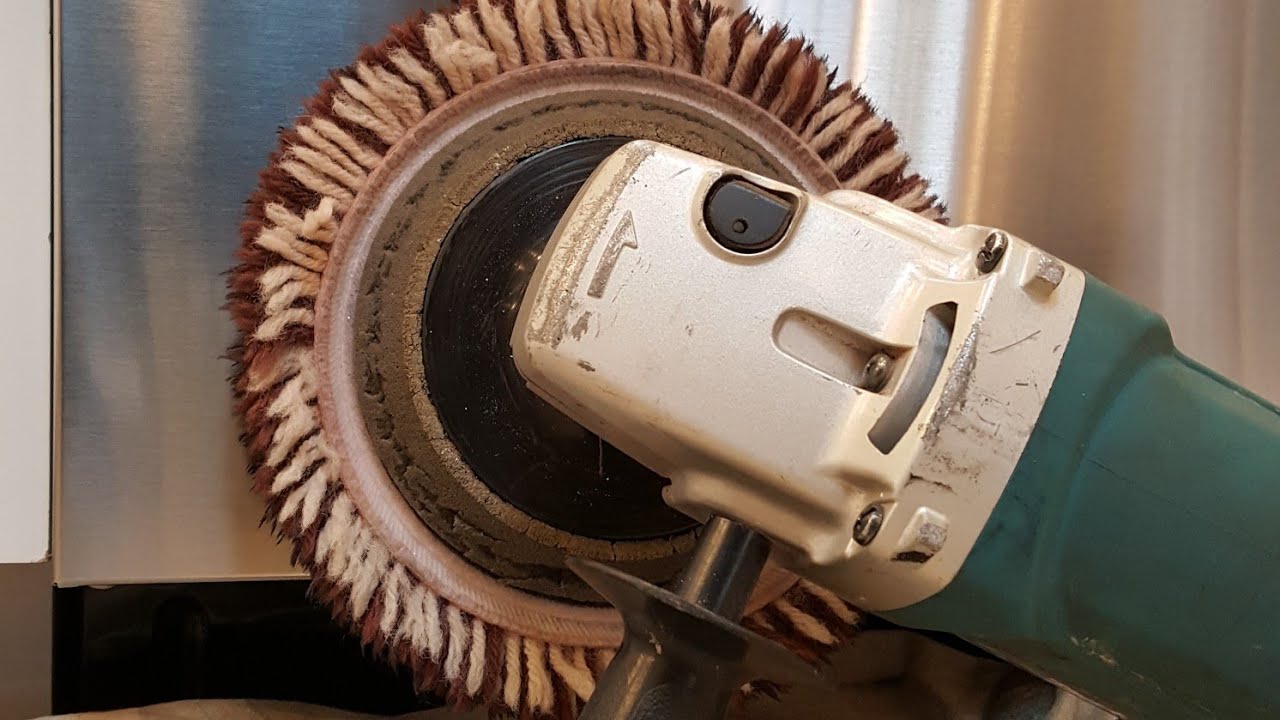
Stainless Steel Appliance Polishing Services in Dallas, TX
Professional cleaning and polishing of stainless steel appliances, surfaces, and equipment. We remove fingerprints, water spots, and grime to restore the shine and protect your investment while maintaining a professional appearance.
Professional stainless steel appliance polishing services for restaurants in Dallas and surrounding areas. We deliver exceptional results that keep your establishment clean, safe, and ready for operation.
Stainless Steel Appliance Polishing Services in Dallas
Stainless steel dominates commercial kitchen design for good reason—this remarkable material resists corrosion, withstands high temperatures, cleans easily, and maintains hygienic surfaces essential for food safety. However, the "stainless" designation doesn't mean maintenance-free. Daily use, harsh cleaning chemicals, hard water, and food acids gradually dull finishes, create scratches, and leave surfaces looking worn despite being structurally sound. Professional stainless steel appliance polishing restores the brilliant appearance that makes commercial kitchens shine while protecting your significant equipment investment.
Why Professional Stainless Steel Polishing Matters
Commercial kitchen equipment represents substantial capital investment. A single professional range, refrigerator, or preparation table can cost thousands of dollars, with complete kitchen builds reaching six or seven figures. Protecting this investment through proper maintenance extends equipment lifespan, maintains warranty coverage, and preserves resale value when equipment upgrades become necessary.
Beyond financial considerations, appearance significantly impacts customer perception in open-kitchen concepts and visible preparation areas. Dallas diners increasingly value transparency in food preparation, with many restaurants designing spaces where guests can observe kitchen operations. Gleaming, well-maintained equipment signals professionalism and attention to detail that translates into customer confidence.
Dallas's unique environment creates particular challenges for stainless steel maintenance. The area's hard water leaves mineral deposits and water spots that etch surfaces over time. High temperatures and humidity during summer months accelerate oxidation and tarnishing. Additionally, the city's competitive restaurant scene means establishments must maintain impeccable appearances to distinguish themselves in a crowded market.
The Science of Stainless Steel Maintenance
Stainless steel achieves its corrosion resistance through chromium content that forms an invisible protective oxide layer on the surface. This passive layer prevents rust and deterioration while creating the characteristic luster. However, improper cleaning, chloride exposure, and physical damage can compromise this protective layer, leading to surface degradation that professional polishing addresses.
Professional polishing goes far beyond wiping with stainless steel cleaner. The process actually works with the material's grain structure, removing minor surface damage, eliminating embedded contaminants, and restoring the protective oxide layer. This restoration prevents further deterioration while bringing back the mirror-like finish that makes professional kitchens visually impressive.
Comprehensive Stainless Steel Polishing Process
Assessment and Surface Evaluation
Professional service begins with thorough evaluation of your stainless steel surfaces. Technicians identify the steel grade (typically 304 or 316 in commercial kitchens), assess current condition including scratches, corrosion, water spots, and chemical damage, and determine appropriate restoration approaches for different equipment types and conditions.
Deep Cleaning and Degreasing
Before polishing can be effective, all grease, food residue, and surface contaminants must be removed. Professional services use commercial-grade degreasers formulated specifically for stainless steel that dissolve accumulated kitchen soils without damaging the protective surface layer. This cleaning addresses areas where daily maintenance cannot reach, including seams, edges, and around hardware.
Scratch and Damage Remediation
Surface scratches, while cosmetic, create locations where corrosion can begin and bacteria can harbor. Professional technicians use progressively finer abrasives working with the steel's grain to blend and minimize visible scratches. This process requires skill and experience—improper technique can create additional damage requiring more extensive restoration.
Polishing and Restoration
Using professional polishing compounds and equipment appropriate for commercial kitchen applications, technicians restore surface luster while eliminating oxidation, water spots, and minor corrosion. The polishing process follows the material's grain direction, creating consistent finish appearance while actually strengthening the protective oxide layer.
Protective Treatment Application
Following polishing, professional services apply protective treatments that extend the time between services. These treatments repel water, resist fingerprint marking, and provide barrier protection against food acids and cleaning chemicals. Quality protective treatments maintain their effectiveness through normal kitchen operations while remaining food-safe.
Hardware and Detail Attention
Knobs, handles, hinges, and trim receive detailed attention during professional service. These high-touch areas accumulate oils and wear quickly, requiring specialized techniques to restore appearance while maintaining function. Technicians also clean and polish fasteners, gaskets, and associated components for complete equipment rejuvenation.
Equipment Types and Specialized Approaches
Cooking Equipment
Ranges, ovens, grills, and fryers face intense heat exposure, grease accumulation, and food acid contact. Professional polishing addresses heat discoloration, carbon buildup, and grease staining while restoring the appearance of control panels, doors, and exterior surfaces. Special attention protects electronic components and ensures no polishing residue affects cooking performance.
Refrigeration Equipment
Refrigerators and freezers require polishing that addresses water spots from condensation, cleaning chemical residue, and handling marks without compromising door seals or insulation. Professional service ensures polished surfaces don't interfere with gasket function or door closing while restoring the appearance customers see when accessing stored items.
Preparation Equipment
Tables, sinks, and work surfaces face cutting, abrasion, and constant use that creates distinctive wear patterns. Professional polishing removes the accumulated marks of daily use while maintaining the sanitary surfaces essential for food preparation. Edge restoration addresses damage from impact and cleaning that commonly affects these workhorses of kitchen operations.
Serving and Display Equipment
Steam tables, warming cabinets, and display cases require polishing that addresses both appearance and food safety considerations. These customer-facing pieces must look immaculate while maintaining surfaces that won't transfer contaminants to serving utensils or food contact areas.
Benefits of Professional Stainless Steel Polishing
Extended Equipment Lifespan: Regular professional polishing prevents the surface degradation that leads to corrosion and structural failure, adding years to equipment service life and delaying costly replacement.
Enhanced Appearance: Restored stainless steel creates the professional aesthetic that impresses customers, supports brand image, and maintains morale among kitchen staff who take pride in their workspace.
Improved Sanitation: Smooth, properly maintained surfaces clean more easily and harbor fewer bacteria than scratched, corroded surfaces with hidden contamination pockets.
Corrosion Prevention: Professional polishing restores and strengthens the protective oxide layer, preventing the rust and pitting that destroy expensive equipment.
Cost Savings: Polishing maintenance costs a fraction of equipment replacement while maintaining warranty coverage that manufacturers may void if maintenance is neglected.
Increased Resale Value: Well-maintained equipment retains significant resale value when kitchen upgrades become necessary, recovering investment dollars that can fund new purchases.
Recommended Polishing Frequency
Professional stainless steel polishing should complement daily maintenance based on equipment use and exposure:
- High-use cooking equipment: Monthly professional polishing to address heat exposure and grease accumulation
- Refrigeration equipment: Quarterly service focusing on water spots and handling marks
- Preparation surfaces: Monthly or quarterly depending on cutting and abrasion exposure
- Display and serving equipment: Monthly polishing maintaining customer-facing appearance
- Complete kitchen restoration: Semi-annual or annual comprehensive service addressing all equipment
Seasonal considerations affect Dallas kitchens—summer humidity and increased cooling loads may accelerate oxidation, while holiday service periods create additional wear requiring post-season attention.
Common Stainless Steel Problems Addressed
Water Spots and Mineral Deposits: Dallas's hard water leaves calcium and magnesium deposits that etch and dull surfaces. Professional polishing removes these deposits and can apply treatments reducing future accumulation.
Heat Discoloration: High cooking temperatures create rainbow or blue discoloration on stainless surfaces. Polishing restores uniform appearance while the process actually indicates proper surface restoration.
Surface Scratches: Daily use creates scratches that trap bacteria and compromise appearance. Professional service blends and minimizes visible scratching while preventing deeper damage.
Chemical Damage: Harsh cleaning products, especially those containing chlorine or chlorides, can damage stainless steel surfaces. Polishing removes damaged material while restoring protective layers.
Oxidation and Tarnish: Environmental exposure, especially in humid Dallas summers, can cause surface oxidation. Professional polishing eliminates tarnish while treatments prevent rapid recurrence.
Daily Maintenance Between Professional Services
Professional polishing works best when supported by proper daily maintenance:
- Clean spills immediately before acids or salts can attack surfaces
- Use appropriate stainless steel cleaners rather than general-purpose products
- Always clean with the grain, never against it
- Use soft cloths or microfiber, never abrasive scrubbers
- Rinse thoroughly after cleaning to remove chemical residue
- Dry surfaces to prevent water spots
- Avoid steel wool or abrasive pads that scratch surfaces
Your professional service provider can recommend specific daily maintenance products and techniques suited to your equipment types and kitchen environment.
Choosing Professional Stainless Steel Polishing Services
When selecting polishing services for your Dallas restaurant, consider:
Material Knowledge: Quality providers understand different stainless steel grades and appropriate techniques for each type, preventing damage while achieving optimal results.
Food Safety Awareness: Restaurant polishing requires products and methods that won't compromise food safety or leave residues affecting food preparation.
Equipment Protection: Professional services protect sensitive components, electronics, and gaskets during polishing, ensuring cosmetic improvement doesn't create functional problems.
Comprehensive Service: Look for providers addressing all kitchen stainless steel rather than spot-treating visible areas, ensuring consistent appearance throughout.
Flexible Scheduling: Select services accommodating your operating schedule, working during closed hours to prevent kitchen disruption.
Professional stainless steel appliance polishing represents essential maintenance for Dallas restaurants seeking to protect equipment investments, maintain professional appearance, and create kitchen environments supporting operational excellence. This specialized service extends equipment life, enhances customer perception, and demonstrates the attention to detail that distinguishes successful establishments.
Benefits of Professional Stainless Steel Polishing
Service Areas for Stainless Steel Appliance Polishing
We provide stainless steel appliance polishing throughout the Dallas-Fort Worth metroplex, including:
Request a Free Quote
Get a customized quote for stainless steel appliance polishing services.
Call Us Today
Speak directly with our team about your stainless steel appliance polishing needs.
1 (214) 817-3776Related Services
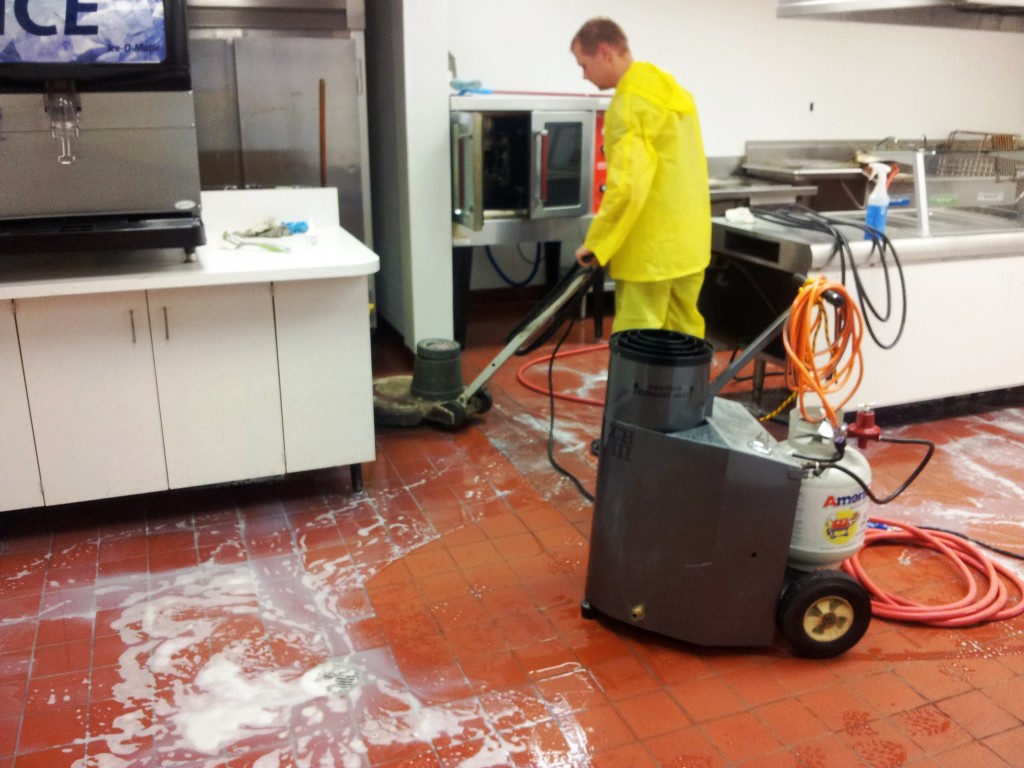
Restaurant Kitchen Deep Cleaning
Comprehensive deep cleaning for restaurant kitchens including floors, walls, equipment, and hard-to-reach areas. We eliminate grease buildup, food residue, and bacteria to ensure a sanitary cooking environment that meets health code standards.
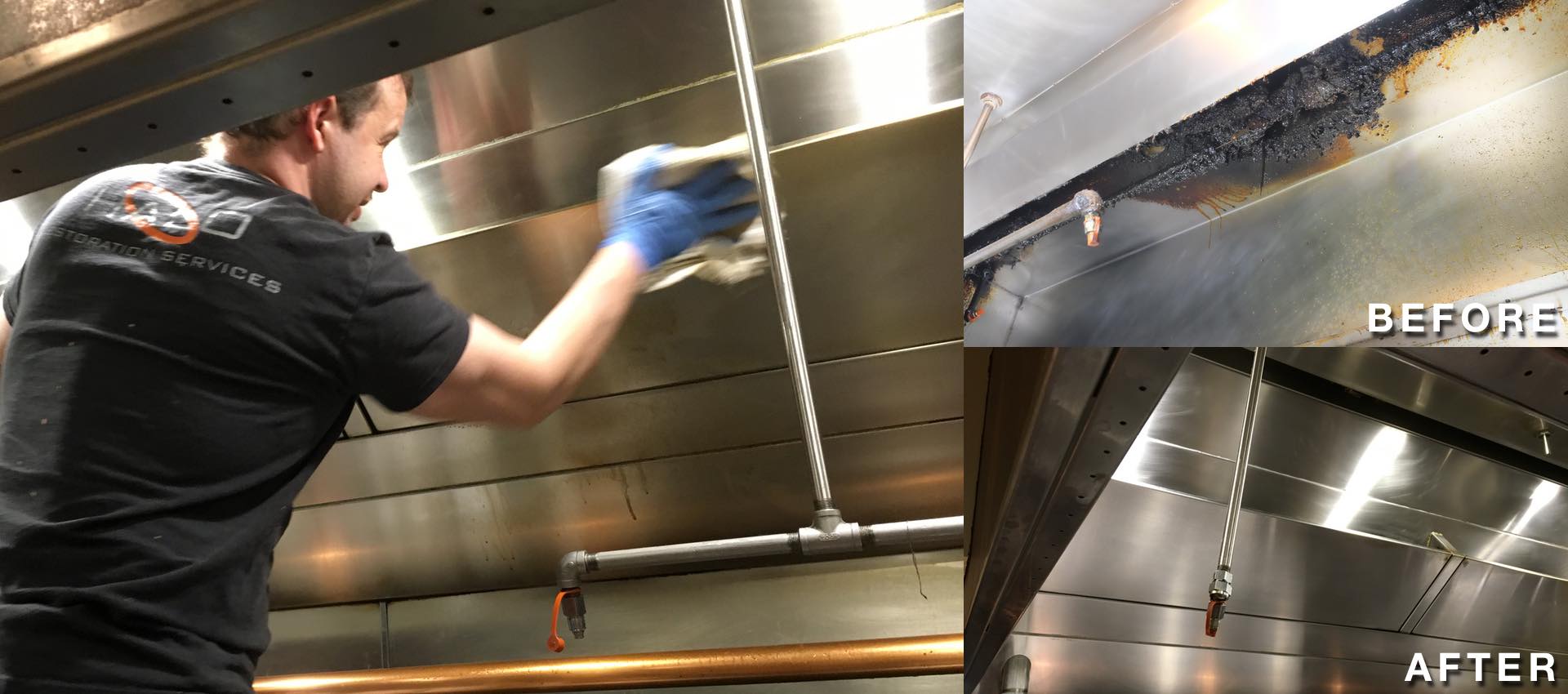
Hood and Vent Cleaning
NFPA-compliant kitchen exhaust system cleaning including hoods, filters, ducts, and fans. Our thorough cleaning removes dangerous grease buildup, reduces fire hazards, and improves ventilation efficiency for a safer kitchen environment.
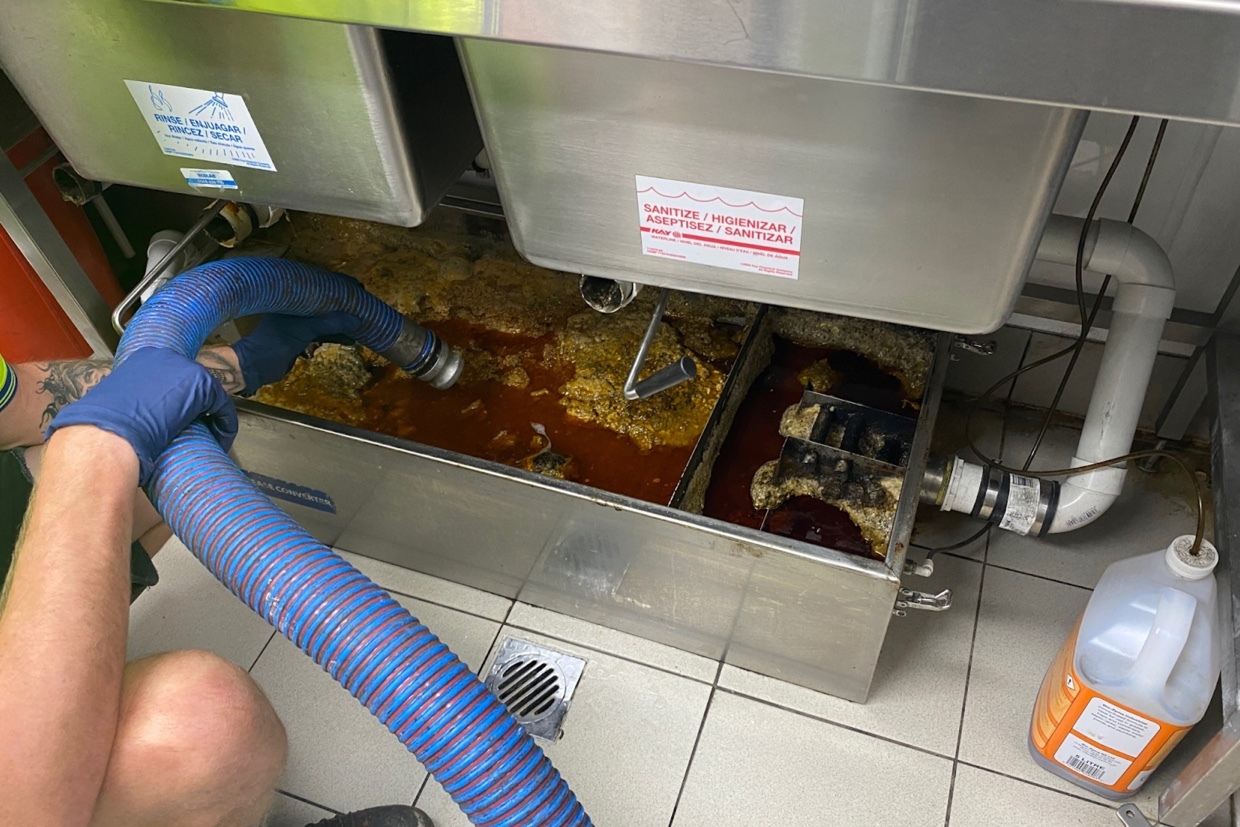
Grease Trap Maintenance
Professional grease trap pumping, cleaning, and maintenance services to prevent clogs, backups, and odors. Regular maintenance helps your restaurant stay compliant with local regulations and keeps your plumbing system running smoothly.
services planning guide
How to plan stainless steel appliance polishing for a food-service facility in Dallas
Restaurant Cleaning Services of Dallas uses the following planning framework to help property managers and business owners turn a request for restaurant, dining-room, and kitchen cleaning into a scope that can be walked, priced, scheduled, and checked. It is designed for practical comparison and does not replace site-specific safety, material, vendor, or regulatory requirements.
Define the Work Before Pricing It
For multi-tenant or mixed-use properties, stainless steel appliance polishing should be divided by responsibility zone. Common areas, tenant suites, back-of-house spaces, loading areas, public restrooms, and restricted rooms can then receive schedules and approval rules that match their actual use. A walkthrough for stainless steel appliance polishing is most productive when the decision-maker identifies the spaces that create complaints, the areas that carry the most traffic, and the tasks the current program misses. Those observations turn a generic checklist into a practical scope tied to the way the property is actually used. Before pricing stainless steel appliance polishing, document exclusions as carefully as inclusions. Exterior work, high access, consumable supplies, waste handling, specialty floor restoration, equipment interiors, and event cleanup can be scheduled correctly only when responsibility is explicit. A commercial scope should distinguish appearance cleaning from hygiene work and asset maintenance. Dust removal, disinfection, floor finish care, glass restoration, and debris control solve different problems, use different processes, and often belong on different frequencies.
Build the Schedule Around Operations
Daytime and after-hours service solve different operational problems. Day porter coverage manages visible conditions while people are present; after-hours crews complete disruptive or time-intensive tasks when work areas can be accessed safely and thoroughly. Access planning is part of service planning. Keys, badges, alarm procedures, loading access, elevator reservations, escort rules, and locked-room approvals should be confirmed before the first stainless steel appliance polishing visit so the crew can complete the full scope without improvising. Recurring stainless steel appliance polishing should include planned periodic work instead of waiting for visible deterioration. Rotating detail tasks through monthly or quarterly cycles protects floors, fixtures, glass, vents, edges, and other zones that routine visits cannot address completely. For Dallas–Fort Worth properties, travel windows and building access can materially affect the usable service period. A realistic schedule accounts for security handoffs and operating deadlines rather than promising a start time that leaves too little time to finish.
Make Quality Control Observable
Before-and-after documentation is especially valuable for one-time or restorative stainless steel appliance polishing. It establishes the starting condition, records the completed result, and helps the facility manager decide whether a recurring maintenance cycle would prevent the same buildup. Consistent crew assignments improve stainless steel appliance polishing because the team learns access routines, material sensitivities, recurring problem areas, and the expectations of the facility contact. Coverage plans are still necessary for absences so consistency does not depend on one individual. Quality control works best when it is tied to the site-specific scope. A supervisor can inspect completion against named rooms and outcomes, record exceptions, assign corrections, and identify patterns that require a change in staffing, tools, or frequency. Inspection frequency should reflect the complexity of the account. A small weekly office may need periodic supervisory review, while a high-traffic or regulated environment may require documented checks several times each week.
Match Methods to Materials and Risk
Color-coded cloths, pads, and tools can reduce cross-use between restrooms, food areas, workspaces, and public surfaces. The exact system matters less than having a documented method the crew can follow consistently. A material-safety discussion should include storage and labeling. Facility contacts should know where products and equipment will be kept, which rooms remain accessible to occupants, and how spills or damaged containers are reported. Equipment should be selected for the facility rather than for convenience. HEPA filtration, low-moisture extraction, auto-scrubbing, water-fed poles, pressure equipment, or detail tools may be appropriate depending on access, surface, soil, and reopening time. For sensitive or newly installed materials, a small test area can prevent expensive mistakes. The service plan should identify who approves the test result before broader cleaning or restoration proceeds.
Use the Walkthrough to Build the Scope
The walkthrough should follow the facility’s traffic pattern from entrances through work areas, restrooms, support rooms, and exits. This reveals where soil enters, where it concentrates, and which tasks must be completed in a particular order. For larger properties, divide the walkthrough into zones and record the floor type, use, occupancy, and desired frequency for each. This produces a proposal that can be adjusted by zone without rewriting the entire program. Access and safety constraints should be demonstrated, not merely mentioned. Alarm panels, loading doors, restricted areas, waste points, water access, electrical access, and equipment storage can change the labor plan materially. If the requested stainless steel appliance polishing includes restorative work, identify the difference between a first-service reset and ongoing maintenance. Startup work may require additional labor that should not be hidden inside the recurring visit price.
Put the Service Agreement in Writing
The agreement should explain how additional work is approved. Emergency cleanup, event service, construction dust, floor restoration, and extra porter coverage should not be performed or billed through an informal request that no one can later verify. The agreement should state how holidays, weather closures, and client-requested skips are handled. These events affect visit counts and staffing, and the billing treatment should be clear before the first calendar exception. A commercial cleaning agreement should attach or reproduce the approved scope, frequency, service window, periodic task calendar, supply responsibilities, access rules, and communication contacts. The written detail protects both the property and the service team. Service-level expectations should be realistic and observable. A promise of “perfect cleaning” is less useful than response times, inspection routines, named completion outcomes, and an escalation process for repeated deficiencies.
Plan for Dallas Facility Conditions
Fast regional growth creates frequent move-ins, renovations, tenant turnovers, and occupancy changes. The cleaning scope should be reviewed when a property changes use instead of assuming the previous tenant’s schedule remains appropriate. A local service plan should account for the property’s immediate environment. Construction nearby, open parking, landscaping, loading activity, and pedestrian traffic can change how quickly dust and debris return after a visit. DFW traffic makes realistic arrival windows important, especially when a crew must meet security or elevator access at a fixed time. The plan should protect enough on-site time to complete the work rather than compressing the scope after a delayed handoff. Storm seasons can create short-notice needs around entrances, exterior glass, tracked moisture, construction material, and debris. A recurring account should know how to request work outside the normal scope and whether priority response is available.
Compare Providers on More Than Price
A pilot or structured startup can be useful when the facility is complex or the current condition is uncertain. Define what will be evaluated, how long the evaluation lasts, and what information determines the permanent scope. Ask each provider to explain staffing assumptions, visit length, supervision, equipment, and the process for covering absences. The answer reveals whether the proposal is an operating plan or simply a price attached to a task list. Consider the cost of under-scoping. Persistent complaints, damaged finishes, emergency restoration, staff time spent supervising the vendor, and repeated provider changes can cost more than a properly designed recurring program. The final decision should align service frequency with the facility’s real use. Buying fewer visits than the property needs creates visible decline; buying unnecessary frequency wastes budget that could be directed to periodic or high-priority work.
Start, Measure, and Adjust the Program
Closeout reporting should match the account’s complexity. A small property may need simple completion confirmation; a larger or specialized account may need inspection notes, issue photographs, supply alerts, and a record of periodic tasks. A stable program still needs review after renovations, staffing growth, seasonal traffic, operating-hour changes, or new equipment. Each change can alter soil load, access, or the time available for stainless steel appliance polishing. Periodic tasks should be placed on a calendar at startup. Floor work, carpet extraction, glass detailing, vent cleaning, high dusting, pressure cleaning, and other rotating services are easier to budget when dates are planned. After the first service cycle, compare actual labor and facility condition with the proposal assumptions. If the original scope was inaccurate, adjust it openly rather than expecting quality to survive an unrealistic workload.
Bring to the walkthrough
- Approximate square footage, floor plan, and operating hours
- Current frequency, known complaints, and priority areas
- Flooring and surface notes, restricted rooms, and access rules
- Desired start date, budget constraints, and approval contacts
Expect in a written proposal
- Task scope by zone and visit frequency
- Service windows, periodic work, and supply responsibility
- Quality checks, communication, and correction procedures
- Pricing assumptions, exclusions, and change-order rules