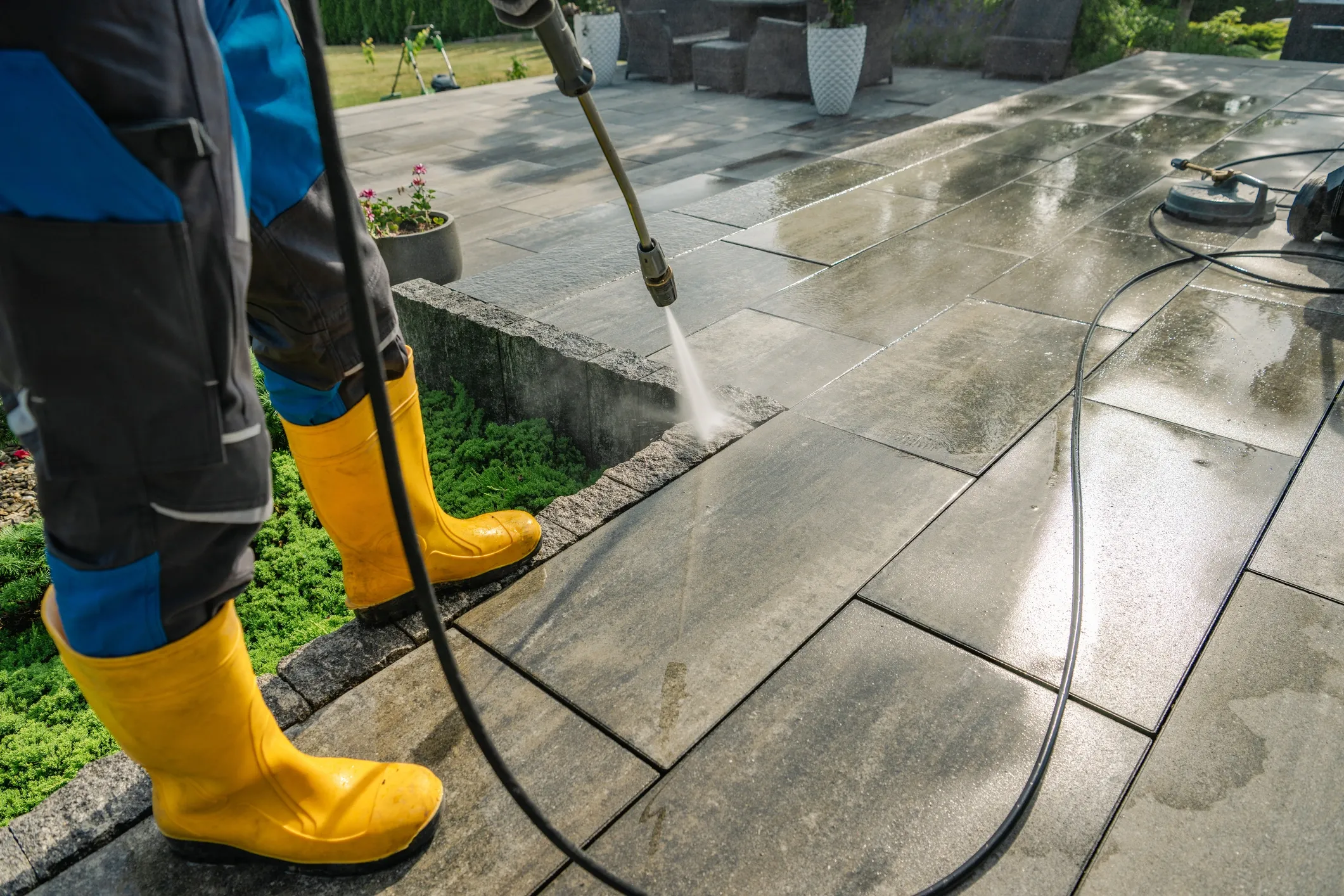
Restaurant Patio & Sidewalk Pressure Washing in Dallas, TX
High-pressure washing for outdoor dining areas, patios, sidewalks, and entryways. We remove grease stains, gum, dirt, and grime to create an inviting exterior that enhances your restaurant's curb appeal.
Professional outdoor patio and sidewalk pressure washing services for restaurants in Dallas and surrounding areas. We deliver exceptional results that keep your establishment clean, safe, and ready for operation.
Outdoor Patio and Sidewalk Pressure Washing Services in Dallas
Outdoor dining spaces have become essential revenue generators for Dallas restaurants, with patios, decks, and sidewalk seating expanding capacity and attracting customers seeking al fresco experiences. However, these exterior surfaces face intense exposure to weather, foot traffic, food service, and environmental contaminants that quickly diminish appearance and create slip hazards. Professional pressure washing restores these spaces to welcoming conditions while protecting the investment restaurants make in attractive outdoor environments.
The Importance of Exterior Surface Maintenance
First impressions begin before customers enter your restaurant. Dingy sidewalks, stained patios, and algae-covered surfaces signal neglect and potentially deter guests before they experience your food or service. Conversely, pristine exterior spaces invite entry and create positive expectations that carry through the dining experience.
Dallas restaurants face particular exterior maintenance challenges. Intense Texas sun fades and degrades surface finishes. Sudden storms deposit leaves, debris, and standing water. Pollen seasons coat surfaces with yellow film that becomes embedded without proper cleaning. The city's active restaurant scene means customers have abundant choices, making exterior appearance a competitive differentiator.
Beyond appearance, safety represents a critical concern. Algae, mildew, and food residue create slippery surfaces that pose liability risks. Grease accumulation from outdoor cooking areas creates fire hazards. Professional pressure washing addresses these safety concerns while restoring aesthetic appeal.
Comprehensive Pressure Washing Services
Patio and Deck Cleaning
Outdoor dining surfaces receive thorough cleaning removing food spills, beverage stains, gum, and organic growth. Professional pressure washing adjusts technique and pressure for different materials—concrete, pavers, natural stone, wood, or composite decking—cleaning effectively without surface damage. This includes attention to joints, edges, and transition areas where soil accumulates.
Sidewalk and Entryway Washing
Customer pathways from parking areas to entrances require regular cleaning to remove tracked dirt, gum, and environmental debris. Professional services address concrete, decorative pavers, and other walkway materials, creating clean approaches that welcome guests.
Grease and Food Service Area Cleaning
Outdoor cooking stations, smoker areas, and food service zones accumulate substantial grease and food residue. Professional pressure washing uses degreasing agents and appropriate pressure to remove these accumulations safely, addressing both appearance and fire safety concerns.
Furniture and Fixture Restoration
Outdoor furniture, umbrellas, awnings, and fixtures receive appropriate cleaning for their materials. This removes mildew, pollen, bird droppings, and environmental film that detracts from appearance and creates unsanitary conditions for customer use.
Wall and Exterior Surface Cleaning
Building exteriors, signage, and architectural features visible from outdoor dining areas receive cleaning that maintains appearance consistency. This includes removal of cobwebs, environmental staining, and organic growth that accumulates on vertical surfaces.
Parking Area and Dumpster Pad Cleaning
While not customer-facing, these areas affect overall property appearance and can create odors that reach dining spaces. Professional service maintains these areas appropriately, supporting overall property management.
Pressure Washing Techniques and Equipment
Surface-Appropriate Pressure
Professional services match pressure to surface type and condition. Concrete can withstand high pressure while pavers require careful technique to avoid joint damage. Wood and composite decking need lower pressure with wider fan patterns preventing surface scarring.
Hot Water Capability
Professional equipment generates heated water that dissolves grease and organic matter more effectively than cold water alone. This capability is essential for restaurant applications where food service creates challenging cleaning requirements.
Chemical Application
Appropriate cleaning agents enhance pressure washing effectiveness. Professional services use biodegradable degreasers, algaecides, and surface brighteners formulated for commercial applications, applying proper dwell times before rinsing.
Water Recovery
Dallas regulations may require capture and proper disposal of wash water containing grease, chemicals, or contaminants. Professional services employ water recovery systems when necessary, ensuring compliance with environmental regulations.
Soft Wash Applications
For delicate surfaces or significant organic growth, soft wash techniques apply cleaning solutions at low pressure, allowing chemistry to do the work rather than force. This approach protects surfaces while effectively eliminating mildew, algae, and staining.
Seasonal Considerations for Dallas Restaurants
Spring Pollen Season: Dallas's heavy spring pollen coats exterior surfaces, creating yellow film that requires thorough cleaning once pollen season concludes.
Summer Heat Preparation: Pre-summer washing removes accumulated debris before intense heat bakes residues into surfaces, making subsequent cleaning more difficult.
Fall Leaf Removal: Autumn debris accumulation requires prompt cleaning to prevent staining and organic matter decomposition.
Winter Preparation: Late fall washing removes materials that could freeze, expand, and damage surfaces during Dallas's occasional cold snaps.
Post-Storm Service: Following severe weather, rapid pressure washing restores appearance and removes debris before it damages surfaces or creates hazards.
Benefits of Professional Pressure Washing
Enhanced Curb Appeal: Clean exterior spaces attract customers and create positive first impressions that support overall brand image and marketing efforts.
Safety Improvement: Removal of slippery algae, grease, and debris reduces slip-and-fall hazards, protecting customers and reducing liability exposure.
Surface Protection: Regular cleaning prevents the degradation that occurs when organic matter, chemicals, and soils remain on surfaces, extending the life of expensive patio and walkway installations.
Pest Deterrence: Removal of food residue and organic matter eliminates attractants for insects, rodents, and birds that can create nuisance and health hazards.
Health Department Compliance: Clean exterior spaces support overall facility sanitation ratings and demonstrate commitment to comprehensive cleanliness.
Revenue Protection: Attractive outdoor dining spaces maintain their revenue-generating capacity, whereas poorly maintained patios lose customer appeal and utilization.
Recommended Service Frequency
Pressure washing frequency depends on usage, location, and environmental factors:
- High-traffic patios: Monthly washing maintaining appearance through heavy use
- Standard outdoor dining: Quarterly service addressing seasonal accumulation
- Sidewalks and entries: Monthly to quarterly depending on foot traffic and environmental exposure
- Grease service areas: Monthly cleaning preventing hazardous accumulation
- Annual restoration: Comprehensive service including sealing or protective treatment application
Dallas's dusty environment, active pollen seasons, and intense sun may necessitate more frequent service during challenging periods.
Surface Protection and Maintenance
Following pressure washing, protective treatments extend cleanliness duration:
Sealing: Concrete, pavers, and natural stone benefit from sealers that resist staining and simplify future cleaning.
Stain Protection: Fabric awnings, umbrellas, and cushions receive treatments repelling water and preventing mold growth.
Wood Preservation: Wooden decks and furniture require staining or sealing following cleaning to prevent weather damage.
Metal Protection: Wrought iron and metal furniture receive appropriate treatments preventing rust following washing.
Choosing Professional Pressure Washing Services
When selecting exterior cleaning services in Dallas, evaluate:
Restaurant Experience: Food service environments present unique cleaning challenges; select providers understanding grease, food safety, and hospitality requirements.
Equipment Capability: Ensure your provider has commercial-grade equipment including hot water capability and appropriate pressure ranges for your surfaces.
Surface Knowledge: Quality providers understand different materials and adjust techniques accordingly, preventing damage while achieving thorough cleaning.
Environmental Compliance: Verify your provider follows water recovery and disposal regulations protecting your business from environmental liability.
Insurance and Protection: Confirm appropriate liability coverage protecting your property during high-pressure cleaning operations.
Flexible Scheduling: Select services accommodating your operating hours, working during closed periods or slow times to prevent business disruption.
Professional outdoor pressure washing represents essential maintenance for Dallas restaurants with exterior dining spaces. This service protects your exterior investment, ensures customer safety, maintains attractive appearance, and supports the revenue-generating capacity of outdoor dining that has become crucial to restaurant success in the Dallas market.
Benefits of Professional Pressure Washing
Service Areas for Outdoor Patio and Sidewalk Pressure Washing
We provide outdoor patio and sidewalk pressure washing throughout the Dallas-Fort Worth metroplex, including:
Request a Free Quote
Get a customized quote for outdoor patio and sidewalk pressure washing services.
Call Us Today
Speak directly with our team about your outdoor patio and sidewalk pressure washing needs.
1 (214) 817-3776Related Services
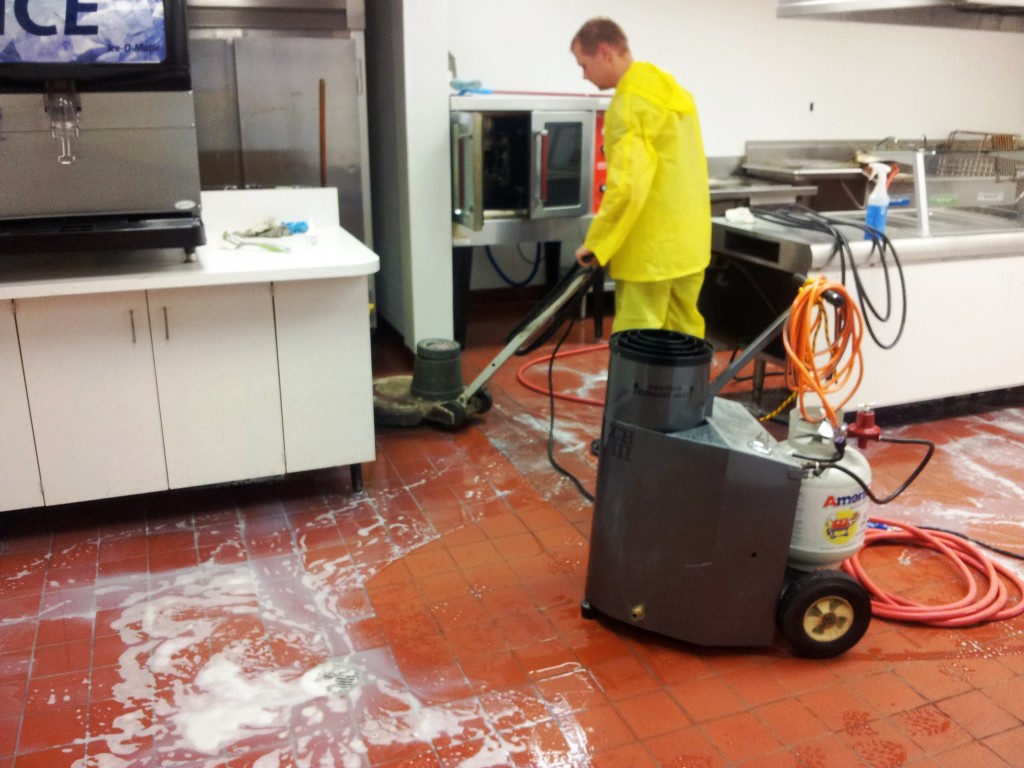
Restaurant Kitchen Deep Cleaning
Comprehensive deep cleaning for restaurant kitchens including floors, walls, equipment, and hard-to-reach areas. We eliminate grease buildup, food residue, and bacteria to ensure a sanitary cooking environment that meets health code standards.
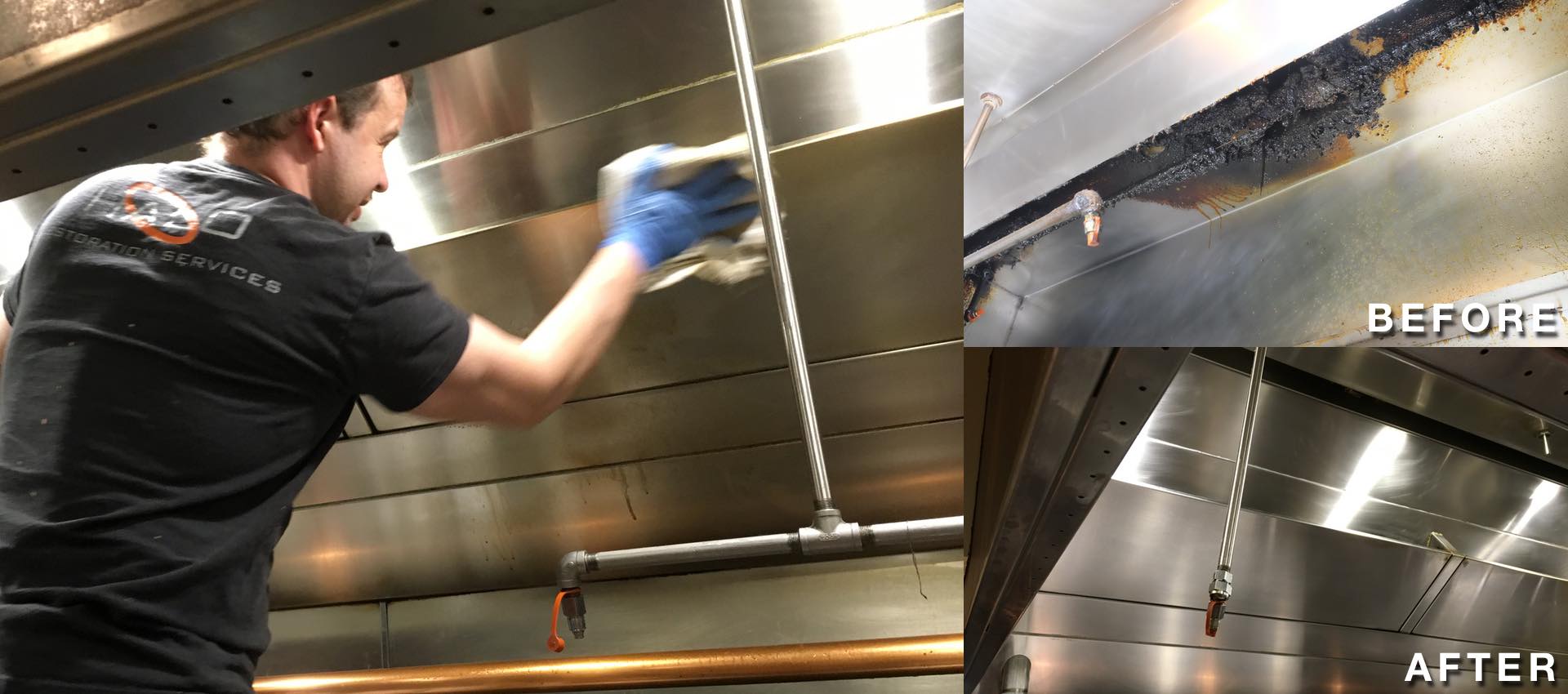
Hood and Vent Cleaning
NFPA-compliant kitchen exhaust system cleaning including hoods, filters, ducts, and fans. Our thorough cleaning removes dangerous grease buildup, reduces fire hazards, and improves ventilation efficiency for a safer kitchen environment.
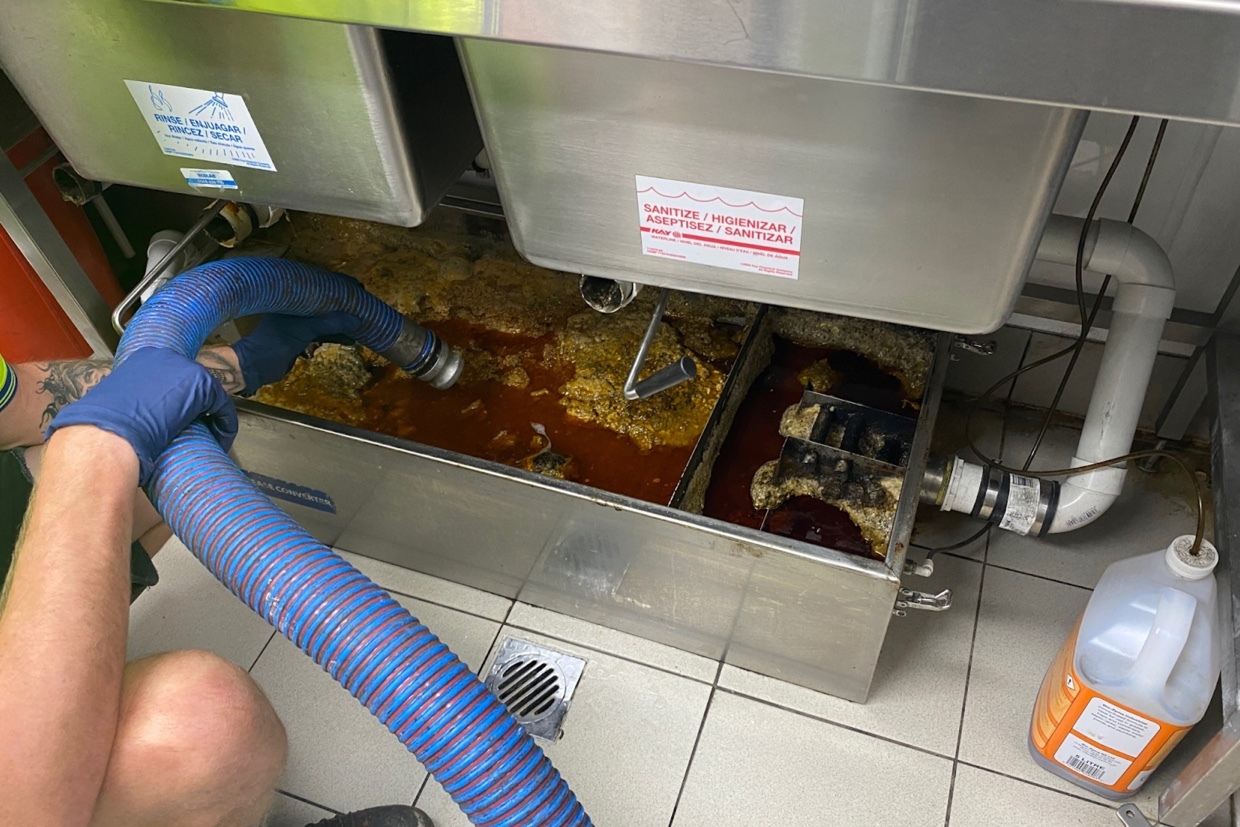
Grease Trap Maintenance
Professional grease trap pumping, cleaning, and maintenance services to prevent clogs, backups, and odors. Regular maintenance helps your restaurant stay compliant with local regulations and keeps your plumbing system running smoothly.
services planning guide
How to plan outdoor patio and sidewalk pressure washing for a food-service facility in Dallas
Restaurant Cleaning Services of Dallas uses the following planning framework to help property managers and business owners turn a request for restaurant, dining-room, and kitchen cleaning into a scope that can be walked, priced, scheduled, and checked. It is designed for practical comparison and does not replace site-specific safety, material, vendor, or regulatory requirements.
Define the Work Before Pricing It
Change orders are easier to avoid when the initial outdoor patio and sidewalk pressure washing proposal records current conditions. Photographs, floor-type notes, access limitations, and known buildup give both sides a shared baseline for deciding what belongs in startup work and what belongs in recurring maintenance. Square footage alone does not define the effort required for outdoor patio and sidewalk pressure washing. Occupancy, floor materials, restroom count, food or production activity, security procedures, furniture density, and the time available between closing and reopening all affect labor and equipment planning. A commercial scope should distinguish appearance cleaning from hygiene work and asset maintenance. Dust removal, disinfection, floor finish care, glass restoration, and debris control solve different problems, use different processes, and often belong on different frequencies. For multi-tenant or mixed-use properties, outdoor patio and sidewalk pressure washing should be divided by responsibility zone. Common areas, tenant suites, back-of-house spaces, loading areas, public restrooms, and restricted rooms can then receive schedules and approval rules that match their actual use.
Build the Schedule Around Operations
A dependable plan includes a method for reporting schedule changes. The facility contact should know whom to notify, how much lead time is needed, and how missed or added visits affect the monthly program before an urgent request arises. A nightly, daily, weekly, or project schedule changes more than visit frequency. It changes how much soil accumulates between visits, which tools are appropriate, how long each visit takes, and whether periodic deep work must be layered into the agreement. Daytime and after-hours service solve different operational problems. Day porter coverage manages visible conditions while people are present; after-hours crews complete disruptive or time-intensive tasks when work areas can be accessed safely and thoroughly. Facilities with irregular occupancy should use a flexible service calendar. Seasonal traffic, events, construction phases, tenant move-ins, inventory cycles, and weather can all create temporary cleaning demand that a rigid schedule will miss.
Make Quality Control Observable
Useful performance conversations separate an isolated miss from a recurring process failure. One unemptied bin requires correction; repeated misses in the same wing may indicate unclear zoning, inadequate time, or a checklist that does not match the building. A single complaint channel prevents service issues from disappearing between building occupants, property management, and the cleaning crew. Requests should be logged with the location, task, urgency, and desired completion time so the response can be verified. Inspection frequency should reflect the complexity of the account. A small weekly office may need periodic supervisory review, while a high-traffic or regulated environment may require documented checks several times each week. Quality control works best when it is tied to the site-specific scope. A supervisor can inspect completion against named rooms and outcomes, record exceptions, assign corrections, and identify patterns that require a change in staffing, tools, or frequency.
Match Methods to Materials and Risk
Dwell time and physical removal are central to effective cleaning. A product cannot perform as intended if it is wiped away immediately, and loosened soil still needs to be removed with clean tools rather than redistributed across the surface. For sensitive or newly installed materials, a small test area can prevent expensive mistakes. The service plan should identify who approves the test result before broader cleaning or restoration proceeds. A material-safety discussion should include storage and labeling. Facility contacts should know where products and equipment will be kept, which rooms remain accessible to occupants, and how spills or damaged containers are reported. Equipment should be selected for the facility rather than for convenience. HEPA filtration, low-moisture extraction, auto-scrubbing, water-fed poles, pressure equipment, or detail tools may be appropriate depending on access, surface, soil, and reopening time.
Use the Walkthrough to Build the Scope
Bring a current floor plan, operating schedule, and list of known problem areas to the walkthrough. These details help Restaurant Cleaning Services of Dallas organize outdoor patio and sidewalk pressure washing around actual conditions instead of estimating from square footage and a short phone description. A useful walkthrough ends with next steps: who will receive the written scope, who can approve revisions, whether a second technical visit is required, and what information is still needed before pricing is final. Ask department leads or regular occupants where cleaning failures are most visible. Facility managers often know the formal complaints, while daily users can identify recurring issues such as neglected corners, supply shortages, or timing conflicts. Access and safety constraints should be demonstrated, not merely mentioned. Alarm panels, loading doors, restricted areas, waste points, water access, electrical access, and equipment storage can change the labor plan materially.
Put the Service Agreement in Writing
Cancellation, renewal, and notice terms deserve the same attention as the cleaning checklist. A facility manager comparing proposals should understand the initial term, renewal method, price-review process, and the notice required to change or end service. Service-level expectations should be realistic and observable. A promise of “perfect cleaning” is less useful than response times, inspection routines, named completion outcomes, and an escalation process for repeated deficiencies. The agreement should state how holidays, weather closures, and client-requested skips are handled. These events affect visit counts and staffing, and the billing treatment should be clear before the first calendar exception. Pricing should state whether it is monthly, per visit, hourly, or project based and should identify the assumptions behind it. Changes in occupied square footage, frequency, access time, or task scope need an agreed method for repricing.
Plan for Dallas Facility Conditions
Heat and air-conditioning runtime can increase dust movement through vents, ledges, high surfaces, and return-air zones. Periodic detail work should be scheduled before accumulation becomes visible or begins cycling back into occupied areas. Storm seasons can create short-notice needs around entrances, exterior glass, tracked moisture, construction material, and debris. A recurring account should know how to request work outside the normal scope and whether priority response is available. A local service plan should account for the property’s immediate environment. Construction nearby, open parking, landscaping, loading activity, and pedestrian traffic can change how quickly dust and debris return after a visit. Fast regional growth creates frequent move-ins, renovations, tenant turnovers, and occupancy changes. The cleaning scope should be reviewed when a property changes use instead of assuming the previous tenant’s schedule remains appropriate.
Compare Providers on More Than Price
The final decision should align service frequency with the facility’s real use. Buying fewer visits than the property needs creates visible decline; buying unnecessary frequency wastes budget that could be directed to periodic or high-priority work. References are most useful when the compared account resembles the property in size, use, and schedule. A successful small office account does not by itself demonstrate the systems needed for a large, high-traffic, or specialized facility. When comparing outdoor patio and sidewalk pressure washing proposals, normalize the scope before comparing price. A lower monthly number may exclude periodic work, supplies, supervision, floor care, or enough labor to complete the stated checklist. A pilot or structured startup can be useful when the facility is complex or the current condition is uncertain. Define what will be evaluated, how long the evaluation lasts, and what information determines the permanent scope.
Start, Measure, and Adjust the Program
A stable program still needs review after renovations, staffing growth, seasonal traffic, operating-hour changes, or new equipment. Each change can alter soil load, access, or the time available for outdoor patio and sidewalk pressure washing. Periodic tasks should be placed on a calendar at startup. Floor work, carpet extraction, glass detailing, vent cleaning, high dusting, pressure cleaning, and other rotating services are easier to budget when dates are planned. The first visit should not be treated as an ordinary maintenance visit when buildup already exists. Startup cleaning establishes a maintainable baseline and gives the crew a realistic view of the time required for future service. After the first service cycle, compare actual labor and facility condition with the proposal assumptions. If the original scope was inaccurate, adjust it openly rather than expecting quality to survive an unrealistic workload.
Bring to the walkthrough
- Approximate square footage, floor plan, and operating hours
- Current frequency, known complaints, and priority areas
- Flooring and surface notes, restricted rooms, and access rules
- Desired start date, budget constraints, and approval contacts
Expect in a written proposal
- Task scope by zone and visit frequency
- Service windows, periodic work, and supply responsibility
- Quality checks, communication, and correction procedures
- Pricing assumptions, exclusions, and change-order rules