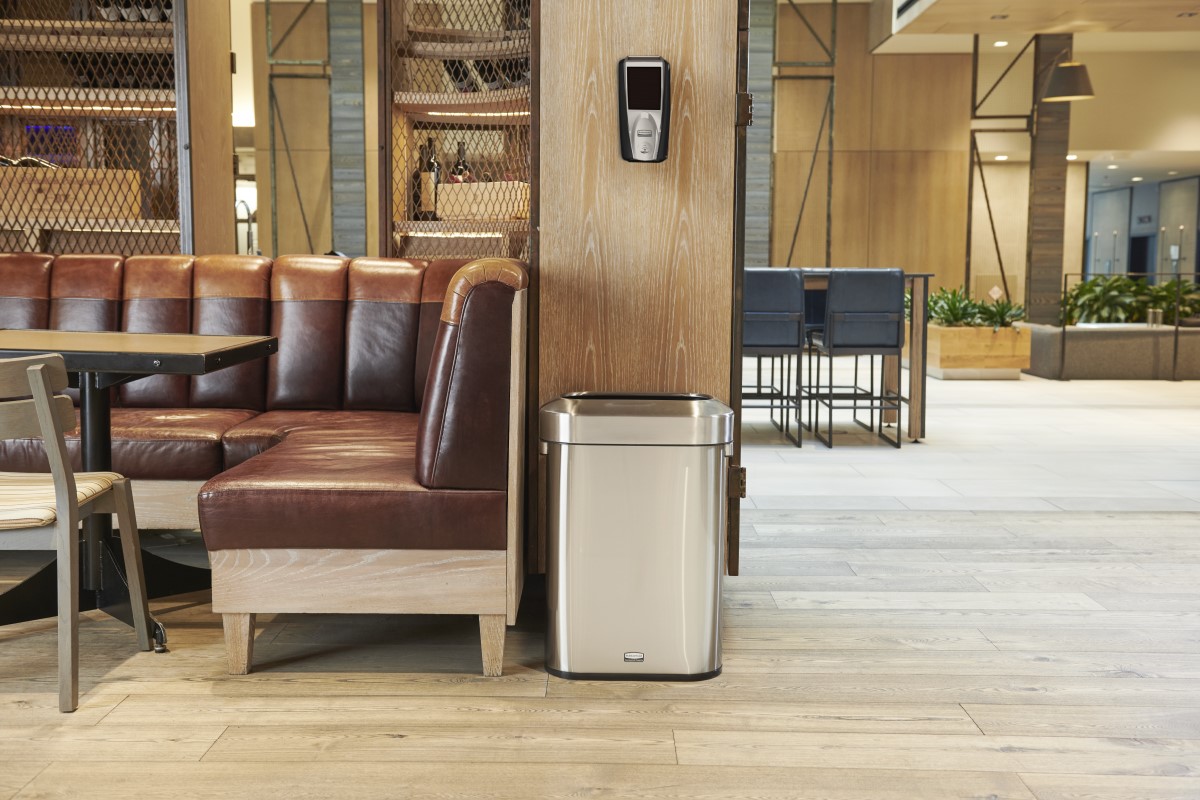
Bar and Lounge Disinfection Services in Dallas
Comprehensive cleaning and disinfection of bar areas, lounges, and cocktail stations including counters, taps, glassware storage, and seating areas. We ensure a sanitized environment where your patrons can relax and enjoy.
Professional bar and lounge disinfection services for restaurants in Dallas and surrounding areas. We deliver exceptional results that keep your establishment clean, safe, and ready for operation.
Bar and Lounge Disinfection Services in Dallas
Bar and lounge areas present unique sanitation challenges that differ significantly from standard dining rooms. These spaces feature high-touch surfaces constantly contacted by multiple patrons, complex equipment requiring specialized cleaning, and environments where food safety intersects with beverage service protocols. Professional bar and lounge disinfection services address these distinctive requirements while maintaining the ambiance and atmosphere that draw guests to these social spaces.
The Unique Sanitation Challenges of Bar Environments
Bar areas concentrate risk factors that make professional disinfection essential. Patrons gather closely at bars, sharing space and contacting the same surfaces repeatedly. Glassware, garnishes, and bar tools move continuously between customer contact and food preparation. Ice machines, soda guns, and beer taps create moist environments where bacteria proliferate. The social nature of bar venues means patrons may stay for extended periods, increasing exposure time to any environmental contaminants.
Dallas's vibrant nightlife scene creates particular demands for bar sanitation. The city's numerous entertainment districts, sports venues, and convention traffic generate high-volume bar service where contamination risks multiply rapidly. Additionally, Dallas's warm climate means bars operate air conditioning systems continuously, creating ventilation and air quality considerations that affect overall environmental hygiene.
Comprehensive Bar Area Disinfection
Bar Top and Counter Sanitization
Bar surfaces receive constant contact from patron hands, glassware, and personal items. Professional disinfection uses food-safe sanitizers effective against common pathogens while being safe for surfaces contacting beverages and garnishes. This service addresses the entire bar surface including edges, corners, and areas behind equipment where daily cleaning cannot reach.
Equipment and Tool Disinfection
Blenders, mixers, ice machines, and preparation equipment harbor bacteria in seams, gaskets, and internal components. Professional services disassemble equipment where possible, cleaning and sanitizing all food-contact surfaces. This includes soda gun nozzles, beer tap handles, and dispensing equipment that daily bar maintenance often overlooks.
Ice Machine Cleaning and Sanitization
Ice machines present particular sanitation challenges due to constant moisture and difficult-to-access internal components. Professional service includes thorough cleaning of ice bins, augers, evaporators, and water distribution systems. This eliminates biofilm development, prevents mold growth, and ensures ice purity meeting health department standards.
Glassware Storage and Handling Areas
Glass racks, storage shelves, and washing areas receive complete disinfection. Professional services address the bacterial buildup that occurs in glass storage while ensuring handling areas don't recontaminate freshly washed glassware.
Back Bar and Bottle Management
Liquor bottles, speed rails, and back bar shelving accumulate sticky residue, dust, and bacterial films. Professional disinfection removes these accumulations while organizing bottle placement for optimal sanitation and operational efficiency.
High-Touch Surface Detail
Menus, payment terminals, railings, and seating receive thorough disinfection. These frequently contacted surfaces transfer germs between patrons and staff, requiring professional-grade sanitization beyond daily wiping.
Lounge Area Sanitization
Seating and Upholstery Treatment
Bar seating including stools, chairs, and booth seating harbors bacteria, odors, and stains from heavy use. Professional services clean and disinfect upholstery, leather, and hard seating surfaces while treating odors at their source.
Table and Surface Disinfection
Lounge tables, ledges, and surfaces receive food-safe disinfection appropriate for environments where snacks and beverages are consumed. This includes attention to table bases, supports, and undersides that daily cleaning misses.
Floor and Traffic Area Cleaning
Bar floors face unique challenges from liquid spills, food debris, and high heels that drive contamination into floor surfaces. Professional cleaning addresses tile, concrete, or other flooring types while sanitizing baseboards and floor-level surfaces.
Entertainment Equipment Sanitization
For bars featuring games, televisions, or audio equipment, professional services clean and disinfect remotes, controllers, touchscreens, and equipment surfaces contacted by multiple patrons.
Health and Safety Benefits
Pathogen Control: Professional disinfection eliminates bacteria including E. coli, Salmonella, and Staphylococcus that can transfer through bar environments. This protection extends to both patrons and staff who work long hours in these spaces.
Mold and Mildew Prevention: Moist environments around ice machines, sinks, and beverage lines create conditions where mold develops. Professional service prevents these health hazards while eliminating musty odors that detract from bar ambiance.
Cross-Contamination Prevention: Proper disinfection prevents transfer of contaminants between raw ingredients, garnishes, and prepared beverages that could affect customer health.
Pest Deterrence: Thorough cleaning removes food residues and organic matter that attract fruit flies, roaches, and other pests common in bar environments.
Regulatory Compliance Considerations
Dallas County health regulations apply to bar areas serving food or utilizing ice in beverage preparation. Professional disinfection ensures compliance with:
- Ice machine sanitation requirements
- Food contact surface standards
- Handwashing facility maintenance
- General facility cleanliness mandates
Documentation of professional service supports inspection preparedness and demonstrates commitment to patron safety.
Specialized Service for Different Bar Types
Sports Bars: High-volume, high-turnover environments require rapid, thorough disinfection addressing the intense use these facilities experience during games and events.
Cocktail Lounges: Upscale venues demand meticulous attention to appearance while maintaining rigorous sanitation standards appropriate for craft cocktail preparation.
Hotel Bars: Facilities serving guests around the clock require flexible disinfection scheduling that maintains standards without disrupting 24-hour operations.
Entertainment Venues: Bars in theaters, concert halls, or event spaces face concentrated use during performances requiring intensive post-event disinfection.
Outdoor/Patio Bars: Dallas's popular outdoor bar areas face environmental contamination from pollen, dust, and weather exposure requiring specialized cleaning protocols.
Recommended Service Frequency
Bar and lounge disinfection should supplement daily bar maintenance:
- Nightly closing: Surface wiping, spill response, and basic sanitization
- Weekly: Deep equipment cleaning, ice machine attention, and upholstery spot treatment
- Monthly: Comprehensive disinfection including hard-to-reach areas, equipment disassembly, and thorough lounge treatment
- Quarterly: Complete restoration including floor care, detailed equipment service, and protective treatment application
High-volume establishments, venues with food service, and bars operating during Dallas's busy event seasons may require more frequent professional attention.
Odor Control and Ambiance Preservation
Professional bar disinfection addresses odors without compromising atmosphere:
Source Elimination: Rather than covering odors with heavy fragrances, professional service eliminates bacteria and organic matter causing unpleasant smells.
Ventilation Support: Clean equipment and surfaces support proper ventilation system function, maintaining fresh air circulation.
Drain Maintenance: Bar drains commonly produce odors; professional service includes thorough drain cleaning and treatment.
Subtle Freshness: When air care is appropriate, professional systems provide subtle, sophisticated scenting that enhances rather than overwhelms the bar environment.
Staff Health and Safety
Bar staff work long hours in close contact with equipment and surfaces. Professional disinfection protects employee health by:
- Reducing exposure to pathogens causing illness
- Eliminating mold that can trigger respiratory issues
- Creating safer working conditions that reduce sick days
- Demonstrating employer commitment to staff wellbeing
Choosing Professional Bar Disinfection Services
When selecting bar and lounge disinfection services in Dallas, consider:
Food and Beverage Experience: Bar environments require different knowledge than general commercial cleaning. Select providers with specific hospitality experience.
Flexible Scheduling: Bar operations vary widely; choose services accommodating late-night, early-morning, or between-shift scheduling.
Discretion and Efficiency: Professional services should work efficiently without disrupting bar operations or creating visible cleaning activity during service hours.
Appropriate Products: Ensure your provider uses food-safe, bar-appropriate sanitizers that won't affect beverage quality or patron safety.
Comprehensive Capability: Quality providers address all bar and lounge areas rather than spot-treating visible surfaces.
Professional bar and lounge disinfection represents essential maintenance for Dallas hospitality venues. These services protect patron health, ensure regulatory compliance, maintain attractive environments, and support the distinctive atmosphere that makes bar venues successful destinations in Dallas's competitive entertainment market.
Benefits of Professional Bar & Lounge Disinfection
Service Areas for Bar and Lounge Disinfection
We provide bar and lounge disinfection throughout the Dallas-Fort Worth metroplex, including:
Request a Free Quote
Get a customized quote for bar and lounge disinfection services.
Call Us Today
Speak directly with our team about your bar and lounge disinfection needs.
1 (214) 817-3776Related Services
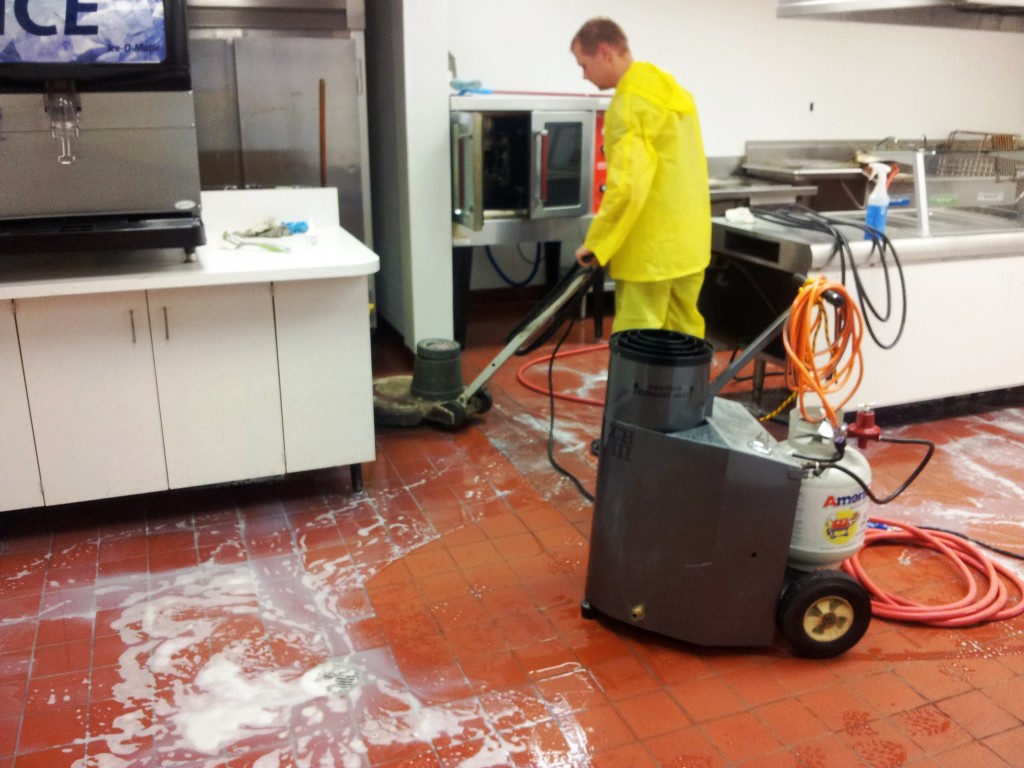
Restaurant Kitchen Deep Cleaning
Comprehensive deep cleaning for restaurant kitchens including floors, walls, equipment, and hard-to-reach areas. We eliminate grease buildup, food residue, and bacteria to ensure a sanitary cooking environment that meets health code standards.
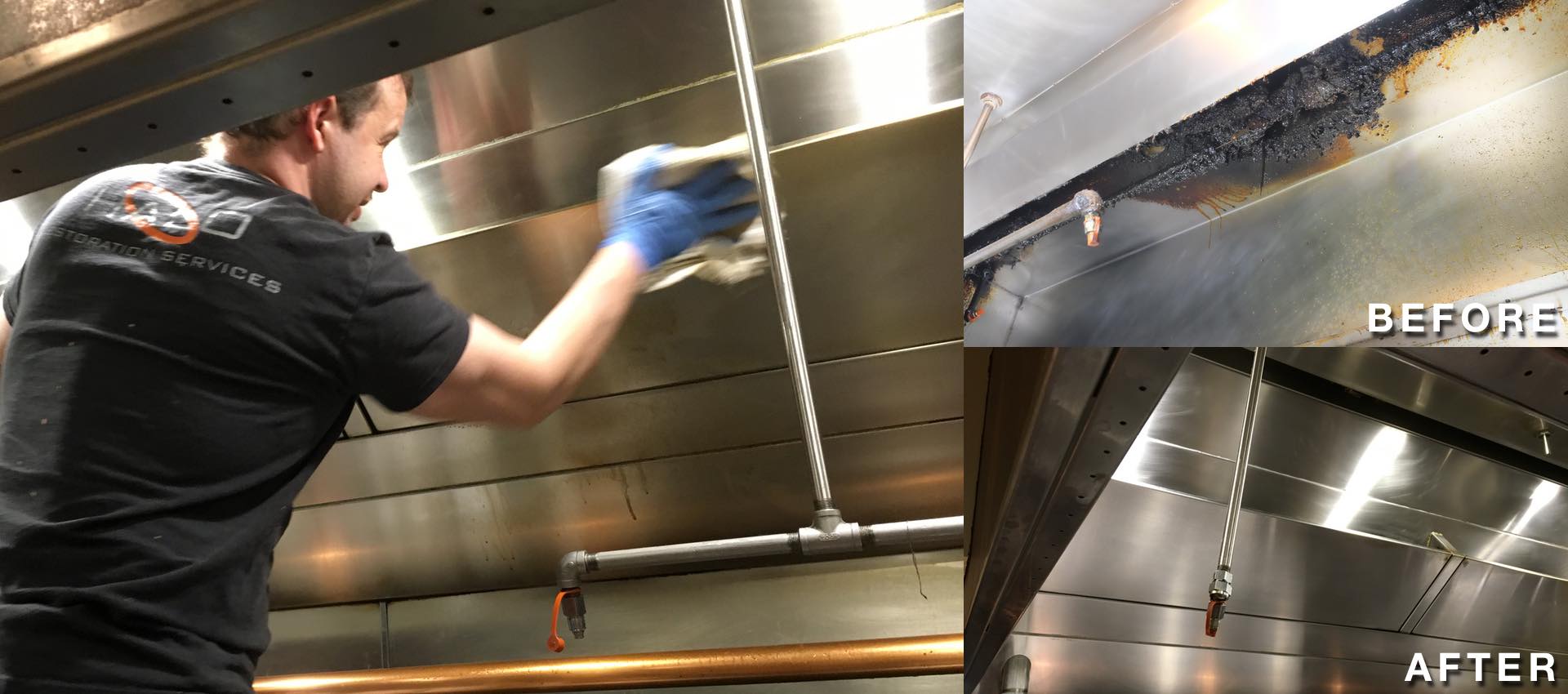
Hood and Vent Cleaning
NFPA-compliant kitchen exhaust system cleaning including hoods, filters, ducts, and fans. Our thorough cleaning removes dangerous grease buildup, reduces fire hazards, and improves ventilation efficiency for a safer kitchen environment.
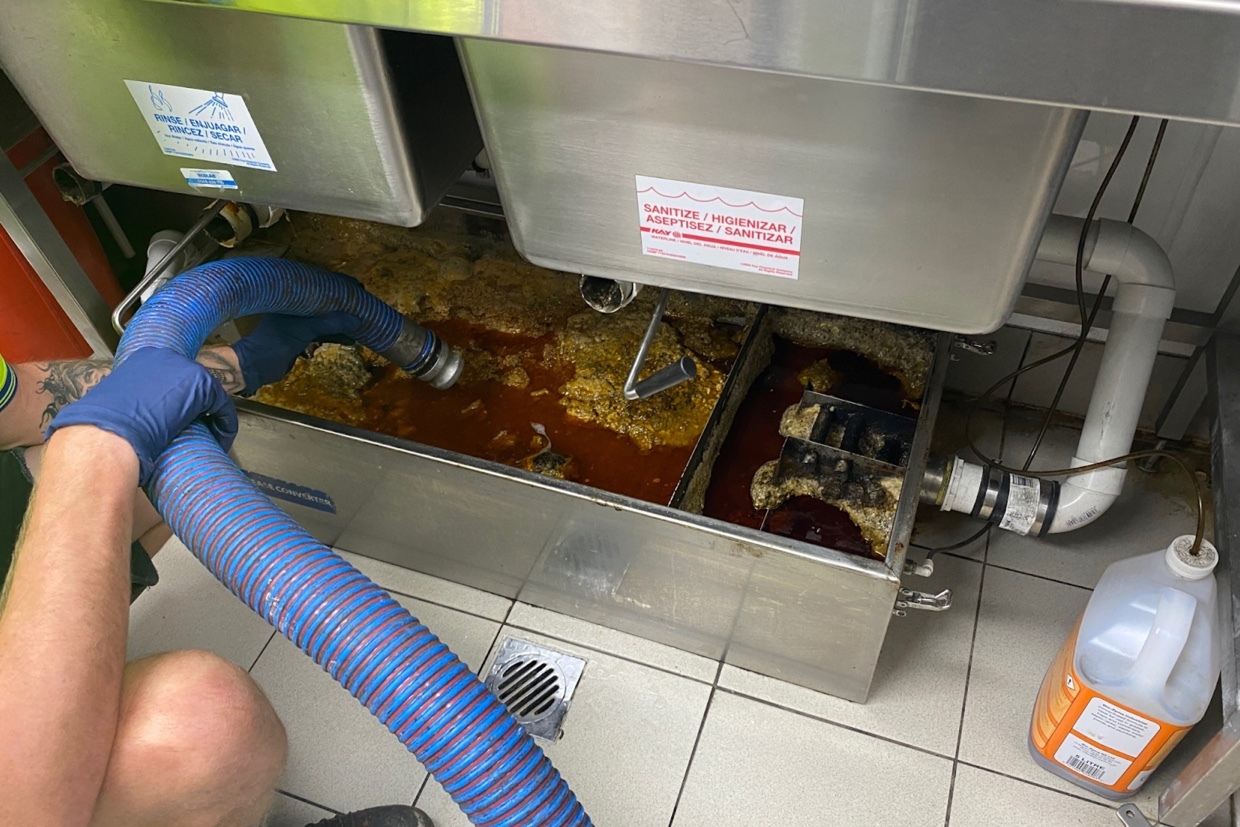
Grease Trap Maintenance
Professional grease trap pumping, cleaning, and maintenance services to prevent clogs, backups, and odors. Regular maintenance helps your restaurant stay compliant with local regulations and keeps your plumbing system running smoothly.
services planning guide
How to plan bar and lounge disinfection for a food-service facility in Dallas
Restaurant Cleaning Services of Dallas uses the following planning framework to help property managers and business owners turn a request for restaurant, dining-room, and kitchen cleaning into a scope that can be walked, priced, scheduled, and checked. It is designed for practical comparison and does not replace site-specific safety, material, vendor, or regulatory requirements.
Define the Work Before Pricing It
For multi-tenant or mixed-use properties, bar and lounge disinfection should be divided by responsibility zone. Common areas, tenant suites, back-of-house spaces, loading areas, public restrooms, and restricted rooms can then receive schedules and approval rules that match their actual use. Square footage alone does not define the effort required for bar and lounge disinfection. Occupancy, floor materials, restroom count, food or production activity, security procedures, furniture density, and the time available between closing and reopening all affect labor and equipment planning. A walkthrough for bar and lounge disinfection is most productive when the decision-maker identifies the spaces that create complaints, the areas that carry the most traffic, and the tasks the current program misses. Those observations turn a generic checklist into a practical scope tied to the way the property is actually used. The strongest bar and lounge disinfection plan names measurable outcomes rather than relying on broad phrases such as “keep it clean.” Examples include streak-free entry glass, stocked and odor-controlled restrooms, debris-free floor edges, sanitized touchpoints, and completion before a stated opening time.
Build the Schedule Around Operations
Daytime and after-hours service solve different operational problems. Day porter coverage manages visible conditions while people are present; after-hours crews complete disruptive or time-intensive tasks when work areas can be accessed safely and thoroughly. A nightly, daily, weekly, or project schedule changes more than visit frequency. It changes how much soil accumulates between visits, which tools are appropriate, how long each visit takes, and whether periodic deep work must be layered into the agreement. For Dallas–Fort Worth properties, travel windows and building access can materially affect the usable service period. A realistic schedule accounts for security handoffs and operating deadlines rather than promising a start time that leaves too little time to finish. Access planning is part of service planning. Keys, badges, alarm procedures, loading access, elevator reservations, escort rules, and locked-room approvals should be confirmed before the first bar and lounge disinfection visit so the crew can complete the full scope without improvising.
Make Quality Control Observable
Before-and-after documentation is especially valuable for one-time or restorative bar and lounge disinfection. It establishes the starting condition, records the completed result, and helps the facility manager decide whether a recurring maintenance cycle would prevent the same buildup. A single complaint channel prevents service issues from disappearing between building occupants, property management, and the cleaning crew. Requests should be logged with the location, task, urgency, and desired completion time so the response can be verified. Inspection frequency should reflect the complexity of the account. A small weekly office may need periodic supervisory review, while a high-traffic or regulated environment may require documented checks several times each week. Useful performance conversations separate an isolated miss from a recurring process failure. One unemptied bin requires correction; repeated misses in the same wing may indicate unclear zoning, inadequate time, or a checklist that does not match the building.
Match Methods to Materials and Risk
Color-coded cloths, pads, and tools can reduce cross-use between restrooms, food areas, workspaces, and public surfaces. The exact system matters less than having a documented method the crew can follow consistently. For sensitive or newly installed materials, a small test area can prevent expensive mistakes. The service plan should identify who approves the test result before broader cleaning or restoration proceeds. A material-safety discussion should include storage and labeling. Facility contacts should know where products and equipment will be kept, which rooms remain accessible to occupants, and how spills or damaged containers are reported. Dwell time and physical removal are central to effective cleaning. A product cannot perform as intended if it is wiped away immediately, and loosened soil still needs to be removed with clean tools rather than redistributed across the surface.
Use the Walkthrough to Build the Scope
The walkthrough should follow the facility’s traffic pattern from entrances through work areas, restrooms, support rooms, and exits. This reveals where soil enters, where it concentrates, and which tasks must be completed in a particular order. A useful walkthrough ends with next steps: who will receive the written scope, who can approve revisions, whether a second technical visit is required, and what information is still needed before pricing is final. Discuss current service honestly during the walkthrough. What works should be preserved, what fails should be corrected, and any unrealistic expectation should be resolved before it becomes a recurring dispute after startup. If the requested bar and lounge disinfection includes restorative work, identify the difference between a first-service reset and ongoing maintenance. Startup work may require additional labor that should not be hidden inside the recurring visit price.
Put the Service Agreement in Writing
The agreement should explain how additional work is approved. Emergency cleanup, event service, construction dust, floor restoration, and extra porter coverage should not be performed or billed through an informal request that no one can later verify. Service-level expectations should be realistic and observable. A promise of “perfect cleaning” is less useful than response times, inspection routines, named completion outcomes, and an escalation process for repeated deficiencies. Pricing should state whether it is monthly, per visit, hourly, or project based and should identify the assumptions behind it. Changes in occupied square footage, frequency, access time, or task scope need an agreed method for repricing. Insurance and vendor-document requirements should be confirmed during proposal review rather than after award. If the property requires a certificate, additional insured wording, vendor portal registration, or special access documentation, those steps can affect the startup date.
Plan for Dallas Facility Conditions
Fast regional growth creates frequent move-ins, renovations, tenant turnovers, and occupancy changes. The cleaning scope should be reviewed when a property changes use instead of assuming the previous tenant’s schedule remains appropriate. Storm seasons can create short-notice needs around entrances, exterior glass, tracked moisture, construction material, and debris. A recurring account should know how to request work outside the normal scope and whether priority response is available. Dallas facilities contend with long cooling seasons, tracked-in dust, pollen, severe-weather debris, and rapid development activity. Those conditions can influence entry cleaning, high dusting, floor care, glass maintenance, and the timing of periodic deep work. A local service plan should account for the property’s immediate environment. Construction nearby, open parking, landscaping, loading activity, and pedestrian traffic can change how quickly dust and debris return after a visit.
Compare Providers on More Than Price
A pilot or structured startup can be useful when the facility is complex or the current condition is uncertain. Define what will be evaluated, how long the evaluation lasts, and what information determines the permanent scope. References are most useful when the compared account resembles the property in size, use, and schedule. A successful small office account does not by itself demonstrate the systems needed for a large, high-traffic, or specialized facility. The final decision should align service frequency with the facility’s real use. Buying fewer visits than the property needs creates visible decline; buying unnecessary frequency wastes budget that could be directed to periodic or high-priority work. Ask each provider to explain staffing assumptions, visit length, supervision, equipment, and the process for covering absences. The answer reveals whether the proposal is an operating plan or simply a price attached to a task list.
Start, Measure, and Adjust the Program
Closeout reporting should match the account’s complexity. A small property may need simple completion confirmation; a larger or specialized account may need inspection notes, issue photographs, supply alerts, and a record of periodic tasks. Periodic tasks should be placed on a calendar at startup. Floor work, carpet extraction, glass detailing, vent cleaning, high dusting, pressure cleaning, and other rotating services are easier to budget when dates are planned. Task sequencing affects results. High dusting should precede lower-surface cleaning, dry soil removal should precede wet work, and areas with restricted reopening times should be completed early enough to dry or ventilate. The first visit should not be treated as an ordinary maintenance visit when buildup already exists. Startup cleaning establishes a maintainable baseline and gives the crew a realistic view of the time required for future service.
Bring to the walkthrough
- Approximate square footage, floor plan, and operating hours
- Current frequency, known complaints, and priority areas
- Flooring and surface notes, restricted rooms, and access rules
- Desired start date, budget constraints, and approval contacts
Expect in a written proposal
- Task scope by zone and visit frequency
- Service windows, periodic work, and supply responsibility
- Quality checks, communication, and correction procedures
- Pricing assumptions, exclusions, and change-order rules