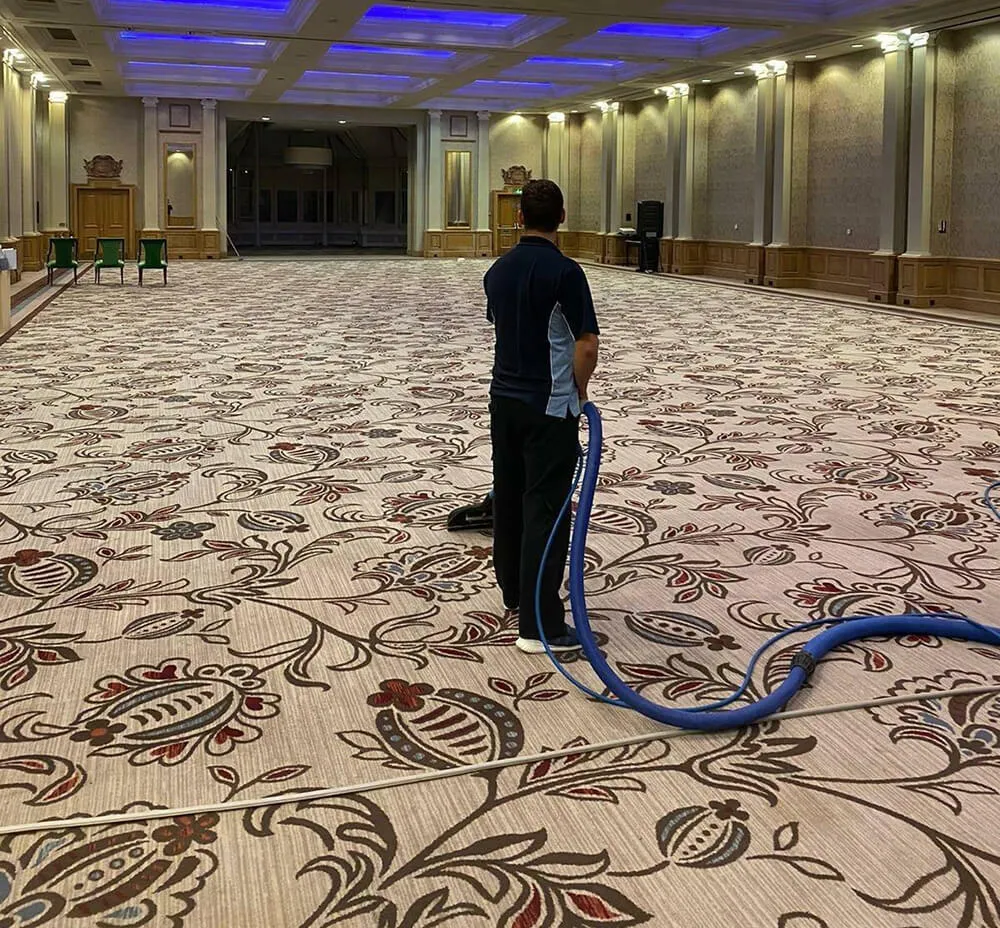
Banquet Hall Carpet Cleaning & Extraction in Dallas, TX
Deep carpet cleaning and hot water extraction for banquet halls, private dining rooms, and event spaces. We remove stains, odors, and embedded dirt to keep your carpets looking fresh and extend their lifespan.
Professional banquet hall carpet extraction services for restaurants in Dallas and surrounding areas. We deliver exceptional results that keep your establishment clean, safe, and ready for operation.
Banquet Hall Carpet Extraction Services in Dallas
Banquet halls host celebrations, corporate events, weddings, and gatherings where first impressions directly impact customer satisfaction and repeat business. Carpeting in these spaces faces extraordinary challenges—heavy foot traffic, food and beverage spills, equipment movement, and rapid turnaround requirements that prevent thorough cleaning between events. Professional carpet extraction services provide the deep cleaning necessary to maintain beautiful, hygienic banquet environments while extending the substantial investment banquet facilities make in quality floor coverings.
The Unique Challenges of Banquet Hall Carpet Care
Banquet carpet maintenance differs fundamentally from standard commercial carpet cleaning. Events generate concentrated soiling in short timeframes—hundreds of guests walking the same paths, buffet service creating food spill risks, bars serving beverages that stain permanently if not addressed promptly, and furniture movement abrading fibers. The rapid event turnover common in Dallas's active hospitality market often allows only hours between functions, making effective, efficient cleaning essential.
Dallas's climate adds additional complexity. Dust and pollen infiltrate facilities during warm months, embedding in carpet fibers. High humidity during summer creates conditions where moisture from cleaning can trigger mold growth if not properly extracted. Additionally, Dallas's position as a convention and event destination means banquet facilities must maintain appearance standards meeting national and international client expectations.
Hot Water Extraction: The Professional Standard
Hot water extraction, often called steam cleaning, represents the most effective method for deep banquet hall carpet cleaning. This process injects heated cleaning solution into carpet fibers at high pressure, immediately extracting the solution along with suspended soils, allergens, and contaminants. Unlike surface cleaning methods, extraction reaches deep into carpet pile removing embedded soils that damage fibers and create dingy appearance.
Professional extraction equipment generates significantly more heat and suction than rental units available to consumers. Water temperatures reaching 200+ degrees Fahrenheit dissolve grease and organic matter while killing dust mites, bacteria, and mold spores. Powerful vacuums extract up to 95% of moisture, dramatically reducing drying times essential for banquet facilities with tight schedules.
Comprehensive Banquet Carpet Cleaning Process
Pre-Inspection and Assessment
Professional service begins with thorough evaluation of carpet condition, fiber type, soiling patterns, and damage requiring attention. Technicians identify high-traffic lanes, stained areas, and worn sections while noting any repairs needed before cleaning. This assessment determines appropriate cleaning agents, equipment settings, and treatment protocols for optimal results.
Pre-Vacuuming and Preparation
Dry soil removal through commercial-grade vacuuming eliminates loose particles that would otherwise turn to mud during wet cleaning. Furniture is moved or protected, edge areas are prepared, and any pre-treatments for specific stains are applied to maximize cleaning effectiveness.
Pre-Spot Treatment
Identified stains receive specialized treatment before extraction begins. Different stain types—wine, coffee, grease, makeup, ink—require specific chemistry for effective removal. Professional technicians match treatments to stains while protecting carpet color and fiber integrity.
Hot Water Extraction
Using truck-mounted or high-capacity portable equipment, technicians perform thorough extraction cleaning across all carpeted areas. The process systematically covers the space with overlapping passes ensuring no areas are missed. Traffic lanes receive additional attention where soil concentration is heaviest.
Grooming and Finishing
Following extraction, carpet pile is groomed to restore appearance and promote even drying. This process eliminates wand marks, resets pile direction, and creates uniform appearance throughout the space. Protective treatments may be applied to resist future soiling.
Drying and Post-Inspection
Powerful air movers accelerate drying, essential for banquet facilities needing rapid space return to service. Technicians conduct final inspection verifying cleaning quality, identifying any areas requiring additional attention, and documenting results.
Specialized Treatment Applications
Stain Protection
Following deep cleaning, professional-grade carpet protectors can be applied creating barriers against future staining. These treatments don't prevent spills but provide time to address them before permanent staining occurs—valuable protection for banquet environments where immediate spill response isn't always possible during events.
Odor Elimination
Banquet carpets can harbor odors from food, beverages, and high occupancy. Professional services offer enzyme treatments and deodorizers that eliminate odors at their source rather than masking them with fragrances. This creates genuinely fresh environments for subsequent events.
Allergen Treatment
For facilities hosting guests with allergies or environmental sensitivities, specialized treatments reduce dust mites, pollen, and other allergens embedded in carpet fibers. This service supports health-conscious event planning and demonstrates facility quality.
Anti-Static Treatment
Dry winter conditions in Dallas can generate uncomfortable static electricity in banquet facilities. Professional anti-static treatments eliminate this problem while reducing dust attraction to carpet fibers.
Benefits of Professional Carpet Extraction
Extended Carpet Life: Embedded soils act as abrasives that cut and damage carpet fibers with every footstep. Regular extraction removes these destructive particles, significantly extending carpet lifespan and protecting your flooring investment.
Enhanced Appearance: Deep cleaning restores carpet color and texture that gradual soiling progressively dulls. This refresh makes spaces appear newer and better maintained, supporting the premium image banquet facilities require.
Improved Indoor Air Quality: Carpets trap allergens, dust, and airborne particles that affect air quality. Extraction removes these contaminants, creating healthier environments for guests and staff—particularly important in Dallas's dusty climate.
Faster Event Turnaround: Professional cleaning with rapid-drying equipment allows quicker return to service than inadequate cleaning methods. This operational efficiency supports booking more events and maximizing facility revenue.
Stain Removal: Professional extraction removes stains that spot cleaning cannot address, maintaining carpet appearance and preventing the premature replacement that heavy staining necessitates.
Warranty Protection: Most commercial carpet warranties require professional extraction at specified intervals. Maintaining service records protects warranty coverage for expensive flooring investments.
Recommended Cleaning Frequency
Banquet carpet cleaning frequency depends on usage patterns:
- High-volume facilities (multiple events weekly): Monthly extraction cleaning
- Moderate-use venues (weekly events): Quarterly deep cleaning
- Limited-use spaces (monthly or less): Semi-annual professional cleaning
- Post-event spot cleaning: Following any event with significant spills or heavy soiling
- Annual restoration: Comprehensive service including repairs and protective treatments
Dallas's dusty environment and active pollen seasons may necessitate more frequent service during spring and summer months.
Event-Specific Considerations
Wedding Season Preparation: Dallas's peak wedding season requires facilities to present immaculate conditions. Pre-season extraction ensures carpets look their best when photography and guest impressions matter most.
Corporate Event Standards: Business clients often have stringent facility requirements. Professional cleaning documentation supports contract compliance and demonstrates commitment to quality.
Holiday Event Support: The busy holiday season generates concentrated wear. Strategic cleaning scheduling maintains appearance through high-demand periods.
Post-Convention Recovery: Following major conventions or large events, intensive extraction addresses the concentrated soiling that rapid event turnover creates.
Choosing Professional Carpet Extraction Services
When selecting banquet hall carpet cleaning services in Dallas, evaluate:
Commercial Experience: Banquet facilities require different approaches than residential or standard commercial cleaning. Select providers with specific hospitality and event venue experience.
Equipment Capability: Truck-mounted systems provide superior heat and suction but require facility access. Quality portable systems offer flexibility for venues without external access. Ensure your provider has appropriate equipment for your facility.
Drying Technology: Rapid drying capability is essential for banquet operations. Verify that providers use adequate extraction power and drying equipment to meet your schedule requirements.
Stain Removal Expertise: Banquet carpets face diverse staining challenges. Choose providers with demonstrated success removing food, beverage, and event-specific stains.
Flexible Scheduling: Professional services must accommodate your event calendar, working during closed hours or between events without disrupting operations.
Insurance and Protection: Verify appropriate liability coverage protecting your facility and property during cleaning operations.
Professional banquet hall carpet extraction represents essential maintenance for Dallas event facilities seeking to protect flooring investments, maintain impeccable appearance, and create welcoming environments that support successful events and satisfied clients. This specialized service addresses the unique challenges of high-traffic hospitality spaces while enabling the rapid turnaround that busy banquet operations require.
Benefits of Professional Carpet Extraction
Service Areas for Banquet Hall Carpet Extraction
We provide banquet hall carpet extraction throughout the Dallas-Fort Worth metroplex, including:
Request a Free Quote
Get a customized quote for banquet hall carpet extraction services.
Call Us Today
Speak directly with our team about your banquet hall carpet extraction needs.
1 (214) 817-3776Related Services
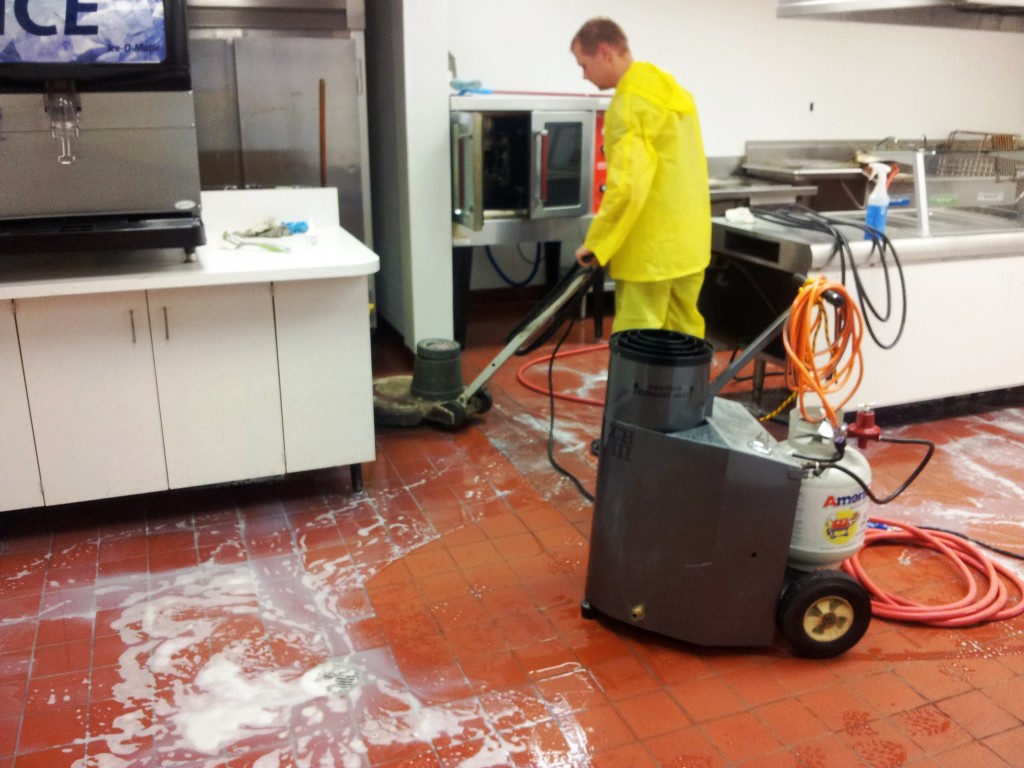
Restaurant Kitchen Deep Cleaning
Comprehensive deep cleaning for restaurant kitchens including floors, walls, equipment, and hard-to-reach areas. We eliminate grease buildup, food residue, and bacteria to ensure a sanitary cooking environment that meets health code standards.
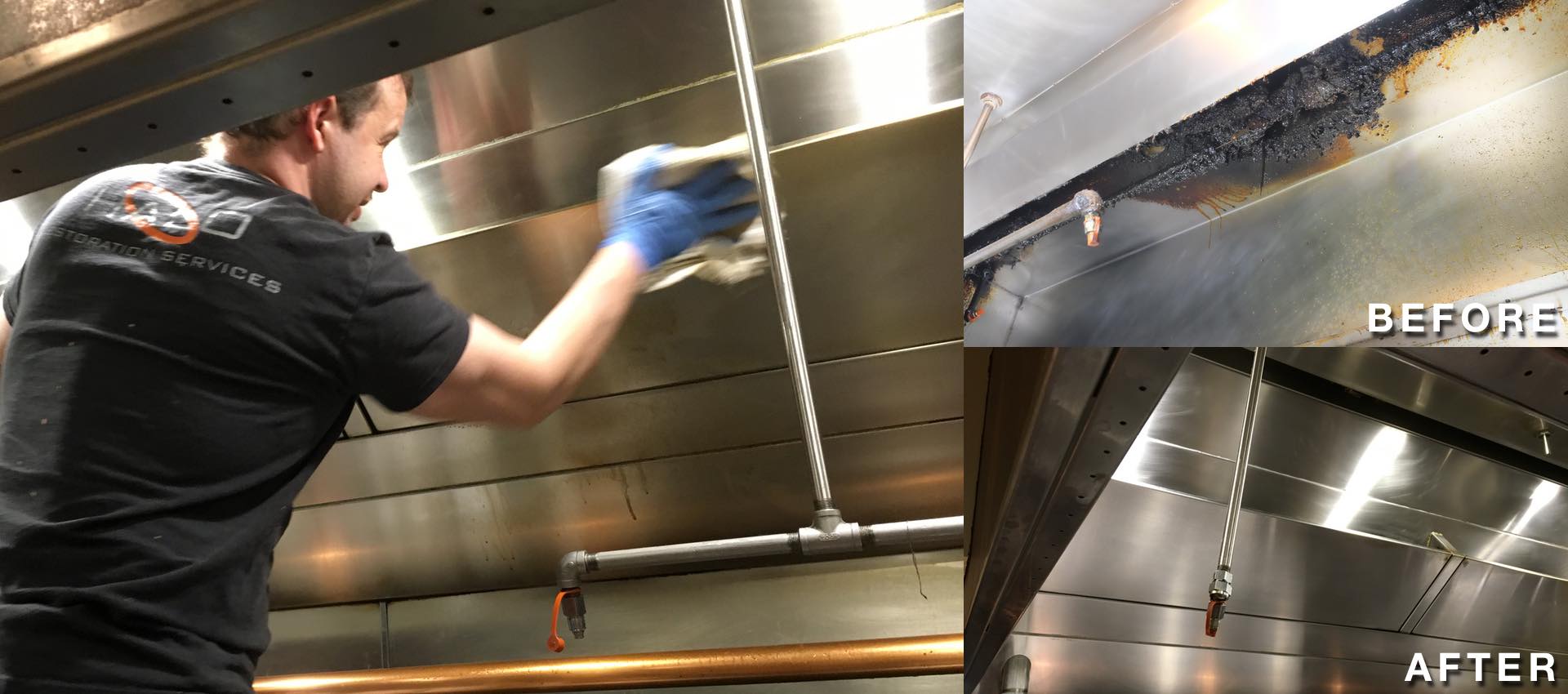
Hood and Vent Cleaning
NFPA-compliant kitchen exhaust system cleaning including hoods, filters, ducts, and fans. Our thorough cleaning removes dangerous grease buildup, reduces fire hazards, and improves ventilation efficiency for a safer kitchen environment.
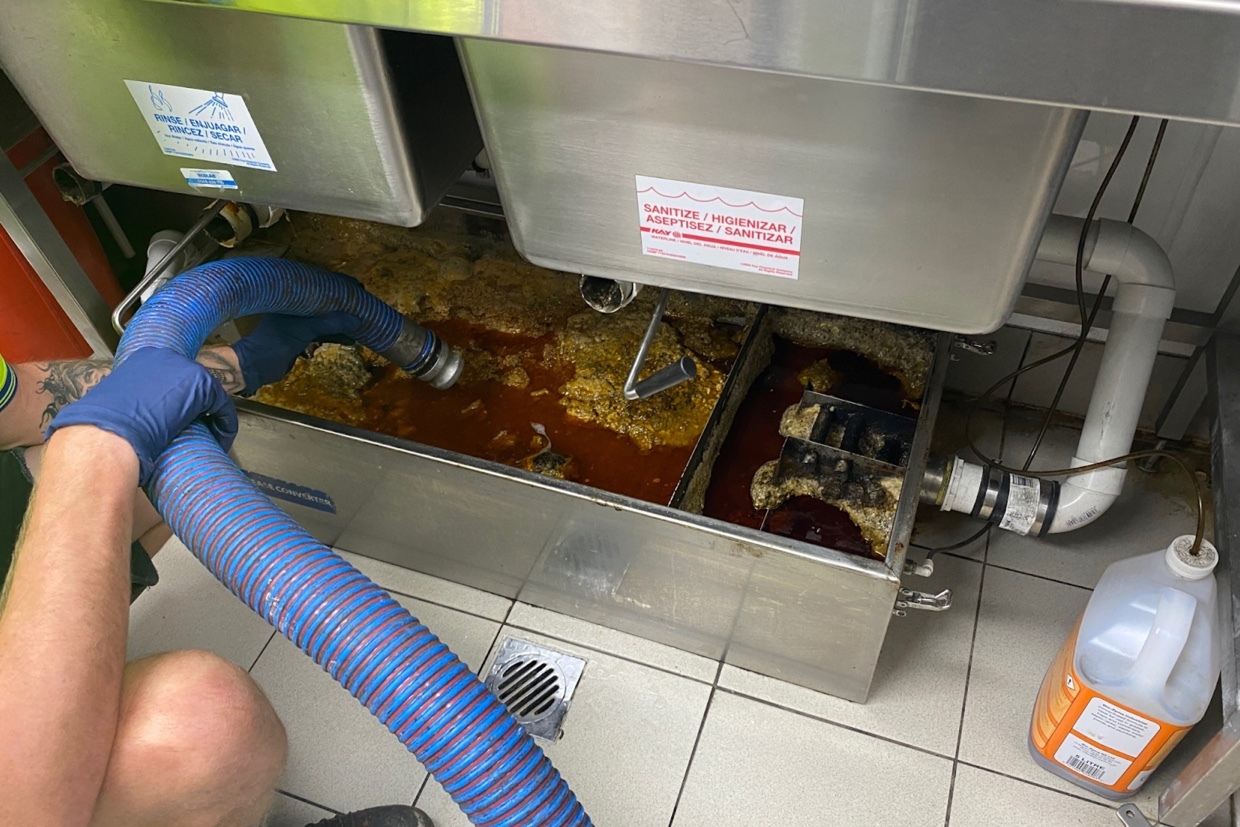
Grease Trap Maintenance
Professional grease trap pumping, cleaning, and maintenance services to prevent clogs, backups, and odors. Regular maintenance helps your restaurant stay compliant with local regulations and keeps your plumbing system running smoothly.
services planning guide
How to plan banquet hall carpet extraction for a food-service facility in Dallas
Restaurant Cleaning Services of Dallas uses the following planning framework to help property managers and business owners turn a request for restaurant, dining-room, and kitchen cleaning into a scope that can be walked, priced, scheduled, and checked. It is designed for practical comparison and does not replace site-specific safety, material, vendor, or regulatory requirements.
Define the Work Before Pricing It
Banquet Hall Carpet Extraction should begin with a written definition of the rooms, surfaces, fixtures, equipment boundaries, and access conditions included in the work. A useful scope separates routine tasks from periodic restoration so the facility manager can see what happens on every visit and what occurs only on a planned cycle. Square footage alone does not define the effort required for banquet hall carpet extraction. Occupancy, floor materials, restroom count, food or production activity, security procedures, furniture density, and the time available between closing and reopening all affect labor and equipment planning. The strongest banquet hall carpet extraction plan names measurable outcomes rather than relying on broad phrases such as “keep it clean.” Examples include streak-free entry glass, stocked and odor-controlled restrooms, debris-free floor edges, sanitized touchpoints, and completion before a stated opening time. A walkthrough for banquet hall carpet extraction is most productive when the decision-maker identifies the spaces that create complaints, the areas that carry the most traffic, and the tasks the current program misses. Those observations turn a generic checklist into a practical scope tied to the way the property is actually used.
Build the Schedule Around Operations
Facilities with irregular occupancy should use a flexible service calendar. Seasonal traffic, events, construction phases, tenant move-ins, inventory cycles, and weather can all create temporary cleaning demand that a rigid schedule will miss. A nightly, daily, weekly, or project schedule changes more than visit frequency. It changes how much soil accumulates between visits, which tools are appropriate, how long each visit takes, and whether periodic deep work must be layered into the agreement. Scheduling should be built around operating hours and risk, not around the cleaning company’s convenience. Some food-service facility environments need a complete after-hours reset, while others benefit from daytime attention to entrances, restrooms, spills, or high-traffic common areas. Daytime and after-hours service solve different operational problems. Day porter coverage manages visible conditions while people are present; after-hours crews complete disruptive or time-intensive tasks when work areas can be accessed safely and thoroughly.
Make Quality Control Observable
Inspection frequency should reflect the complexity of the account. A small weekly office may need periodic supervisory review, while a high-traffic or regulated environment may require documented checks several times each week. A single complaint channel prevents service issues from disappearing between building occupants, property management, and the cleaning crew. Requests should be logged with the location, task, urgency, and desired completion time so the response can be verified. Before-and-after documentation is especially valuable for one-time or restorative banquet hall carpet extraction. It establishes the starting condition, records the completed result, and helps the facility manager decide whether a recurring maintenance cycle would prevent the same buildup. A quality program should explain how corrections are handled. The facility contact needs a clear response path, a reasonable correction window, and confirmation when the issue is closed rather than a vague assurance that someone will look into it.
Match Methods to Materials and Risk
A material-safety discussion should include storage and labeling. Facility contacts should know where products and equipment will be kept, which rooms remain accessible to occupants, and how spills or damaged containers are reported. For sensitive or newly installed materials, a small test area can prevent expensive mistakes. The service plan should identify who approves the test result before broader cleaning or restoration proceeds. Color-coded cloths, pads, and tools can reduce cross-use between restrooms, food areas, workspaces, and public surfaces. The exact system matters less than having a documented method the crew can follow consistently. Product selection should match the task and the occupied environment. Cleaning, degreasing, disinfecting, descaling, and finishing are different functions; using one product for every surface can leave residue, reduce effectiveness, or shorten asset life.
Use the Walkthrough to Build the Scope
If the requested banquet hall carpet extraction includes restorative work, identify the difference between a first-service reset and ongoing maintenance. Startup work may require additional labor that should not be hidden inside the recurring visit price. A useful walkthrough ends with next steps: who will receive the written scope, who can approve revisions, whether a second technical visit is required, and what information is still needed before pricing is final. Discuss current service honestly during the walkthrough. What works should be preserved, what fails should be corrected, and any unrealistic expectation should be resolved before it becomes a recurring dispute after startup. Bring a current floor plan, operating schedule, and list of known problem areas to the walkthrough. These details help Restaurant Cleaning Services of Dallas organize banquet hall carpet extraction around actual conditions instead of estimating from square footage and a short phone description.
Put the Service Agreement in Writing
Insurance and vendor-document requirements should be confirmed during proposal review rather than after award. If the property requires a certificate, additional insured wording, vendor portal registration, or special access documentation, those steps can affect the startup date. Service-level expectations should be realistic and observable. A promise of “perfect cleaning” is less useful than response times, inspection routines, named completion outcomes, and an escalation process for repeated deficiencies. A structured startup period gives both sides a chance to refine the scope. Early inspections and a scheduled review after the first few visits can resolve workload assumptions before they become embedded in a long-term program. The agreement should explain how additional work is approved. Emergency cleanup, event service, construction dust, floor restoration, and extra porter coverage should not be performed or billed through an informal request that no one can later verify.
Plan for Dallas Facility Conditions
Storm seasons can create short-notice needs around entrances, exterior glass, tracked moisture, construction material, and debris. A recurring account should know how to request work outside the normal scope and whether priority response is available. Fast regional growth creates frequent move-ins, renovations, tenant turnovers, and occupancy changes. The cleaning scope should be reviewed when a property changes use instead of assuming the previous tenant’s schedule remains appropriate. Heat and air-conditioning runtime can increase dust movement through vents, ledges, high surfaces, and return-air zones. Periodic detail work should be scheduled before accumulation becomes visible or begins cycling back into occupied areas. Dallas facilities contend with long cooling seasons, tracked-in dust, pollen, severe-weather debris, and rapid development activity. Those conditions can influence entry cleaning, high dusting, floor care, glass maintenance, and the timing of periodic deep work.
Compare Providers on More Than Price
When comparing banquet hall carpet extraction proposals, normalize the scope before comparing price. A lower monthly number may exclude periodic work, supplies, supervision, floor care, or enough labor to complete the stated checklist. References are most useful when the compared account resembles the property in size, use, and schedule. A successful small office account does not by itself demonstrate the systems needed for a large, high-traffic, or specialized facility. Ask each provider to explain staffing assumptions, visit length, supervision, equipment, and the process for covering absences. The answer reveals whether the proposal is an operating plan or simply a price attached to a task list. Consider the cost of under-scoping. Persistent complaints, damaged finishes, emergency restoration, staff time spent supervising the vendor, and repeated provider changes can cost more than a properly designed recurring program.
Start, Measure, and Adjust the Program
Crew orientation should cover the approved scope, building access, material cautions, waste handling, supply storage, security, and the communication path for exceptions. Written information is more dependable than verbal instructions passed between shifts. Periodic tasks should be placed on a calendar at startup. Floor work, carpet extraction, glass detailing, vent cleaning, high dusting, pressure cleaning, and other rotating services are easier to budget when dates are planned. Closeout reporting should match the account’s complexity. A small property may need simple completion confirmation; a larger or specialized account may need inspection notes, issue photographs, supply alerts, and a record of periodic tasks. A stable program still needs review after renovations, staffing growth, seasonal traffic, operating-hour changes, or new equipment. Each change can alter soil load, access, or the time available for banquet hall carpet extraction.
Bring to the walkthrough
- Approximate square footage, floor plan, and operating hours
- Current frequency, known complaints, and priority areas
- Flooring and surface notes, restricted rooms, and access rules
- Desired start date, budget constraints, and approval contacts
Expect in a written proposal
- Task scope by zone and visit frequency
- Service windows, periodic work, and supply responsibility
- Quality checks, communication, and correction procedures
- Pricing assumptions, exclusions, and change-order rules