Restaurant Cleaning Services in Garland, TX
Trusted restaurant cleaning services in Garland, Texas. We serve restaurants along I-30, Bush Turnpike, and throughout the city with comprehensive cleaning solutions including kitchen deep cleaning and hood maintenance.
Restaurant Cleaning Services in Garland, Texas
Restaurant Cleaning Services of Dallas provides comprehensive restaurant cleaning and kitchen maintenance services throughout Garland, Texas. We understand the unique cleaning requirements of restaurants, cafes, bars, and food service establishments in this area.
Garland ranks as the third-largest city in Dallas County and the 12th-largest in Texas, with a population of approximately 246,000 residents spread across 57 square miles. Positioned northeast of Dallas, Garland has evolved from an agricultural community into a diverse, economically robust suburb serving as a major employment and retail center within the Metroplex.
The city's economy demonstrates impressive diversity, encompassing manufacturing, technology, healthcare, retail, and telecommunications. Major employers include Kraft Foods, FedEx Office, and numerous corporate headquarters. Garland's proximity to both downtown Dallas and the Telecom Corridor in Richardson positions it advantageously for businesses serving regional and national markets.
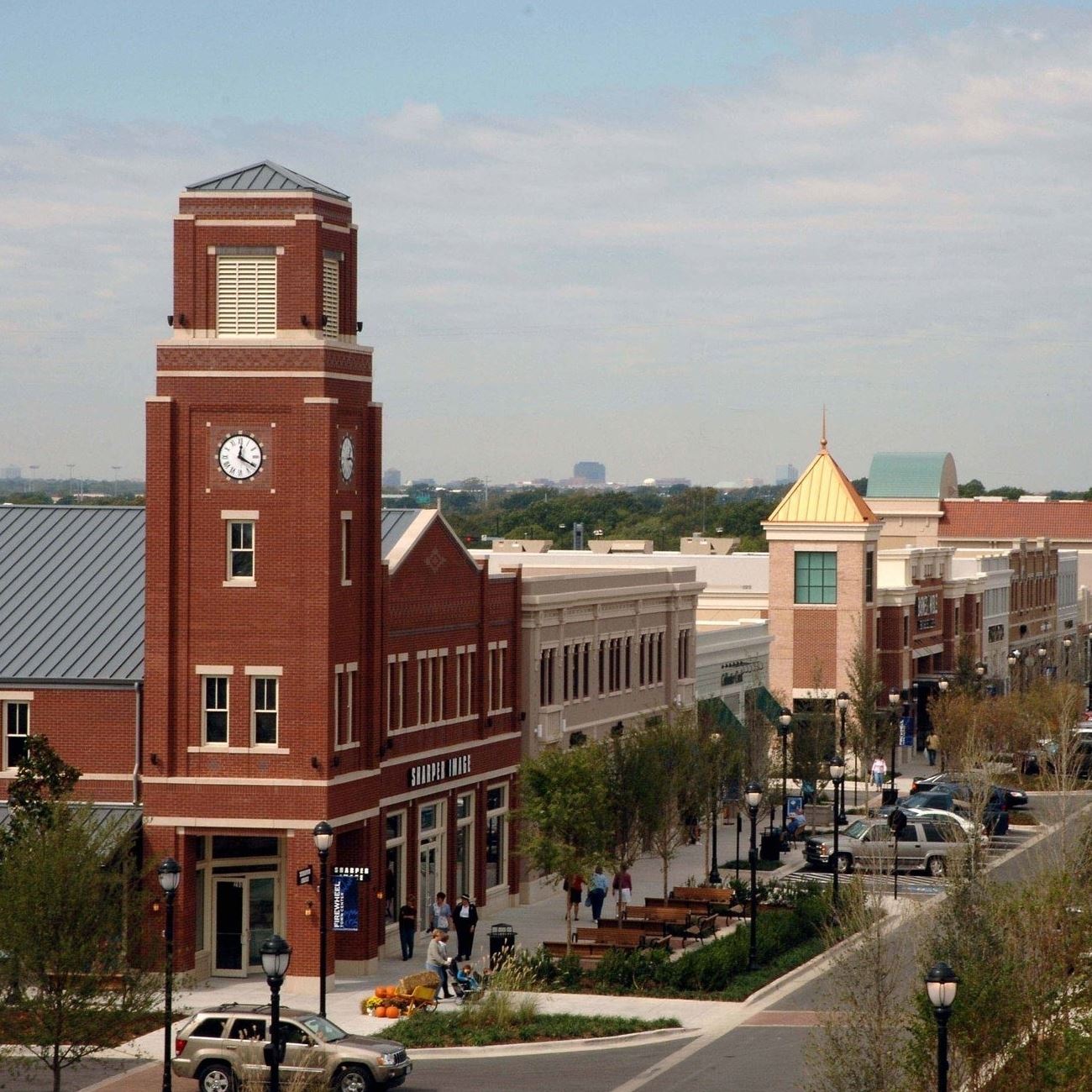
Garland's commercial landscape features significant retail development, particularly around Firewheel Town Center, an open-air shopping destination spanning over 1 million square feet. This major retail hub, along with Garland Square and numerous neighborhood shopping centers, generates substantial cleaning requirements for retail spaces, restaurants, and entertainment venues.
The city's neighborhoods reflect its diverse population and commercial needs. Downtown Garland has undergone significant revitalization, featuring the historic Plaza Theatre and expanding mix of restaurants and boutiques. The Firewheel Town Center Area hosts major retail and hospitality businesses. Buckingham and Eastern Hills contain substantial residential development supporting neighborhood commercial centers. Shorehaven and surrounding areas feature established businesses serving long-term residents.
Garland maintains strong connectivity to the broader Metroplex through President George Bush Turnpike, Interstate 635, and Interstate 30. DART light rail service connects Garland to downtown Dallas, facilitating commuter traffic and supporting transit-oriented development. This transportation infrastructure makes Garland attractive to businesses requiring regional accessibility.
The city's climate follows North Texas patterns with hot, humid summers and mild winters. Average summer temperatures reach the mid-90s, while winter temperatures rarely drop below freezing. The area receives approximately 40 inches of annual rainfall, among the higher amounts in the Metroplex. These conditions necessitate regular HVAC maintenance and attention to humidity control in commercial spaces.
Garland's commitment to quality of life supports its commercial vitality. The city maintains over 2,800 acres of parkland including Spring Creek Forest Preserve, one of the last remaining hardwood forests in North Texas. The Granville Arts Center provides cultural programming, while the Curtis Culwell Center hosts major events and conventions. These amenities attract residents and businesses while creating venues requiring professional maintenance.
Nearby communities create an interconnected economic region. Dallas borders Garland to the west and south, while Mesquite lies to the east, Richardson to the north, and Rowlett to the southeast. This positioning places Garland businesses within easy reach of diverse markets throughout eastern Dallas County.
Key landmarks include Firewheel Town Center, the city's premier shopping and dining destination. Historic Downtown Garland Square features the 1940s-era Plaza Theatre, now restored as a performing arts venue. The Granville Arts Center complex includes two theaters hosting performances year-round. Spring Creek Forest Preserve protects old-growth forest along Spring Creek. The Patty Granville Arts Center serves as a cultural hub for the community.
Our commercial cleaning services support Garland's diverse business community, from maintaining pristine retail environments at major shopping centers to ensuring medical offices and industrial facilities meet appropriate cleanliness standards. We understand the expectations of this established, family-oriented community.
Our team is experienced in working with restaurants of all sizes, from small cafes to large dining establishments. We offer flexible scheduling options to minimize disruption to your operations while ensuring your facility meets high standards of cleanliness and sanitation.
Service Areas in Garland
We serve restaurants throughout Garland and surrounding areas, including zip codes: 75040, 75041, 75042, 75043, 75044, 75045, 75046, 75047, 75048, 75049.
Areas We Serve
Our restaurant cleaning services extend to key areas throughout Garland, including Firewheel Town Center, Garland Square, Lake Ray Hubbard, Spring Creek Forest.
Neighborhoods We Serve
We provide restaurant cleaning services throughout Garland, including: Downtown Garland, Firewheel Town Center Area, Garland Square, Buckingham, Coombs Creek, Eastern Hills, Shorehaven.
Why Choose Our Garland Restaurant Cleaning Service
- Local expertise in Garland restaurant cleaning
- Flexible scheduling to fit your operations
- Comprehensive kitchen deep cleaning services
- Health code compliance focus
- Consistent, reliable service
Our Services
Restaurant Kitchen Deep Cleaning
Comprehensive deep cleaning for restaurant kitchens including floors, walls, equipment, and hard-to-reach areas. We eliminate grease buildup, food residue, and bacteria to ensure a sanitary cooking environment that meets health code standards.
Hood and Vent Cleaning
NFPA-compliant kitchen exhaust system cleaning including hoods, filters, ducts, and fans. Our thorough cleaning removes dangerous grease buildup, reduces fire hazards, and improves ventilation efficiency for a safer kitchen environment.
Grease Trap Maintenance
Professional grease trap pumping, cleaning, and maintenance services to prevent clogs, backups, and odors. Regular maintenance helps your restaurant stay compliant with local regulations and keeps your plumbing system running smoothly.
Dining Room Sanitization
Thorough sanitization of dining areas including tables, chairs, booths, and high-touch surfaces. We use food-safe disinfectants to create a clean, welcoming environment that keeps your customers comfortable and protected.
Food Preparation Area Disinfection
Specialized disinfection of food prep surfaces, cutting boards, countertops, and equipment using EPA-approved sanitizers. We help prevent cross-contamination and ensure your prep areas meet the highest food safety standards.
Restroom Sanitation and Supplies
Complete restroom cleaning, disinfection, and restocking services. We sanitize all fixtures, mirrors, and surfaces while ensuring adequate supplies of soap, paper products, and sanitizers for your guests and staff.
Other Service Areas

Dallas, TX
Professional restaurant cleaning services throughout Dallas, Texas. We serve restaurants, cafes, bars, and food service establishments across the Dallas metro area with comprehensive cleaning solutions tailored to your needs.
Arlington, TX
Expert restaurant cleaning services in Arlington, Texas. From the Entertainment District to residential neighborhoods, we provide thorough kitchen cleaning, sanitization, and maintenance for restaurants of all sizes.
Carrollton, TX
Reliable restaurant cleaning services in Carrollton, Texas. We help local eateries, chain restaurants, and food service businesses maintain pristine kitchens and dining areas that exceed health inspection standards.
locations planning guide
How to plan garland tx for a food-service facility in Dallas
Restaurant Cleaning Services of Dallas uses the following planning framework to help property managers and business owners turn a request for restaurant, dining-room, and kitchen cleaning into a scope that can be walked, priced, scheduled, and checked. It is designed for practical comparison and does not replace site-specific safety, material, vendor, or regulatory requirements.
Define the Work Before Pricing It
Change orders are easier to avoid when the initial garland tx proposal records current conditions. Photographs, floor-type notes, access limitations, and known buildup give both sides a shared baseline for deciding what belongs in startup work and what belongs in recurring maintenance. For multi-tenant or mixed-use properties, garland tx should be divided by responsibility zone. Common areas, tenant suites, back-of-house spaces, loading areas, public restrooms, and restricted rooms can then receive schedules and approval rules that match their actual use. Garland Tx should begin with a written definition of the rooms, surfaces, fixtures, equipment boundaries, and access conditions included in the work. A useful scope separates routine tasks from periodic restoration so the facility manager can see what happens on every visit and what occurs only on a planned cycle. A commercial scope should distinguish appearance cleaning from hygiene work and asset maintenance. Dust removal, disinfection, floor finish care, glass restoration, and debris control solve different problems, use different processes, and often belong on different frequencies.
Build the Schedule Around Operations
A dependable plan includes a method for reporting schedule changes. The facility contact should know whom to notify, how much lead time is needed, and how missed or added visits affect the monthly program before an urgent request arises. Access planning is part of service planning. Keys, badges, alarm procedures, loading access, elevator reservations, escort rules, and locked-room approvals should be confirmed before the first garland tx visit so the crew can complete the full scope without improvising. Facilities with irregular occupancy should use a flexible service calendar. Seasonal traffic, events, construction phases, tenant move-ins, inventory cycles, and weather can all create temporary cleaning demand that a rigid schedule will miss. Recurring garland tx should include planned periodic work instead of waiting for visible deterioration. Rotating detail tasks through monthly or quarterly cycles protects floors, fixtures, glass, vents, edges, and other zones that routine visits cannot address completely.
Make Quality Control Observable
Useful performance conversations separate an isolated miss from a recurring process failure. One unemptied bin requires correction; repeated misses in the same wing may indicate unclear zoning, inadequate time, or a checklist that does not match the building. A quality program should explain how corrections are handled. The facility contact needs a clear response path, a reasonable correction window, and confirmation when the issue is closed rather than a vague assurance that someone will look into it. Before-and-after documentation is especially valuable for one-time or restorative garland tx. It establishes the starting condition, records the completed result, and helps the facility manager decide whether a recurring maintenance cycle would prevent the same buildup. The account review should examine service requests, inspection findings, occupancy changes, supply use, and upcoming facility events. That review keeps the program aligned with the property instead of allowing an old scope to continue after the building changes.
Match Methods to Materials and Risk
Dwell time and physical removal are central to effective cleaning. A product cannot perform as intended if it is wiped away immediately, and loosened soil still needs to be removed with clean tools rather than redistributed across the surface. Color-coded cloths, pads, and tools can reduce cross-use between restrooms, food areas, workspaces, and public surfaces. The exact system matters less than having a documented method the crew can follow consistently. Product selection should match the task and the occupied environment. Cleaning, degreasing, disinfecting, descaling, and finishing are different functions; using one product for every surface can leave residue, reduce effectiveness, or shorten asset life. For sensitive or newly installed materials, a small test area can prevent expensive mistakes. The service plan should identify who approves the test result before broader cleaning or restoration proceeds.
Use the Walkthrough to Build the Scope
Bring a current floor plan, operating schedule, and list of known problem areas to the walkthrough. These details help Restaurant Cleaning Services of Dallas organize garland tx around actual conditions instead of estimating from square footage and a short phone description. The walkthrough should follow the facility’s traffic pattern from entrances through work areas, restrooms, support rooms, and exits. This reveals where soil enters, where it concentrates, and which tasks must be completed in a particular order. Ask department leads or regular occupants where cleaning failures are most visible. Facility managers often know the formal complaints, while daily users can identify recurring issues such as neglected corners, supply shortages, or timing conflicts. For larger properties, divide the walkthrough into zones and record the floor type, use, occupancy, and desired frequency for each. This produces a proposal that can be adjusted by zone without rewriting the entire program.
Put the Service Agreement in Writing
Cancellation, renewal, and notice terms deserve the same attention as the cleaning checklist. A facility manager comparing proposals should understand the initial term, renewal method, price-review process, and the notice required to change or end service. A commercial cleaning agreement should attach or reproduce the approved scope, frequency, service window, periodic task calendar, supply responsibilities, access rules, and communication contacts. The written detail protects both the property and the service team. Service-level expectations should be realistic and observable. A promise of “perfect cleaning” is less useful than response times, inspection routines, named completion outcomes, and an escalation process for repeated deficiencies. A structured startup period gives both sides a chance to refine the scope. Early inspections and a scheduled review after the first few visits can resolve workload assumptions before they become embedded in a long-term program.
Plan for Dallas Facility Conditions
Heat and air-conditioning runtime can increase dust movement through vents, ledges, high surfaces, and return-air zones. Periodic detail work should be scheduled before accumulation becomes visible or begins cycling back into occupied areas. Properties across Dallas–Fort Worth vary widely in access, occupancy, and operating schedule. A downtown office, suburban medical suite, industrial building, retail center, and hospitality property should not receive the same labor plan simply because their square footage is similar. Dallas facilities contend with long cooling seasons, tracked-in dust, pollen, severe-weather debris, and rapid development activity. Those conditions can influence entry cleaning, high dusting, floor care, glass maintenance, and the timing of periodic deep work. Commercial properties in the region frequently combine offices, warehouses, showrooms, food service, or public-facing areas under one address. Zoning the scope by use keeps the cleaning method appropriate for each part of the building.
Compare Providers on More Than Price
The final decision should align service frequency with the facility’s real use. Buying fewer visits than the property needs creates visible decline; buying unnecessary frequency wastes budget that could be directed to periodic or high-priority work. Review the proposal for vague language. Terms such as “as needed,” “regularly,” and “periodically” should be converted into frequencies, triggers, or approval rules before the agreement is signed. When comparing garland tx proposals, normalize the scope before comparing price. A lower monthly number may exclude periodic work, supplies, supervision, floor care, or enough labor to complete the stated checklist. Ask each provider to explain staffing assumptions, visit length, supervision, equipment, and the process for covering absences. The answer reveals whether the proposal is an operating plan or simply a price attached to a task list.
Start, Measure, and Adjust the Program
A stable program still needs review after renovations, staffing growth, seasonal traffic, operating-hour changes, or new equipment. Each change can alter soil load, access, or the time available for garland tx. Crew orientation should cover the approved scope, building access, material cautions, waste handling, supply storage, security, and the communication path for exceptions. Written information is more dependable than verbal instructions passed between shifts. The crew should record conditions outside the approved scope rather than quietly ignoring them or performing unapproved work. Photos and concise notes allow the facility manager to decide whether a separate service is warranted. Task sequencing affects results. High dusting should precede lower-surface cleaning, dry soil removal should precede wet work, and areas with restricted reopening times should be completed early enough to dry or ventilate.
Bring to the walkthrough
- Approximate square footage, floor plan, and operating hours
- Current frequency, known complaints, and priority areas
- Flooring and surface notes, restricted rooms, and access rules
- Desired start date, budget constraints, and approval contacts
Expect in a written proposal
- Task scope by zone and visit frequency
- Service windows, periodic work, and supply responsibility
- Quality checks, communication, and correction procedures
- Pricing assumptions, exclusions, and change-order rules